
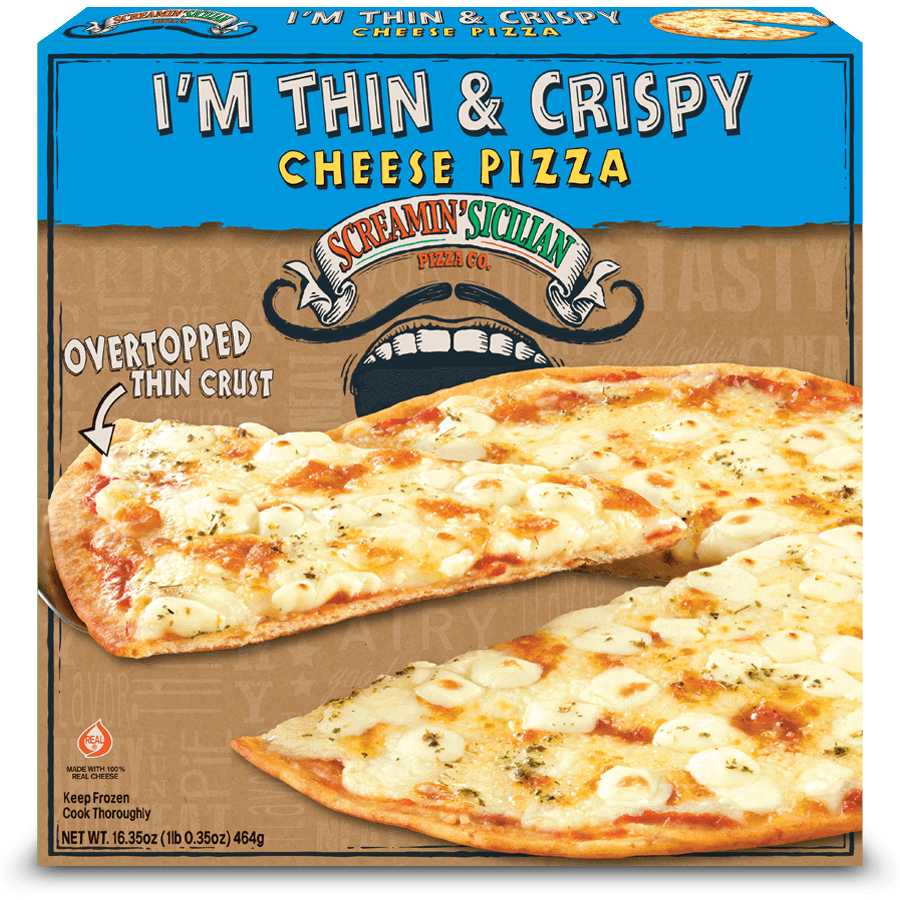

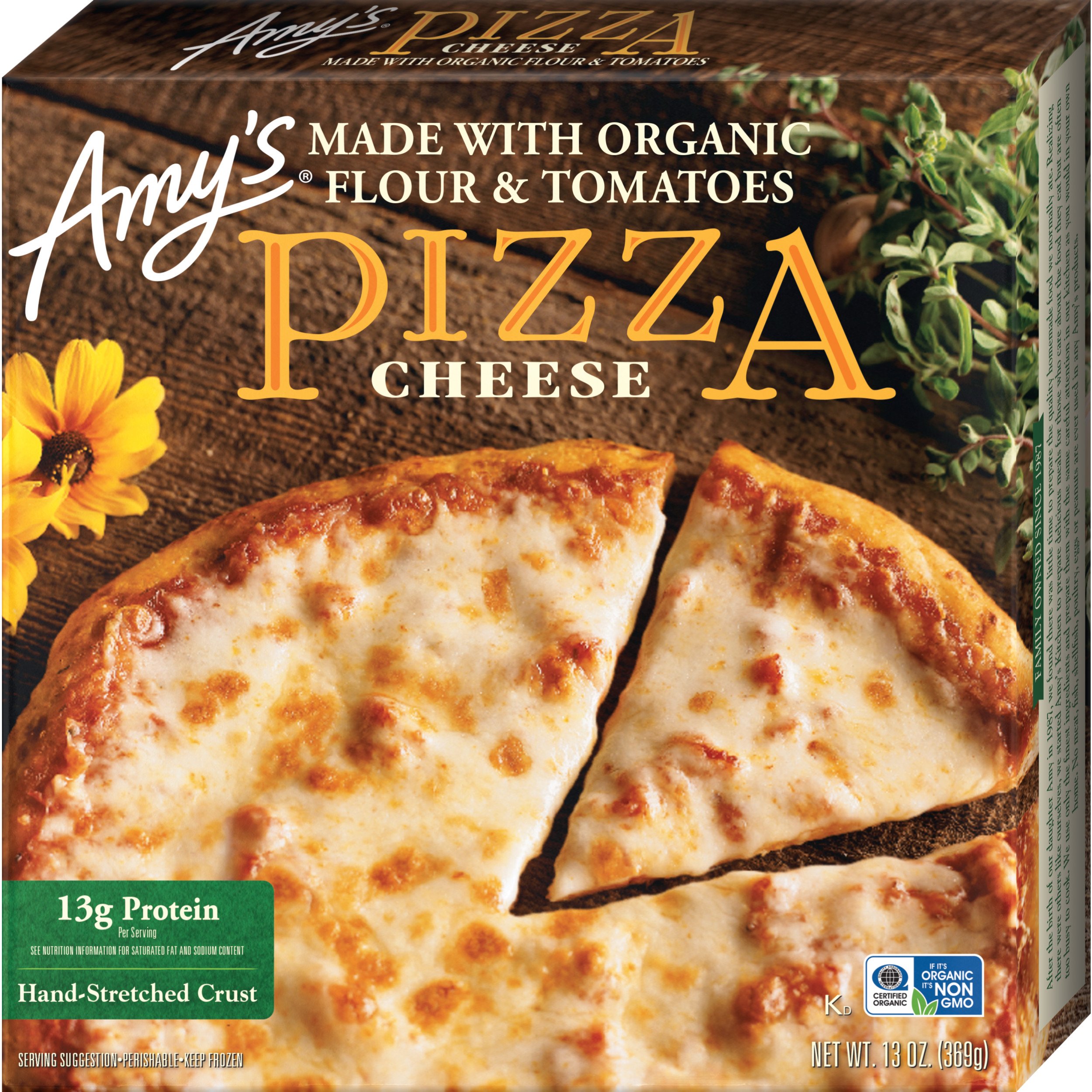


Buddy's Pizza Cheese Pizza
Analysis updated August 2026 · How Scout scores
At a glance
Summary
This cheese pizza contains a variety of cheeses that provide protein and calcium, contributing positively to its nutritional profile. However, the presence of vegetable oil, which may include seed oils, introduces a concern due to its potential inflammatory effects. Additionally, the product is processed, which limits its score despite the use of some high-quality ingredients.
Key ingredients 16
Olive OilVery Good
Olive oil is a high-quality monounsaturated fat with anti-inflammatory properties. It contains antioxidants that support heart health. Cold-pressed extraction preserves beneficial compounds.
Benefits
Rich in monounsaturated fats that support heart health and provide anti-inflammatory properties.
Shredded Mozzarella CheeseGood
Mozzarella cheese is a good source of protein and calcium. It is commonly used in pizza for its melting properties. Made from cow's milk, it provides essential nutrients like calcium and phosphorus.
Risks
High in saturated fat and sodium, which can be a concern if consumed in excess.
Benefits
Rich in calcium, supporting bone health, and provides a good source of protein.
Brie CheeseGood
Brie cheese is a soft cheese with a creamy texture and rich flavor. It is a source of protein and calcium. Made from cow's milk, it contains beneficial bacteria from the fermentation process.
Risks
Contains saturated fat and sodium, which should be moderated in the diet.
Benefits
Provides calcium and protein, and the fermentation process may support gut health.
Gruyere CheeseGood
Gruyere cheese is a hard cheese known for its nutty flavor. It is rich in protein and calcium. Made from cow's milk, it is aged to develop its characteristic taste.
Risks
High in saturated fat and sodium, which can impact heart health if overconsumed.
Benefits
Excellent source of calcium and protein, supporting bone health and muscle function.
Asiago CheeseGood
Asiago cheese is a semi-hard cheese with a sharp flavor. It is high in protein and calcium. Made from cow's milk, it is aged to enhance its flavor profile.
Risks
Contains saturated fat and sodium, which should be consumed in moderation.
Benefits
Provides essential nutrients like calcium and protein, beneficial for bone and muscle health.
Ricotta CheeseGood
Ricotta cheese is a soft cheese with a mild flavor and creamy texture. It is lower in fat compared to other cheeses. Made from whey, it is a good source of protein and calcium.
Risks
Contains lactose, which may be an issue for those with lactose intolerance.
Benefits
Rich in protein and calcium, supporting bone health and muscle maintenance.
EggsGood
Eggs are a high-quality source of protein and contain essential vitamins and minerals. They provide nutrients like vitamin B12, selenium, and choline. Eggs are versatile and can be used in various culinary applications.
Risks
May cause allergic reactions in some individuals and contain cholesterol.
Benefits
Rich in high-quality protein and essential nutrients, supporting overall health.
Garlic PowderGood
Garlic powder is made from dehydrated garlic and retains many of its health benefits. It contains compounds like allicin, which may support heart health. Used as a seasoning, it adds flavor without additional calories.
Benefits
May support heart health and has antimicrobial properties.
Parmesan CheeseGood
Parmesan cheese is a hard, aged cheese with a strong flavor. It is high in protein and calcium. Made from cow's milk, it is aged to develop its distinct taste and texture.
Risks
High in sodium and saturated fat, which should be consumed in moderation.
Benefits
Rich in calcium and protein, supporting bone health and muscle function.
Artisan Pizza DoughNeutral
Artisan pizza dough is typically made with simple ingredients like flour, water, yeast, and salt. It is a basic component of pizza and provides carbohydrates. The quality depends on the flour used and the fermentation process.
Risks
May contain gluten, which can be a concern for individuals with celiac disease or gluten sensitivity.
Benefits
Provides a source of carbohydrates for energy. Traditional fermentation methods can enhance flavor and digestibility.
All-purpose FlourNeutral
All-purpose flour is a refined flour commonly used in baking. It provides structure and texture to baked goods. It lacks the fiber and nutrients found in whole grain flours.
Risks
Contains gluten, which can be problematic for those with gluten intolerance or celiac disease.
Benefits
Offers versatility in baking and cooking, providing a base for many recipes.
Semolina FlourNeutral
Semolina flour is made from durum wheat and is often used in pasta and bread. It has a higher protein content than all-purpose flour. It contributes to the texture and flavor of baked goods.
Risks
Contains gluten, which may cause issues for those with gluten-related disorders.
Benefits
Higher protein content can aid in the development of gluten structure in baking.
Basic Pizza SauceNeutral
Basic pizza sauce is typically made from tomatoes, herbs, and spices. It adds flavor and moisture to pizza. The nutritional value depends on the ingredients used, particularly the quality of tomatoes.
Risks
May contain added sugars or preservatives depending on the preparation.
Benefits
Tomatoes are a source of vitamins A and C and contain antioxidants like lycopene.
Cream CheeseNeutral
Cream cheese is a soft cheese with a smooth texture and mild taste. It is high in fat and calories. Made from milk and cream, it is often used as a spread or in cooking.
Risks
High in saturated fat and calories, which can contribute to weight gain if consumed excessively.
Benefits
Provides a creamy texture and flavor to dishes, and contains some calcium and protein.
PepperNeutral
Pepper is a common spice used to enhance flavor in dishes. It contains piperine, which may have antioxidant properties. Used in small amounts, it adds depth to culinary creations.
Benefits
May have antioxidant properties and enhances the flavor of foods.
Vegetable OilBad
Vegetable oil is often a blend of various oils, including seed oils, which are high in omega-6 fatty acids. These oils can promote inflammation when consumed in excess. The refining process may strip beneficial nutrients.
Risks
High omega-6 content may promote inflammation and negatively impact heart health.
Benefits
Provides a source of fat for cooking, but lacks significant nutritional benefits.
Processing
Processed Foods
Get the full breakdown in the Scout appTake Scout shopping
Scan any product to see lab results, healthy alternatives, and your personalized analysis.
Download on theApp Store GET IT ONGoogle PlayAmazon pricing & content
Amazon price as of . Product prices and availability are accurate as of the date/time indicated and are subject to change. Any price and availability information displayed on Amazon.com at the time of purchase will apply to the purchase of this product.
CERTAIN CONTENT THAT APPEARS ON THIS SITE COMES FROM AMAZON. THIS CONTENT IS PROVIDED “AS IS” AND IS SUBJECT TO CHANGE OR REMOVAL AT ANY TIME.