


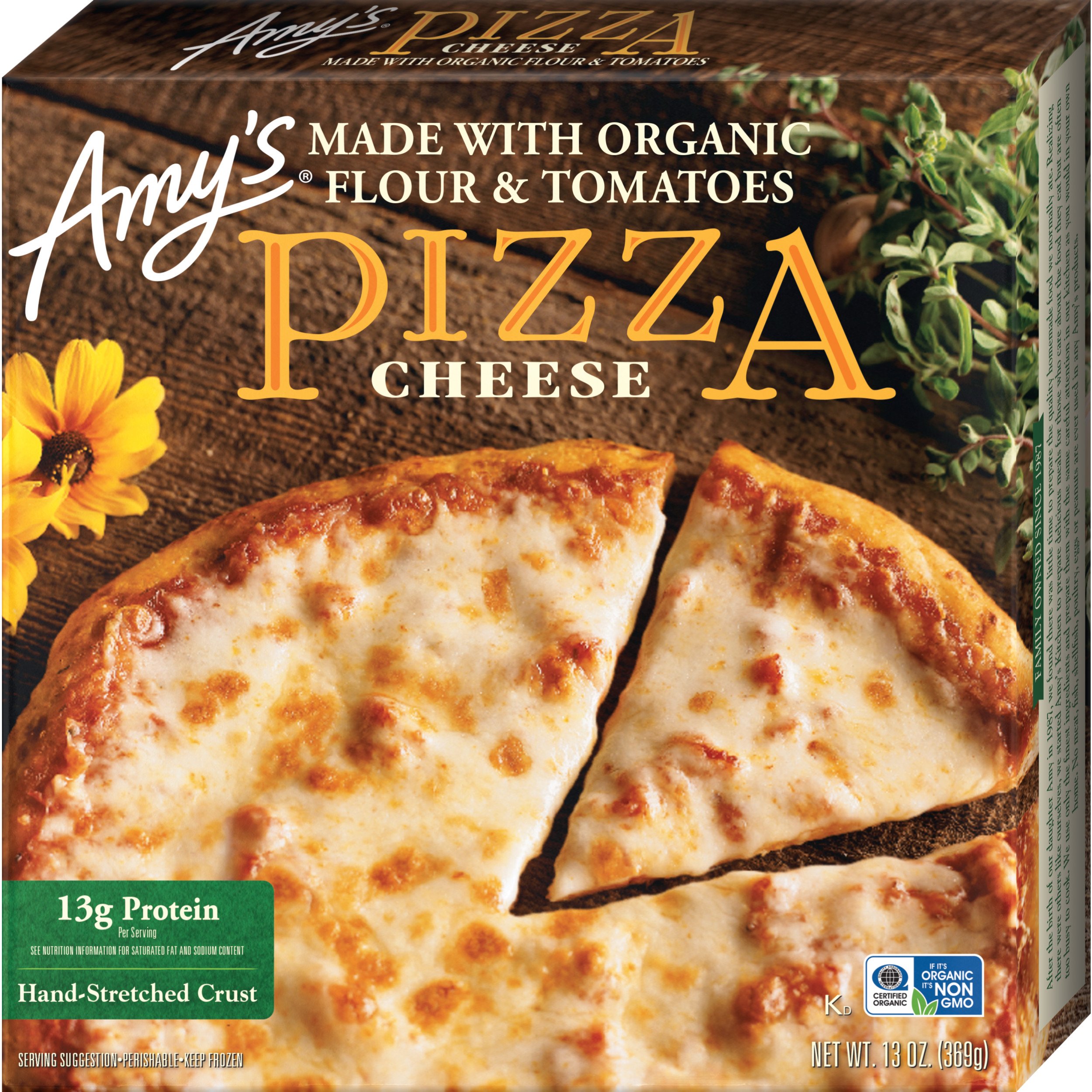


Sprouts Farmers Market Cheese Pizza
Sprouts Farmers MarketAnalysis updated August 2026 · How Scout scores
At a glance
Summary
This cheese pizza contains beneficial ingredients like mozzarella cheese and tomato sauce, which provide protein, calcium, and antioxidants. However, the use of sunflower oil, a refined seed oil high in omega-6 fatty acids, is a significant concern due to its potential to promote inflammation. The product is moderately processed, which limits its score despite the presence of some nutritious components.
Key ingredients 10
Low-moisture part-skim mozzarella cheeseGood
This cheese is a good source of protein and calcium, essential for bone health. It is made from pasteurized milk, which reduces the risk of harmful bacteria. The part-skim variety has less fat than whole milk cheese, making it a healthier option.
Risks
Contains lactose, which can be problematic for those with lactose intolerance.
Benefits
Rich in protein and calcium, supporting muscle and bone health.
Tomato sauceGood
Tomato sauce is rich in vitamins A and C, and contains lycopene, an antioxidant that may reduce the risk of certain diseases. The inclusion of dried herbs like basil and oregano adds flavor and additional antioxidants. The sauce is minimally processed, retaining most of its nutritional benefits.
Benefits
Provides antioxidants and vitamins that support overall health and may reduce inflammation.
Hard grating cheeseGood
Hard grating cheese is a concentrated source of protein and calcium. It is made from pasteurized milk, ensuring safety from harmful bacteria. The aging process enhances flavor and reduces lactose content, making it easier to digest for some individuals.
Risks
Contains lactose and high sodium levels, which may be a concern for some individuals.
Benefits
Provides protein and calcium, supporting bone health and muscle function.
ParsleyGood
Parsley is a fresh herb rich in vitamins A, C, and K, and provides antioxidants. It adds flavor and color to dishes without adding calories. Its natural compounds may support immune function and reduce inflammation.
Benefits
Rich in vitamins and antioxidants, supporting immune health and reducing inflammation.
OrganicGood
Organic certification indicates that the ingredients are grown without synthetic pesticides or fertilizers. This can reduce exposure to harmful chemicals and support environmental sustainability. Organic products often have higher nutrient content due to better soil health.
Benefits
Supports environmental sustainability and may offer higher nutrient content.
WaterNeutral
Water is a basic ingredient used to hydrate and mix other components. It is essential for life and has no calories or nutrients. In this context, it serves as a neutral medium for other ingredients.
Benefits
Essential for hydration and supports bodily functions.
SaltNeutral
Salt is used to enhance flavor and preserve food. It is a source of sodium, which is essential for nerve and muscle function. Excessive consumption can lead to high blood pressure and other health issues.
Risks
Excessive intake can lead to high blood pressure and cardiovascular issues.
Benefits
Essential for maintaining fluid balance and nerve function.
YeastNeutral
Baker's/nutritional yeast in standard use — benign.
Benefits
Provides B vitamins and enhances the texture and flavor of baked goods.
Wheat flourBad
Refined grain flour stripped of bran and germ.
Risks
May cause blood sugar spikes and is a common allergen for those with gluten sensitivity or celiac disease.
Benefits
Provides energy and is a source of carbohydrates necessary for bodily functions.
Sunflower oilVery Bad
Sunflower oil is a seed oil high in omega-6 fatty acids, which can promote inflammation if consumed in excess. It is often extracted using high heat and chemicals, which can degrade its nutritional quality. Alternatives like olive oil offer healthier fat profiles.
Risks
High omega-6 content may promote inflammation when consumed in excess.
Processing
Processed Foods
Get the full breakdown in the Scout appTake Scout shopping
Scan any product to see lab results, healthy alternatives, and your personalized analysis.
Download on theApp Store GET IT ONGoogle Play