



At a glance
Summary
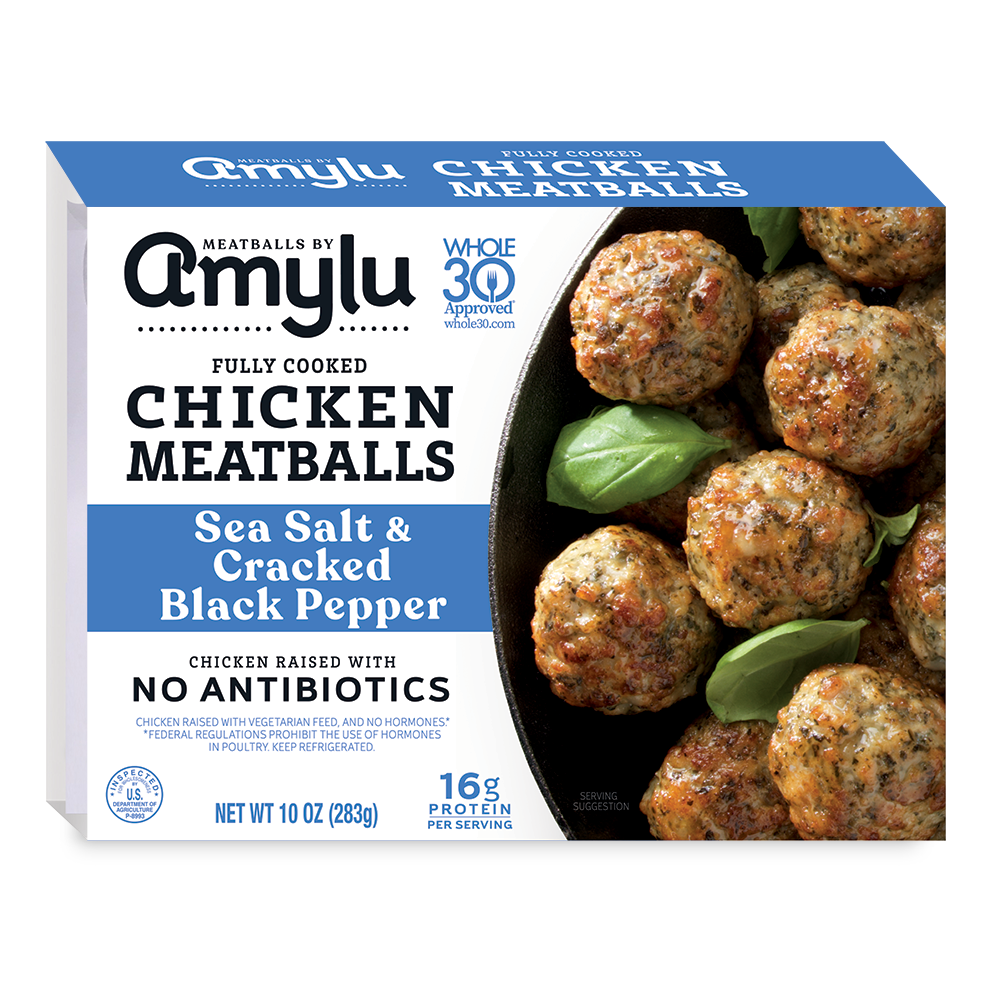
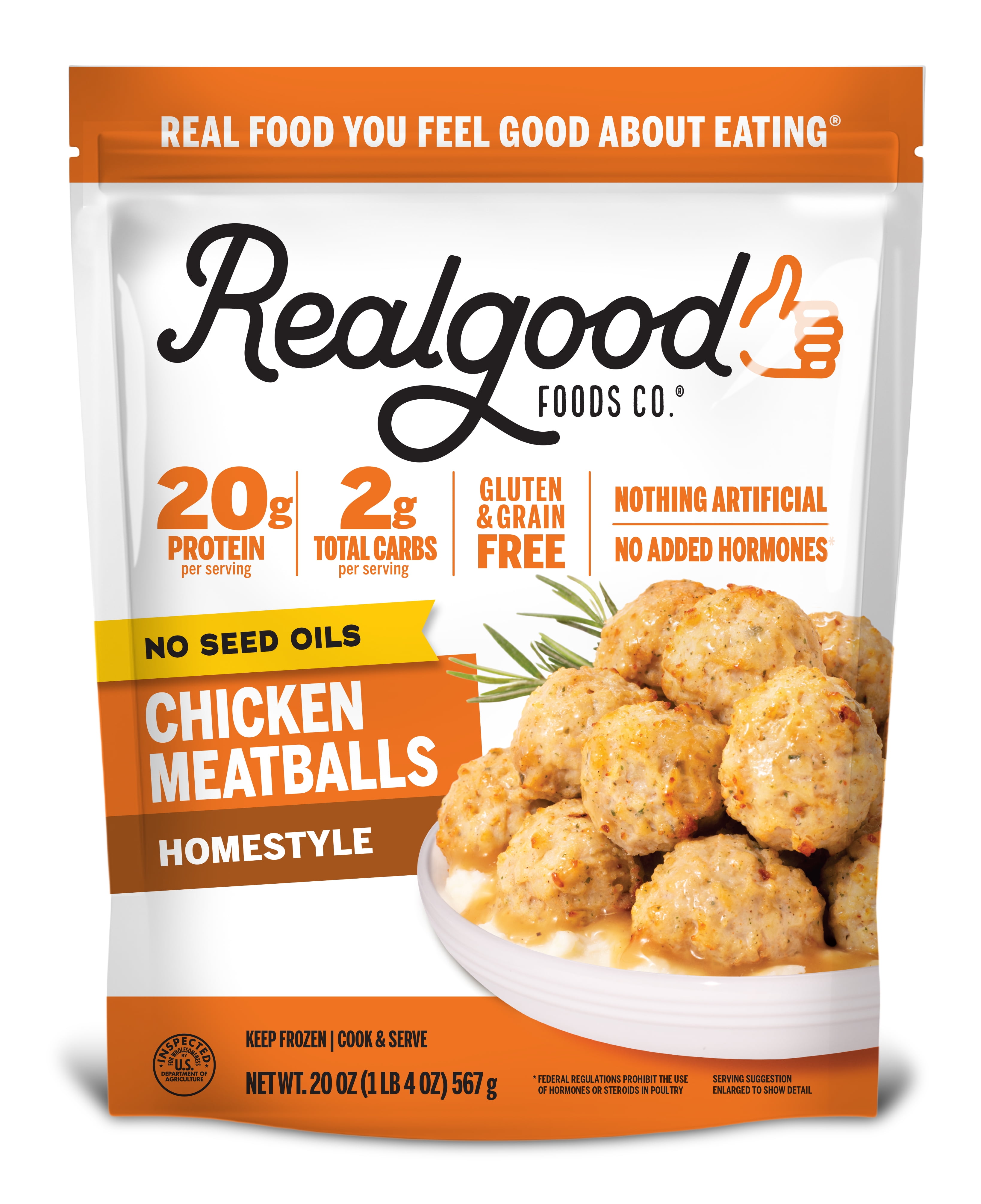
The cheese stuffed chicken meatballs contain a variety of cheeses and meats, providing a good source of protein and essential nutrients. However, the presence of breadcrumbs and the overall processing level limit the score. While the ingredients are generally wholesome, the product's processed nature and inclusion of citric acid as an additive slightly detract from its overall healthiness.
Key ingredients 23
EggVery Good
Eggs are a complete protein source and contain essential nutrients like choline and vitamin D. They are versatile and can be used in various culinary applications. Eggs from pasture-raised hens offer higher omega-3 content.
Risks
Some individuals may have allergies to eggs.
Benefits
Rich in high-quality protein and essential nutrients, supporting overall health.
Olive oilVery Good
Olive oil is a high-quality monounsaturated fat with anti-inflammatory properties. It contains antioxidants that support heart health. Cold-pressed extraction preserves beneficial compounds.
Benefits
Rich in monounsaturated fats that support heart health and provide anti-inflammatory properties.
Ground beefGood
Ground beef is a rich source of high-quality protein and essential nutrients like iron and B vitamins. The quality of the beef can vary based on the source, with grass-fed options providing more omega-3 fatty acids. It is a versatile ingredient used in many dishes.
Risks
Excessive consumption of red meat may be linked to certain health risks, including heart disease.
Benefits
Provides essential amino acids and nutrients necessary for muscle growth and maintenance.
Parmesan cheeseGood
Parmesan cheese is a hard cheese rich in calcium and protein. It is aged, which enhances its flavor and digestibility. Contains beneficial probiotics from the fermentation process.
Risks
High in sodium and saturated fat, which should be consumed in moderation.
Benefits
Provides calcium and protein, supporting bone health and muscle function.
Diced onionGood
Onions are low in calories and rich in antioxidants and vitamin C. They add flavor and nutrients to dishes. Onions have anti-inflammatory properties and may support heart health.
Benefits
Rich in antioxidants and vitamin C, supporting immune function and reducing inflammation.
GarlicGood
Garlic is known for its potent antioxidant and anti-inflammatory properties. It contains allicin, which may support cardiovascular health. Garlic is used both for flavor and its health benefits.
Benefits
Supports heart health and has anti-inflammatory properties.
Mozzarella cheeseGood
Mozzarella cheese is a good source of calcium and protein. It is lower in sodium and fat compared to other cheeses. Fresh mozzarella offers a mild flavor and creamy texture.
Risks
Contains lactose, which may be an issue for those with lactose intolerance.
Benefits
Provides calcium and protein, supporting bone health and muscle function.
Ricotta cheeseGood
Ricotta cheese is rich in protein and calcium, with a creamy texture. It is made from whey, which is a byproduct of cheese production. Offers a mild flavor and is versatile in cooking.
Risks
Contains lactose, which may be an issue for those with lactose intolerance.
Benefits
Rich in protein and calcium, supporting bone health and muscle function.
Asiago cheeseGood
Asiago cheese is a flavorful cheese rich in calcium and protein. It is aged, which enhances its flavor and digestibility. Contains beneficial probiotics from the fermentation process.
Risks
High in sodium and saturated fat, which should be consumed in moderation.
Benefits
Provides calcium and protein, supporting bone health and muscle function.
Pecorino romano cheeseGood
Pecorino romano is a hard, salty cheese made from sheep's milk, rich in calcium and protein. It is aged, which enhances its flavor and digestibility. Contains beneficial probiotics from the fermentation process.
Risks
High in sodium and saturated fat, which should be consumed in moderation.
Benefits
Provides calcium and protein, supporting bone health and muscle function.
TomatoesGood
Tomatoes are rich in vitamins A and C and contain the antioxidant lycopene. They are low in calories and add flavor and nutrients to dishes. Lycopene may support heart health and reduce cancer risk.
Benefits
Rich in antioxidants and vitamins, supporting overall health and reducing inflammation.
Tomato pasteGood
Tomato paste is concentrated tomatoes, providing a rich source of lycopene and vitamins. It enhances flavor and color in dishes. Lycopene is a powerful antioxidant that may support heart health.
Benefits
Rich in lycopene and vitamins, supporting heart health and reducing inflammation.
Black pepperGood
Black pepper is a spice that adds flavor and contains piperine, which may enhance nutrient absorption. It has antioxidant properties and is used in various cuisines. Piperine may also have anti-inflammatory effects.
Benefits
Enhances flavor and nutrient absorption, with antioxidant properties.
BasilGood
Basil is an herb rich in antioxidants and essential oils that may support health. It adds flavor and aroma to dishes. Basil has anti-inflammatory properties and may support immune function.
Benefits
Rich in antioxidants and essential oils, supporting health and enhancing flavor.
MilkGood
Milk is a rich source of calcium, vitamin D, and protein. It supports bone health and muscle function. Milk from grass-fed cows may offer higher omega-3 content.
Risks
Contains lactose, which may be an issue for those with lactose intolerance.
Benefits
Provides essential nutrients like calcium and vitamin D, supporting bone health.
Italian sausageNeutral
Italian sausage adds flavor and protein to dishes but can be high in saturated fat and sodium. The quality depends on the meat source and seasoning used. It is often used in moderation to enhance taste.
Risks
High sodium and saturated fat content may contribute to cardiovascular issues if consumed in excess.
Benefits
Adds flavor and protein to meals, enhancing the overall taste profile.
BreadcrumbsNeutral
Breadcrumbs are used as a binding agent in recipes but offer limited nutritional value. They are typically made from refined wheat flour. Whole grain options can provide more fiber and nutrients.
Risks
May contain gluten, which can be problematic for those with celiac disease or gluten sensitivity.
Benefits
Provides texture and helps bind ingredients in recipes.
Half & halfNeutral
Half & half is a dairy product that adds creaminess to dishes but is high in saturated fat. It is a blend of milk and cream. Provides a rich texture to recipes.
Risks
High in saturated fat, which can impact heart health if consumed in large amounts.
Benefits
Adds creaminess and richness to dishes, enhancing flavor.
Italian style sauceNeutral
Italian style sauce typically contains tomatoes, herbs, and spices, providing flavor and some nutrients. The nutritional value depends on the specific ingredients used. It is a common base for many dishes.
Risks
May contain added sugars or sodium, which can be a concern if consumed in large amounts.
Benefits
Adds flavor and some nutrients, such as lycopene from tomatoes.
SaltNeutral
Salt is used to enhance flavor but provides no nutritional benefits. It is essential for maintaining fluid balance in the body. Excessive intake can lead to hypertension.
Risks
High sodium intake can contribute to hypertension and cardiovascular issues.
Benefits
Essential for maintaining fluid balance and nerve function.
Citric acidNeutral
Citric acid is a natural preservative and flavor enhancer found in citrus fruits. It is commonly used in food processing to maintain freshness. Generally recognized as safe when used in food products.
Benefits
Helps preserve food and enhance flavor without significant health concerns.
Bay leafNeutral
Bay leaf is used to add flavor to dishes but is not typically consumed directly. It is removed before serving. Provides aromatic compounds that enhance the taste of food.
Benefits
Adds flavor and aroma to dishes without significant nutritional impact.
WheatNeutral
Wheat is a staple grain providing carbohydrates and some protein. Whole wheat offers more fiber and nutrients compared to refined wheat. It is a common ingredient in many foods.
Risks
Contains gluten, which can be problematic for those with celiac disease or gluten sensitivity.
Benefits
Provides carbohydrates and some protein, offering energy and nutrients.
Processing
Processed Foods
Get the full breakdown in the Scout appTake Scout shopping
Scan any product to see lab results, healthy alternatives, and your personalized analysis.
Download on theApp Store GET IT ONGoogle Play