


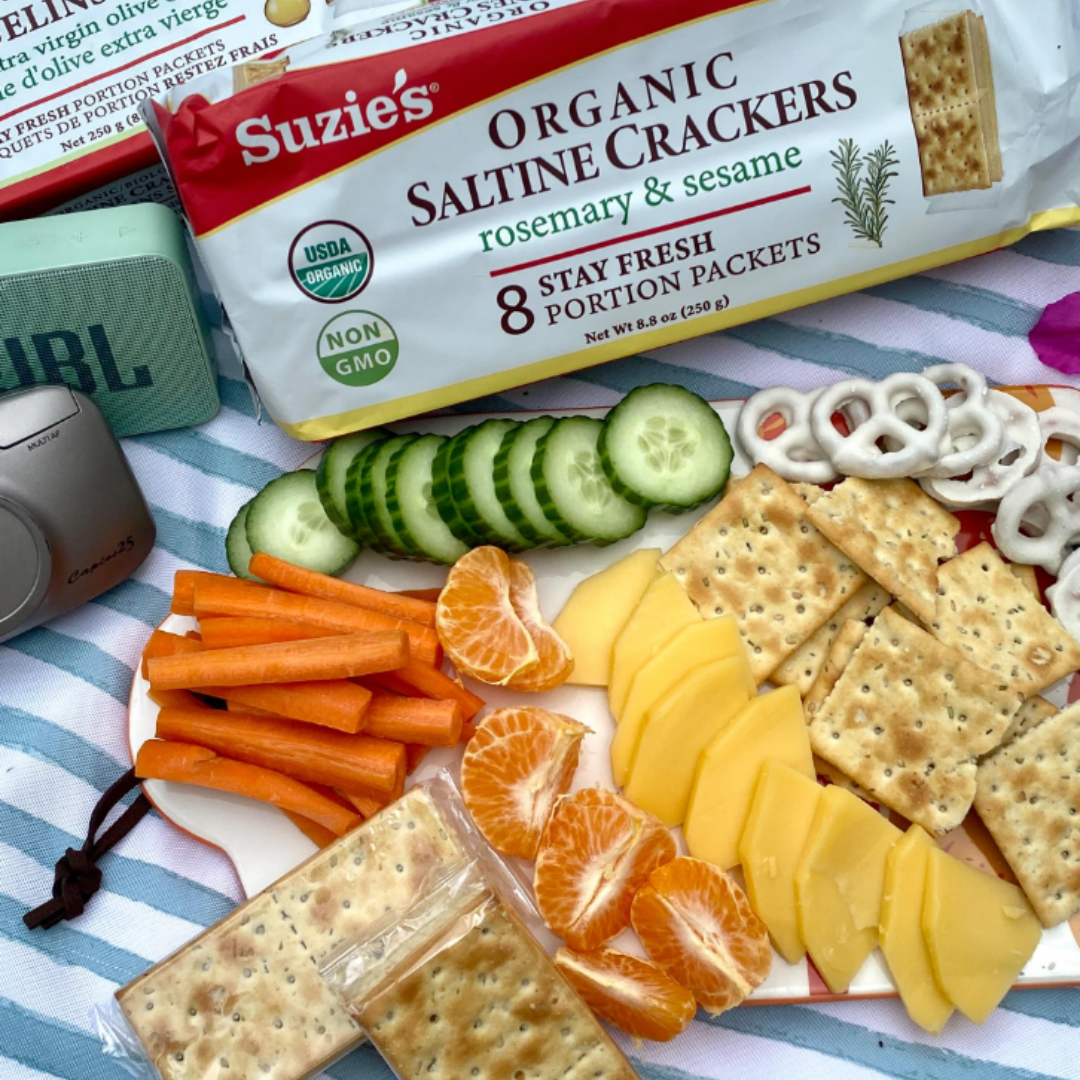


Stiratini Crackers With Sesame
Analysis updated May 2026 · How Scout scores
At a glance
Summary
This product contains a mix of beneficial and less desirable ingredients. While sesame seeds provide nutritional benefits, the use of palm oil, which is high in saturated fats and has environmental concerns, negatively impacts the score. The product is moderately processed, and the presence of additives like sodium carbonate further influences its rating.
Key ingredients 8
Sesame seedsGood
Sesame seeds are a nutrient-dense ingredient rich in healthy fats, protein, and minerals. They contain lignans and phytosterols that may support heart health. The seeds are minimally processed, retaining their nutritional benefits.
Risks
May cause allergic reactions in susceptible individuals.
Benefits
Rich in healthy fats, protein, and minerals such as calcium and magnesium, supporting bone and heart health.
SaltNeutral
Salt is used to enhance flavor and preserve food. While essential in small amounts, excessive consumption can lead to health issues. The product contains a moderate amount of salt, aligning with typical dietary guidelines.
Risks
Excessive intake may lead to high blood pressure and cardiovascular issues.
Benefits
Essential for maintaining fluid balance and nerve function in the body.
Sodium CarbonateNeutral
Used as acidity regulator. Sodium carbonate is used to regulate acidity and improve texture in baked goods. It is generally recognized as safe when used in food processing. The compound is a common food additive with no significant health concerns at typical consumption levels.
Benefits
Helps maintain the desired pH level in food products, improving texture and stability.
Sourdough (wheat and barley)Neutral
Sourdough is a fermented dough that can enhance flavor and digestibility. The fermentation process may improve nutrient absorption and reduce gluten content. However, the presence of wheat and barley may still pose issues for those with gluten sensitivities.
Risks
Contains gluten, which may cause issues for individuals with celiac disease or gluten intolerance.
Benefits
Fermentation may improve nutrient absorption and gut health.
Malted barley flourNeutral
Malted barley flour is used to enhance flavor and color in baked goods. It contains enzymes that can aid in the breakdown of starches. The flour is minimally processed, retaining some nutritional benefits.
Risks
Contains gluten, which may cause issues for individuals with celiac disease or gluten intolerance.
Benefits
Provides enzymes that can aid in the digestion of starches.
Brewer's yeastNeutral
Brewer's yeast is a byproduct of beer production, rich in B vitamins and protein. It is used to enhance flavor and nutritional content in foods. The yeast is inactive, making it safe for consumption without fermentation concerns.
Risks
May cause digestive discomfort in some individuals if consumed in large amounts.
Benefits
Rich in B vitamins and protein, supporting energy metabolism and overall health.
Wheat flourBad
Refined grain flour stripped of bran and germ.
Risks
May cause allergic reactions in individuals with gluten intolerance or celiac disease.
Benefits
Provides a source of energy through carbohydrates and contains some protein.
Palm oilBad
Palm oil is a widely used vegetable oil that is high in saturated fats. Its production is associated with environmental concerns such as deforestation. Although it is stable at high temperatures, its high saturated fat content may impact heart health negatively.
Risks
High saturated fat content may contribute to increased cholesterol levels and heart disease risk.
Benefits
Provides a stable cooking oil that is resistant to oxidation at high temperatures.
Processing
Processed Foods
Get the full breakdown in the Scout appTake Scout shopping
Scan any product to see lab results, healthy alternatives, and your personalized analysis.
Download on theApp Store GET IT ONGoogle PlayAmazon pricing & content
Amazon price as of . Product prices and availability are accurate as of the date/time indicated and are subject to change. Any price and availability information displayed on Amazon.com at the time of purchase will apply to the purchase of this product.
CERTAIN CONTENT THAT APPEARS ON THIS SITE COMES FROM AMAZON. THIS CONTENT IS PROVIDED “AS IS” AND IS SUBJECT TO CHANGE OR REMOVAL AT ANY TIME.