
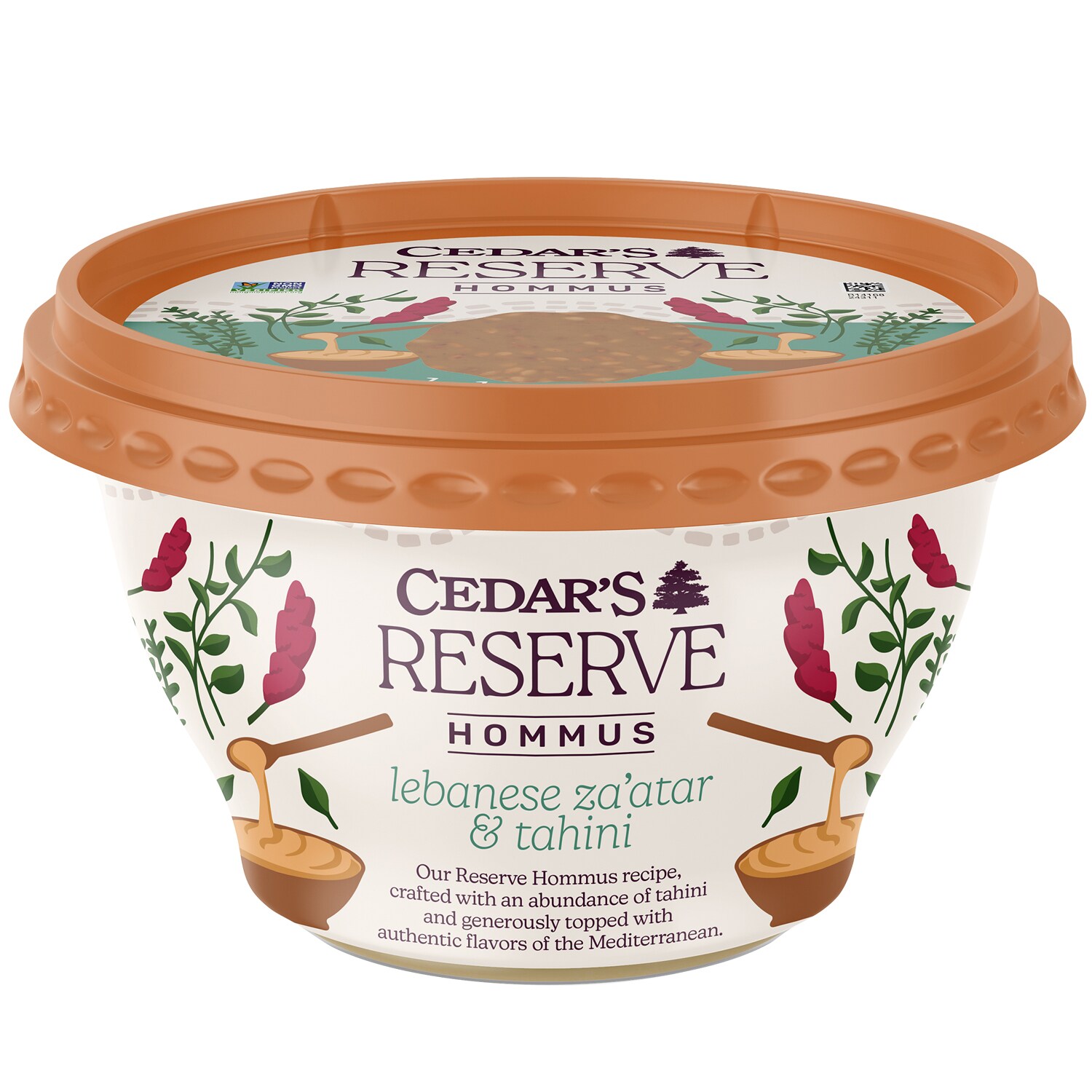
Traditional Hommus
Summary
This traditional hommus contains beneficial ingredients like chickpeas, tahini paste, and garlic, which provide protein, healthy fats, and essential nutrients. However, the presence of canola oil, a seed oil high in omega-6 fatty acids, and multiple additives such as preservatives and acidity regulators, contribute to its processed nature. These factors, along with the moderate processing level, limit its overall healthiness despite the presence of some nutritious components.
At a glance
Key ingredients 9
ChickpeaGood
Chickpeas are a rich source of plant-based protein and fiber, supporting digestive health and satiety. They contain essential vitamins and minerals such as folate, iron, and phosphorus. As a whole food, they provide a balanced nutrient profile with minimal processing.
Benefits
High in protein and fiber, chickpeas support digestive health and help maintain stable blood sugar levels.
Canola OilVery Bad
Canola oil is a seed oil high in omega-6 fatty acids, which can promote inflammation when consumed in excess. It is often extracted using high heat and chemical solvents, which may degrade its nutritional quality. Compared to healthier oils like olive or avocado, canola oil is less beneficial.
Risks
High omega-6 content may promote inflammation when consumed in excess.
Tahini PasteGood
Tahini paste, made from sesame seeds, is rich in healthy fats, vitamins, and minerals. It provides a good source of calcium, magnesium, and iron, supporting bone health and metabolic functions. The paste is minimally processed, retaining most of its natural nutrients.
Risks
Potential allergen for individuals sensitive to sesame seeds.
Benefits
Rich in healthy fats and essential minerals, tahini supports heart health and bone strength.
Acidity Regulator (575)Neutral
Acidity regulator 575, also known as glucono delta-lactone, is used to maintain the pH balance in foods. It is generally recognized as safe and is used in small quantities. It does not significantly alter the nutritional profile of the product.
SaltNeutral
Salt is used to enhance flavor and preserve food. While essential in small amounts for bodily functions, excessive intake can lead to health issues such as hypertension. It is a common ingredient in processed foods.
Risks
Excessive consumption may lead to high blood pressure and cardiovascular issues.
Benefits
Essential for maintaining fluid balance and nerve function in the body.
Citric AcidNeutral
Citric acid is a natural preservative and flavor enhancer found in citrus fruits. It is widely used in the food industry to add acidity and preserve freshness. It is generally recognized as safe when used in moderation.
Benefits
Helps preserve food and enhance flavor without significant health concerns.
GarlicGood
Garlic is known for its potential health benefits, including antimicrobial and anti-inflammatory properties. It contains compounds like allicin, which may support cardiovascular health. As a natural ingredient, it adds flavor and nutritional value.
Risks
Potential allergen for some individuals.
Benefits
May support heart health and immune function due to its bioactive compounds.
Food Acid (Acetic Acid)Neutral
Acetic acid is commonly used as a preservative and flavoring agent in foods. It is the main component of vinegar and is generally recognized as safe. It does not significantly impact the nutritional value of the product.
Preservative (202)Bad
Preservative 202, also known as potassium sorbate, is used to inhibit mold and yeast growth in foods. While generally recognized as safe, some individuals may experience allergic reactions. It is a synthetic additive that does not contribute to nutritional value.
Risks
May cause allergic reactions in sensitive individuals.
Processing
Processed Foods
Get the full breakdown in the Scout app
Scan any product to see lab results, healthy alternatives, and your personalized analysis.
Download on theApp Store