
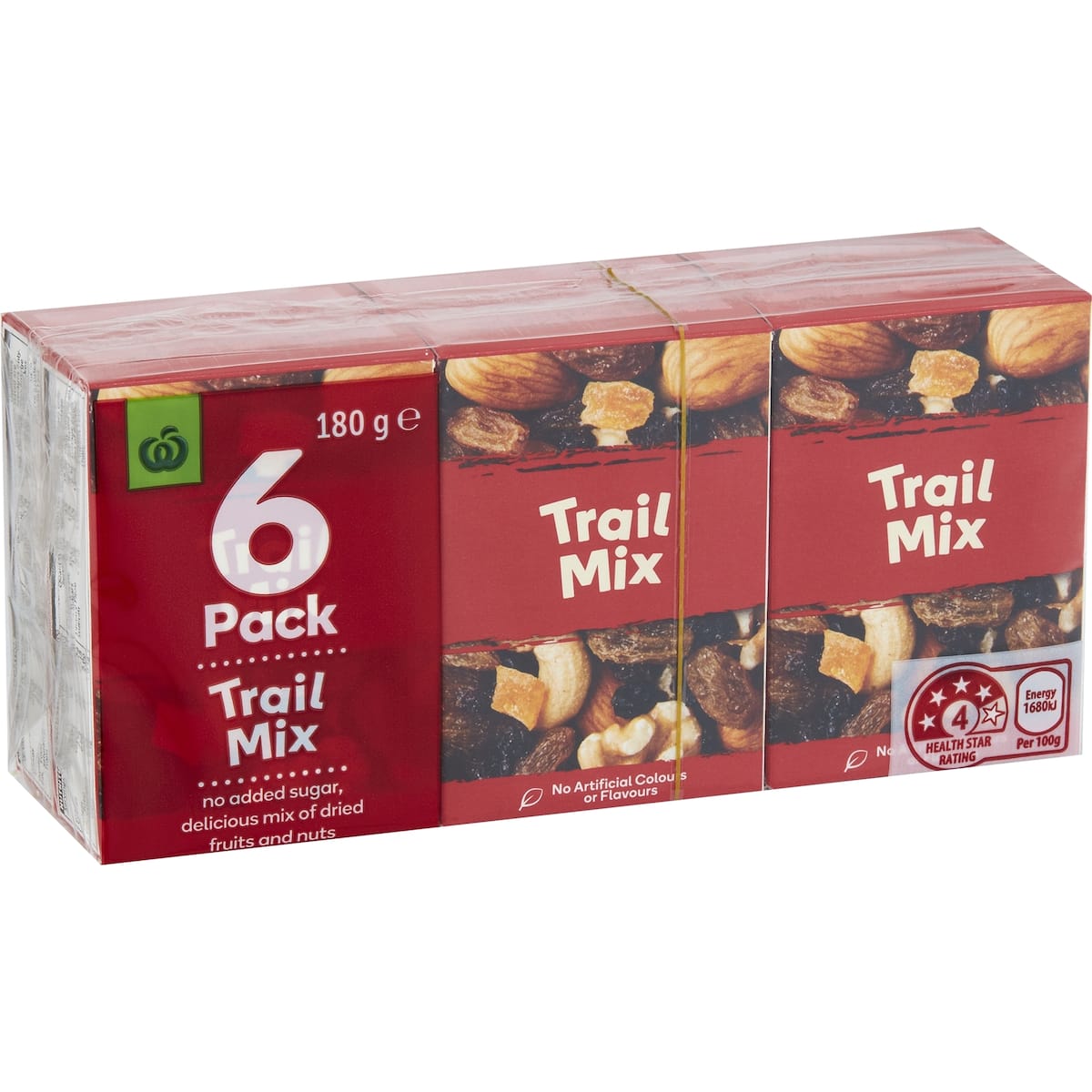

Woolworths Trail Mix with Fruit & Nuts
Analysis updated August 2026 · How Scout scores
At a glance
Summary
This trail mix contains a mix of beneficial ingredients like nuts and dried fruits, which provide healthy fats, fiber, and antioxidants. However, the presence of multiple seed oils such as sunflower, cottonseed, and canola oil, which are high in omega-6 fatty acids, significantly detracts from its nutritional quality. Additionally, the inclusion of refined sugar and preservatives further impacts the healthiness of the product, and its processing level limits its score potential.
Key ingredients 21
WalnutsVery Good
Walnuts are rich in omega-3 fatty acids, supporting heart and brain health. They provide antioxidants and essential nutrients. The fats in walnuts are primarily polyunsaturated, beneficial for cardiovascular health.
Risks
Potential allergen for individuals with nut allergies.
Benefits
Rich in omega-3 fatty acids and antioxidants, supporting heart and brain health.
ApricotGood
Apricots are rich in vitamins A and C, providing antioxidant benefits. They are a good source of dietary fiber, supporting digestive health. The natural sugars in apricots are balanced by their fiber content.
Benefits
Rich in antioxidants and fiber, supporting eye health and digestion.
RaisinsGood
Raisins are dried grapes that provide natural sugars and fiber. They are rich in antioxidants and iron, supporting overall health. The drying process concentrates their nutrients and sugars.
Risks
High sugar content can contribute to increased calorie intake and potential blood sugar spikes.
Benefits
Rich in antioxidants and iron, supporting heart health and energy levels.
DatesGood
Dates are a natural source of sugars, fiber, and essential minerals like potassium. They provide a quick energy boost and support digestive health. The natural sugars are balanced by their fiber content.
Risks
High sugar content can contribute to increased calorie intake.
Benefits
Rich in fiber and potassium, supporting heart health and digestion.
MangoGood
Mango is rich in vitamins A and C, providing antioxidant benefits. It is a good source of dietary fiber, supporting digestive health. The natural sugars in mango are balanced by its fiber content.
Benefits
Rich in antioxidants and fiber, supporting immune function and digestion.
CashewsGood
Cashews are a good source of healthy fats, protein, and essential minerals like magnesium. They support heart health and provide a creamy texture to foods. The fats in cashews are primarily monounsaturated, beneficial for heart health.
Risks
Potential allergen for individuals with nut allergies.
Benefits
Rich in healthy fats and minerals, supporting heart health and energy levels.
AlmondsGood
Almonds are rich in healthy fats, protein, and vitamin E, providing antioxidant benefits. They support heart health and provide a crunchy texture to foods. The monounsaturated fats in almonds are beneficial for cardiovascular health.
Risks
Potential allergen for individuals with nut allergies.
Benefits
Rich in healthy fats and vitamin E, supporting heart health and skin health.
Brazil NutsGood
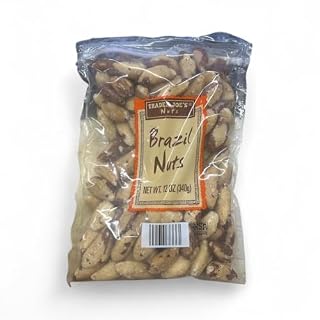
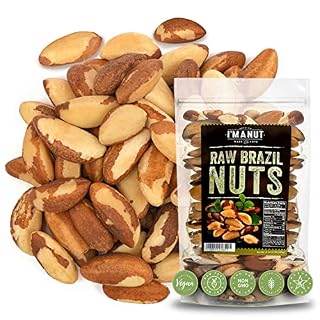
Brazil nuts are an excellent source of selenium, a mineral with antioxidant properties. They support thyroid function and immune health. The fats in Brazil nuts are primarily unsaturated, beneficial for heart health.
Risks
Potential allergen for individuals with nut allergies.
Benefits
Rich in selenium and healthy fats, supporting thyroid and heart health.
Coconut OilGood
Coconut oil is a source of medium-chain triglycerides (MCTs), which are easily metabolized for energy. It supports metabolic health and provides a unique flavor. The saturated fats in coconut oil are stable and less prone to oxidation.
Risks
High in saturated fats, which may affect cholesterol levels if consumed in excess.
Benefits
Rich in MCTs, supporting energy metabolism and providing a unique flavor.
HoneyGood
Traditional whole-food sweetener with trace enzymes and antioxidants.
Risks
High sugar content can contribute to increased calorie intake.
Benefits
Contains trace nutrients and has antimicrobial properties.
NutsGood
Nuts are a source of healthy fats, protein, and essential nutrients. They support heart health and provide a satisfying texture. The fats in nuts are primarily unsaturated, beneficial for cardiovascular health.
Risks
Potential allergen for individuals with nut allergies.
Benefits
Rich in healthy fats and nutrients, supporting heart health and energy levels.
SultanasGood
Sultanas are dried grapes that provide natural sugars and fiber. They are rich in antioxidants and iron, supporting overall health. The drying process concentrates their nutrients and sugars.
Risks
High sugar content can contribute to increased calorie intake and potential blood sugar spikes.
Benefits
Rich in antioxidants and iron, supporting heart health and energy levels.
Pumpkin SeedsGood
Pumpkin seeds are rich in healthy fats, protein, and essential minerals like magnesium and zinc. They support heart health and provide a crunchy texture. The fats in pumpkin seeds are primarily unsaturated, beneficial for cardiovascular health.
Benefits
Rich in healthy fats and minerals, supporting heart health and immune function.
Dried FruitNeutral
Dried fruit is a concentrated source of natural sugars and fiber. It retains most of the nutrients found in fresh fruit but can be high in sugar. The drying process may lead to some nutrient loss.
Risks
High sugar content can contribute to increased calorie intake and potential blood sugar spikes.
Benefits
Provides fiber and essential vitamins and minerals, supporting digestive health and nutrient intake.
Rice FlourNeutral
Rice flour is a gluten-free alternative to wheat flour, often used in processed foods. It is low in nutrients compared to whole grains. It provides a neutral taste and texture to products.
Risks
May contribute to a higher glycemic index, affecting blood sugar levels.
Benefits
Suitable for gluten-free diets and provides a source of carbohydrates.
PreservativeBad
Preservatives are added to extend shelf life and prevent spoilage. They can be synthetic and may have potential health concerns. Some preservatives are linked to allergic reactions and sensitivities.
Risks
Potential for allergic reactions and sensitivities in some individuals.
Benefits
Helps maintain product freshness and prevent spoilage.
SugarBad
Refined sugar is a source of empty calories with no essential nutrients. It can contribute to weight gain and blood sugar spikes. Excessive consumption is linked to various health issues.
Risks
Contributes to weight gain and blood sugar spikes when consumed in excess.
Sunflower OilVery Bad
Sunflower oil is a seed oil high in omega-6 fatty acids, which can promote inflammation. It is often refined, removing beneficial nutrients. The high omega-6 content can disrupt the omega-3 to omega-6 balance.
Risks
High omega-6 content may promote inflammation when consumed in excess.
Cottonseed OilVery Bad
Cottonseed oil is a seed oil high in omega-6 fatty acids and often heavily processed. It may contain pesticide residues due to its source. The refining process removes beneficial nutrients.
Risks
High omega-6 content may promote inflammation and potential pesticide residues.
Vegetable OilsVery Bad
Vegetable oils often include refined seed oils high in omega-6 fatty acids. They are heavily processed, removing beneficial nutrients. The high omega-6 content can disrupt the omega-3 to omega-6 balance.
Risks
High omega-6 content may promote inflammation when consumed in excess.
Canola OilVery Bad
Canola oil is a seed oil high in omega-6 fatty acids and often refined. It may contain trans fats due to processing. The high omega-6 content can promote inflammation.
Risks
High omega-6 content may promote inflammation and potential trans fats.
Processing
Processed Foods
Get the full breakdown in the Scout appTake Scout shopping
Scan any product to see lab results, healthy alternatives, and your personalized analysis.
Download on theApp Store GET IT ONGoogle Play