
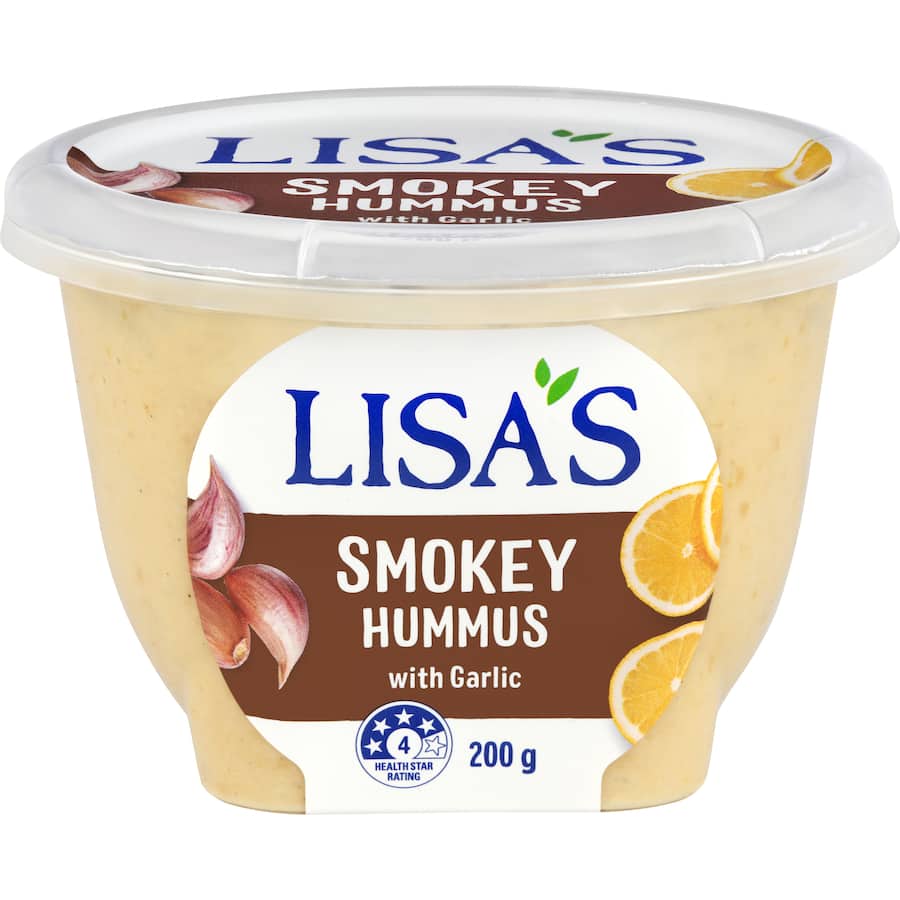


Lisa's Smokey hummus with garlic and tahini gluten free
Analysis updated August 2026 · How Scout scores
At a glance
Summary
This hummus contains beneficial ingredients like chickpeas, lemon, tahini, and garlic, which provide essential nutrients and healthy fats. However, the presence of vegetable oil, which is often highly processed and can promote inflammation, significantly impacts the healthiness of the product. Additionally, the use of preservatives and smoke flavoring indicates a higher level of processing, which further reduces the overall score.
Key ingredients 9
ChickpeasGood
Chickpeas are a good source of plant-based protein and fiber. They are minimally processed and provide essential nutrients like iron and folate. Their low glycemic index helps in maintaining stable blood sugar levels.
Benefits
Rich in protein and fiber, supporting digestive health and providing a feeling of fullness. Contains essential vitamins and minerals beneficial for overall health.
LemonGood
Lemon is a natural source of vitamin C and antioxidants. It is minimally processed and can enhance flavor without adding calories. The acidity of lemon juice can aid in digestion and nutrient absorption.
Benefits
Provides vitamin C and antioxidants that support immune function and skin health. Enhances flavor and aids in digestion.
TahiniGood
Tahini is made from ground sesame seeds and is rich in healthy fats and minerals. It is a good source of calcium, magnesium, and iron. The fats in tahini are primarily unsaturated, which are beneficial for heart health.
Risks
Potential allergen for individuals with sesame allergies.
Benefits
Rich in healthy fats and essential minerals, supporting bone health and cardiovascular function.
GarlicGood
Garlic is known for its potential health benefits, including antimicrobial and anti-inflammatory properties. It contains compounds like allicin that may support heart health. Fresh garlic is minimally processed and retains its beneficial compounds.
Risks
May cause digestive discomfort in some individuals when consumed in large amounts.
Benefits
Contains compounds that support heart health and have antimicrobial properties. May help reduce blood pressure and cholesterol levels.
SaltNeutral
Salt is used to enhance flavor and preserve food. It is a common ingredient in many processed foods. While necessary for bodily functions, excessive intake can lead to health issues.
Risks
Excessive consumption can lead to high blood pressure and other cardiovascular issues.
Benefits
Essential for maintaining fluid balance and nerve function in the body.
PepperNeutral
Pepper is used to enhance flavor and has minimal processing. It contains piperine, which may aid in nutrient absorption. The amount used in foods is typically small and not a significant source of nutrients.
Benefits
May enhance nutrient absorption and add flavor without adding calories.
Smoke FlavourNeutral
Smoke flavor is used to impart a smoky taste to foods. It is typically created through a process of capturing smoke from burning wood. While it adds flavor, it does not provide nutritional benefits.
Risks
Potential for containing polycyclic aromatic hydrocarbons (PAHs) if not properly processed.
Benefits
Adds a smoky flavor to foods without adding calories.
PreservativeBad
Preservatives are added to extend shelf life and prevent spoilage. They are often synthetic and can have potential health concerns. Some preservatives may cause allergic reactions or sensitivities in certain individuals.
Risks
Potential for allergic reactions or sensitivities. Long-term consumption of synthetic preservatives may have health implications.
Vegetable OilVery Bad
Vegetable oils often contain high levels of omega-6 fatty acids, which can promote inflammation. They are typically extracted using high heat and chemicals, which may degrade their nutritional quality. The processing methods can also introduce harmful trans fats.
Risks
High omega-6 content may promote inflammation when consumed in excess. Potential presence of trans fats due to processing methods.
Processing
Processed Foods
Get the full breakdown in the Scout appTake Scout shopping
Scan any product to see lab results, healthy alternatives, and your personalized analysis.
Download on theApp Store GET IT ONGoogle Play