
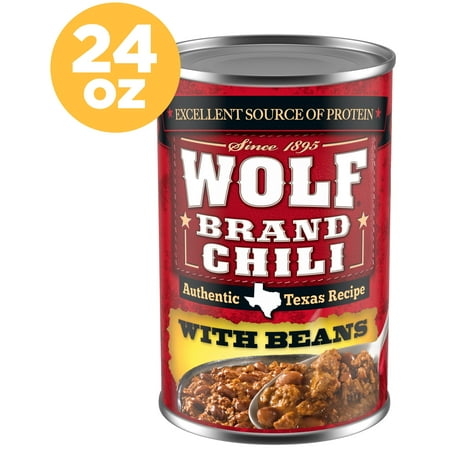
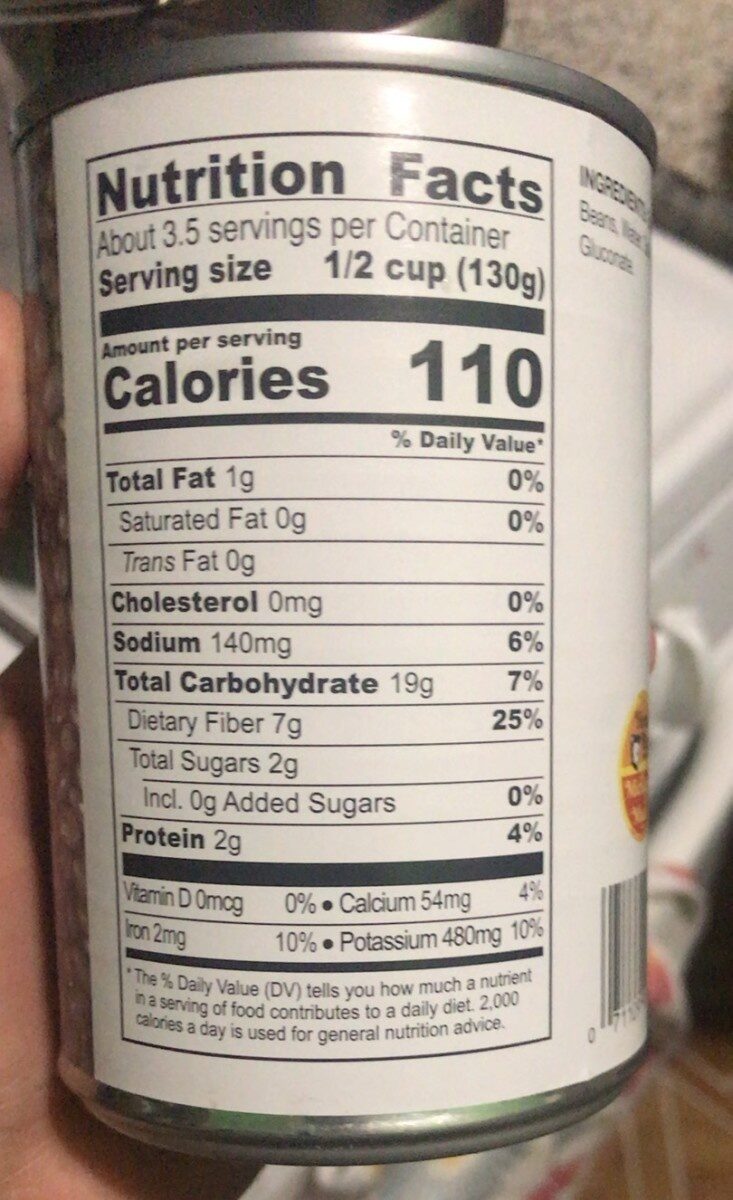
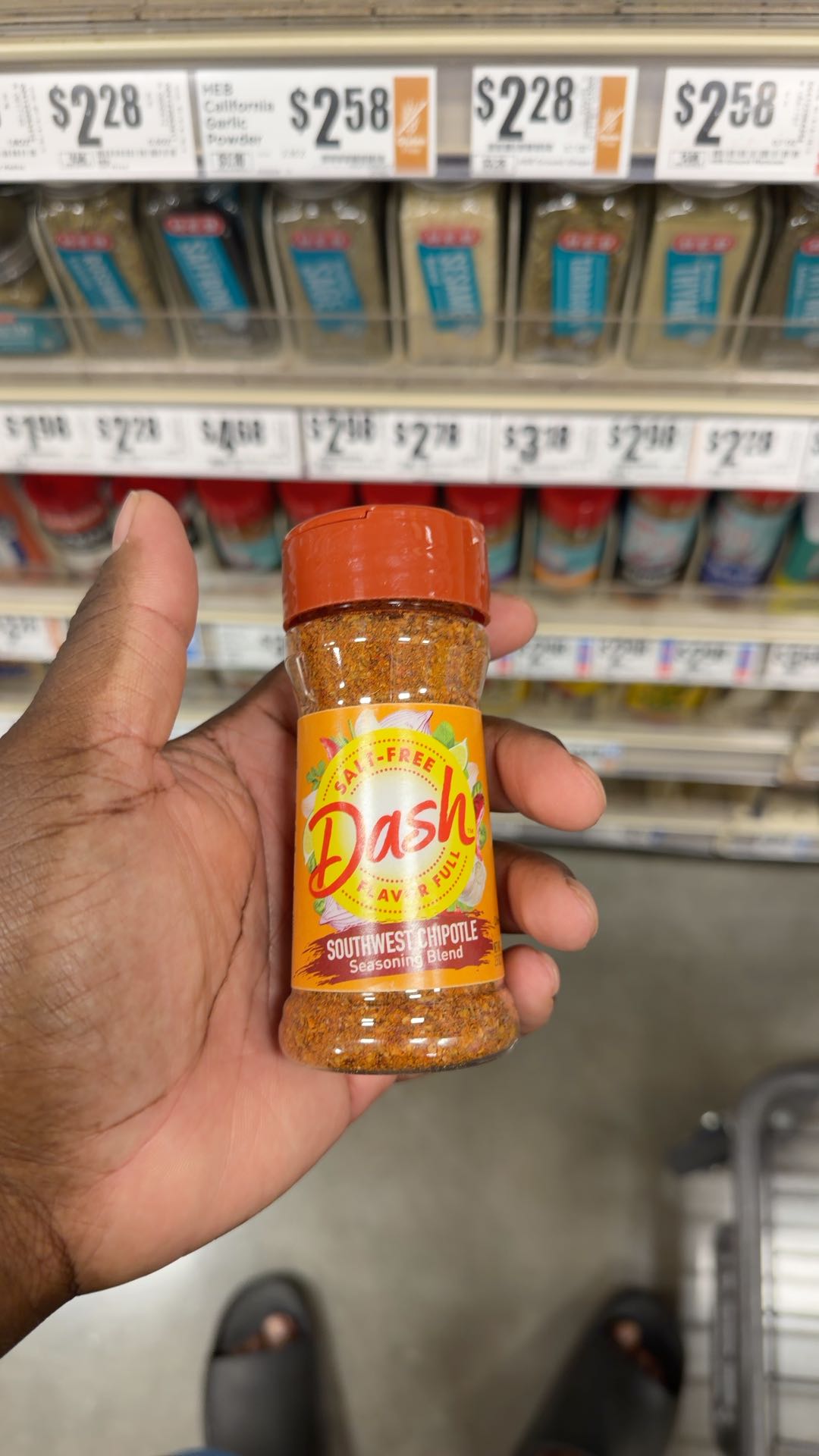
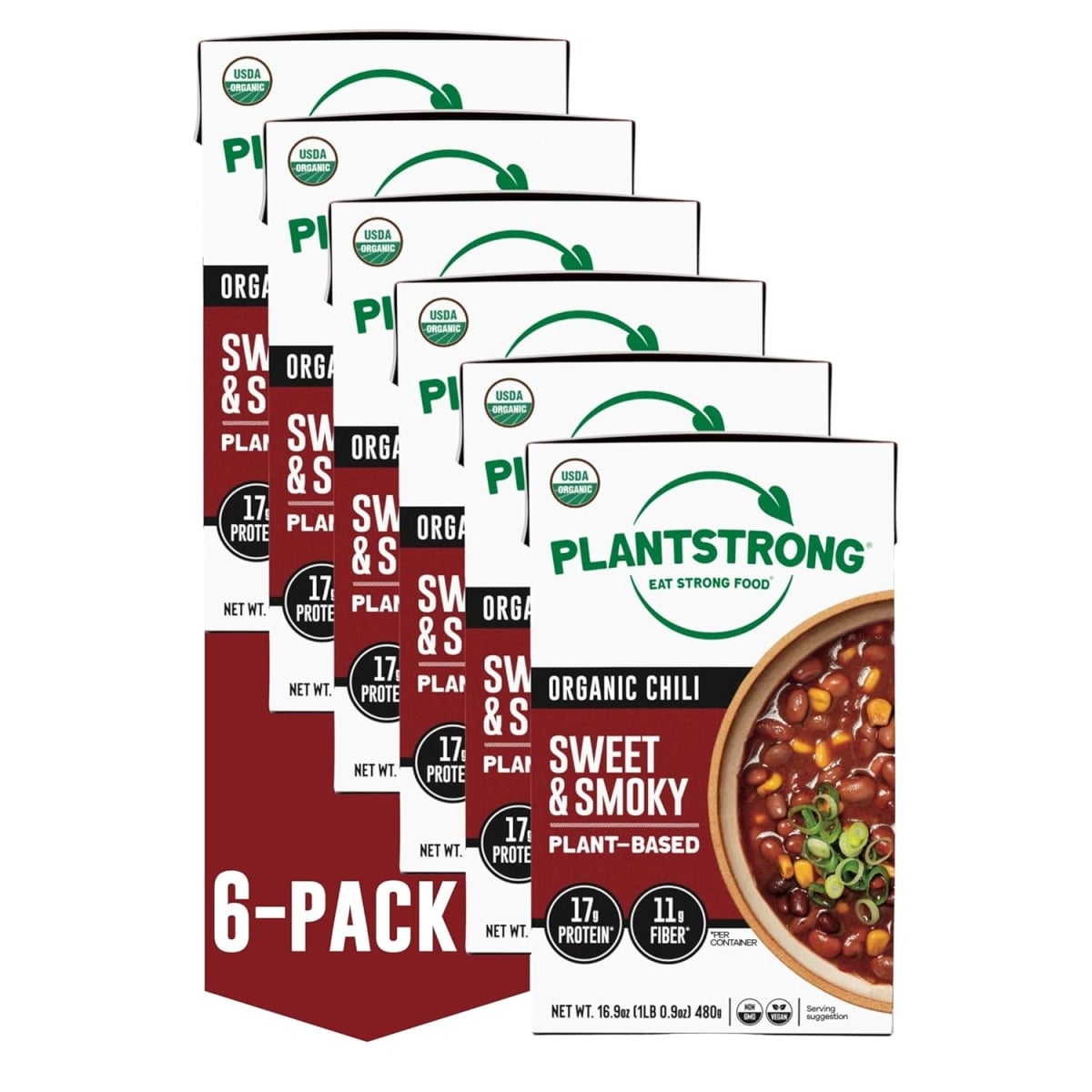

WOLF BRAND Chili With Beans, 24 oz., 24 OZ
Analysis updated April 2026 · How Scout scores
At a glance
Summary
This chili product contains several beneficial ingredients such as beef, pork, pinto beans, and tomato puree, which provide protein, fiber, and essential nutrients. However, it is heavily processed and includes additives like caramel color and soy lecithin, which detract from its healthiness. The presence of added sugar and the ultra-processed nature of the product further limit its nutritional quality.
Key ingredients 16
BeefGood
Beef is a high-quality source of protein and essential nutrients like iron and zinc. It provides a complete amino acid profile, supporting muscle growth and repair. Grass-fed beef is preferable for higher omega-3 content, but this is not specified here.
Risks
Excessive consumption of red meat may be linked to increased risk of certain diseases.
Benefits
Rich in protein and essential nutrients, supporting muscle health and overall nutrition.
PorkGood
Pork is a good source of protein and B vitamins, particularly thiamine. It supports muscle maintenance and energy metabolism. Lean cuts are preferable for lower saturated fat content.
Risks
High intake of processed pork products can be associated with health risks such as heart disease.
Benefits
Provides essential nutrients and supports muscle health.
Pinto beansGood
Pinto beans are a good source of plant-based protein and dietary fiber. They support digestive health and provide essential nutrients like folate and magnesium. Beans are beneficial for heart health and blood sugar regulation.
Risks
May cause digestive discomfort in some individuals due to oligosaccharides.
Benefits
Rich in fiber and protein, supporting heart health and digestion.
Tomato pureeGood
Tomato puree is rich in vitamins A and C and provides antioxidants like lycopene. It supports immune function and may reduce the risk of chronic diseases. The processing of tomatoes into puree can enhance the bioavailability of lycopene.
Benefits
Rich in antioxidants and vitamins, supporting overall health.
Whole rolled oatsGood
Whole rolled oats are a source of dietary fiber and complex carbohydrates. They support heart health and provide sustained energy. Oats contain beta-glucans, which can help lower cholesterol levels.
Benefits
Supports heart health and provides sustained energy.
Chili pepperGood
Chili pepper adds flavor and contains capsaicin, which may have metabolism-boosting properties. It provides vitamins A and C and can enhance the flavor profile of dishes. Capsaicin may also have anti-inflammatory effects.
Risks
May cause digestive discomfort in sensitive individuals.
Benefits
Contains capsaicin, which may boost metabolism and provide anti-inflammatory benefits.
SpicesGood
Whole-food seasonings, antioxidant-bearing.
Benefits
May provide antioxidants and enhance flavor.
Garlic powderGood
Garlic powder adds flavor and contains compounds like allicin, which may have health benefits. It supports cardiovascular health and has antimicrobial properties. Garlic is known for its potential to boost the immune system.
Benefits
Supports cardiovascular health and has antimicrobial properties.
WaterNeutral
Water is used as a solvent and to adjust the consistency of the product. It is a neutral ingredient with no direct nutritional impact. It helps in maintaining the desired texture and moisture content.
See more about Water →Beef brothNeutral
Beef broth adds flavor and some nutrients to the product. It is typically made by simmering beef bones and can contain collagen and minerals. The nutritional content can vary based on preparation methods.
Benefits
Provides flavor and some nutrients, though benefits depend on preparation.
Corn starchNeutral
Corn starch is used as a thickening agent in many processed foods. It is a refined carbohydrate with minimal nutritional value. It helps achieve the desired texture and consistency in the product.
See more about Corn starch →SaltNeutral
Salt is used to enhance flavor and preserve food. It is essential for maintaining fluid balance and nerve function. Excessive consumption can lead to health issues like hypertension.
Risks
High intake can contribute to hypertension and cardiovascular issues.
Benefits
Essential for fluid balance and nerve function.
SugarBad
Sugar is added for flavor enhancement but provides empty calories with no essential nutrients. Excessive sugar intake is linked to obesity and metabolic disorders. It is preferable to limit added sugars in the diet.
Risks
Linked to obesity, diabetes, and other metabolic disorders when consumed in excess.
Soy lecithinBad
Refined emulsifier lecithin (doctrine: 'bad', distinct from seed oils).
Benefits
Helps maintain product texture and consistency.
Caramel colorBad
Caramel color is a food coloring agent used to enhance appearance. It is a processed additive with no nutritional value. Some types of caramel color may contain contaminants like 4-MEI, which have raised health concerns.
Risks
Potential presence of contaminants like 4-MEI, which may pose health risks.
Sodium phosphateBad
Processed additive flagged under Scout's ingredient doctrine.
Risks
Excessive intake may affect kidney health.
Benefits
Helps maintain texture and moisture content in processed foods.
Processing
Ultra-Processed Foods
Get the full breakdown in the Scout appTake Scout shopping
Scan any product to see lab results, healthy alternatives, and your personalized analysis.
Download on theApp Store GET IT ONGoogle PlayAmazon pricing & content
CERTAIN CONTENT THAT APPEARS ON THIS SITE COMES FROM AMAZON. THIS CONTENT IS PROVIDED “AS IS” AND IS SUBJECT TO CHANGE OR REMOVAL AT ANY TIME.