
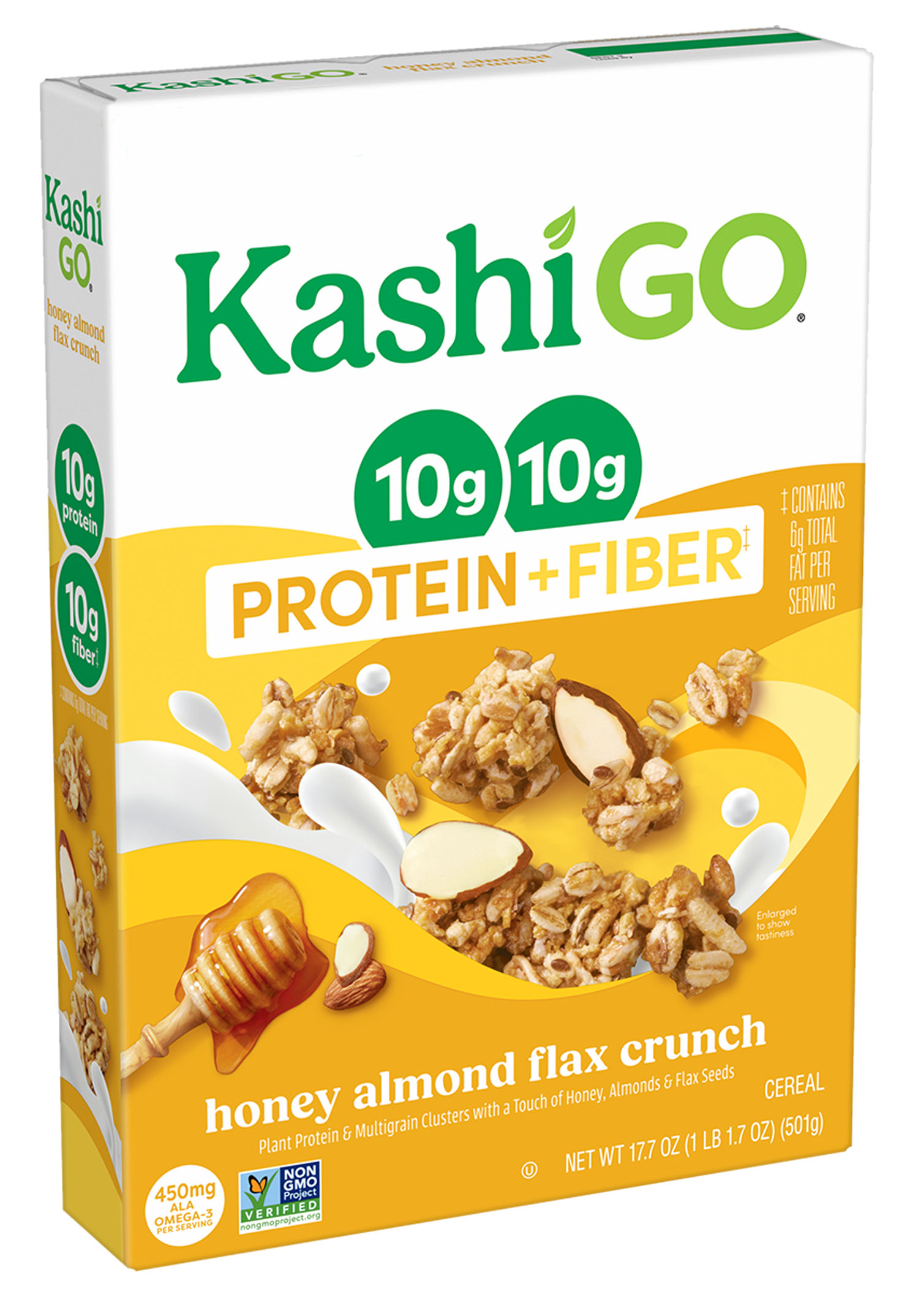
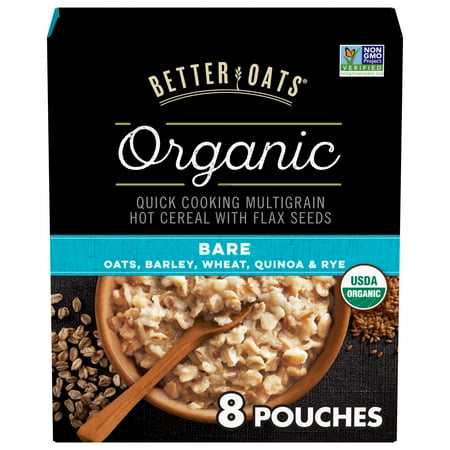
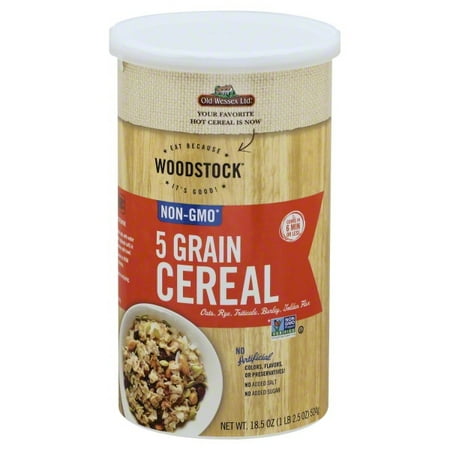
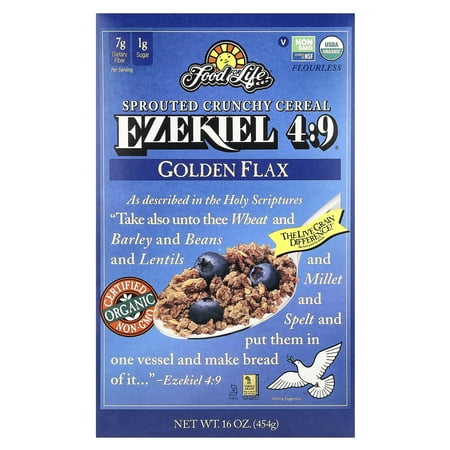

Kashi Golean Cereal Honey Almond Flax 16.8oz
Analysis updated May 2026 · How Scout scores
At a glance
Summary
This cereal contains a mix of beneficial whole grains and seeds, which provide fiber and essential nutrients. However, it is heavily processed and includes ingredients like brown rice syrup, dried cane syrup, and expeller pressed canola oil, which are less desirable due to their refined nature and potential health impacts. The presence of natural flavors and the high level of processing further limit its healthfulness despite the good nutritional profile.
Key ingredients 19
OatsVery Good
Whole grain known for its high fiber content and heart health benefits. Contains beta-glucans that help lower cholesterol. Supports digestive health and provides sustained energy.
Risks
Generally safe, but may be cross-contaminated with gluten during processing.
Benefits
Rich in beta-glucans, which can help reduce cholesterol and improve heart health.
AlmondsVery Good
Nutrient-rich nuts high in healthy fats, protein, and fiber. Supports heart health and provides antioxidants. Offers a good source of vitamin E and magnesium.
Risks
May cause allergic reactions in individuals with nut allergies.
Benefits
Rich in monounsaturated fats and antioxidants, supporting heart health and reducing inflammation.
Whole Flax SeedVery Good
Rich source of omega-3 fatty acids and dietary fiber. Supports heart health and aids in digestion. Provides lignans, which have antioxidant properties.
Risks
May cause digestive issues if consumed in large quantities without adequate water.
Benefits
High in omega-3 fatty acids and fiber, promoting heart health and digestive regularity.
Hard Red WheatGood
Whole grain providing essential nutrients and dietary fiber. Minimally processed to retain natural vitamins and minerals. Supports digestive health and provides sustained energy.
Risks
Contains gluten, which may cause issues for individuals with celiac disease or gluten sensitivity.
Benefits
Rich in dietary fiber, promoting healthy digestion and helping to maintain stable blood sugar levels.
Brown RiceGood
Whole grain that is a good source of complex carbohydrates and fiber. Retains its bran and germ, providing more nutrients than white rice. Supports heart health and provides energy.
Risks
May contain trace amounts of arsenic, which can accumulate over time if consumed in large quantities.
Benefits
Provides essential nutrients such as magnesium and B vitamins, supporting overall health.
BarleyGood
Whole grain rich in fiber and essential nutrients. Contains beta-glucans, which can help lower cholesterol levels. Supports heart health and aids in digestion.
Risks
Contains gluten, which can be problematic for those with celiac disease or gluten intolerance.
Benefits
High in soluble fiber, which can help reduce cholesterol and improve heart health.
TriticaleGood
Hybrid grain combining wheat and rye, offering a high protein content. Provides essential amino acids and dietary fiber. Supports muscle health and digestion.
Risks
Contains gluten, which may not be suitable for individuals with gluten-related disorders.
Benefits
Offers a good balance of protein and fiber, supporting muscle maintenance and digestive health.
RyeGood
Whole grain that is high in fiber and nutrients. Supports heart health and aids in digestion. Provides a unique flavor and texture to foods.
Risks
Contains gluten, which can be problematic for those with celiac disease or gluten intolerance.
Benefits
Rich in dietary fiber, promoting healthy digestion and helping to maintain stable blood sugar levels.
BuckwheatGood
Gluten-free pseudo-grain rich in fiber and essential nutrients. Contains antioxidants and supports heart health. Provides a good source of plant-based protein.
Benefits
Rich in antioxidants and fiber, supporting heart health and digestion.
Sesame SeedsGood
Nutrient-dense seeds high in healthy fats and minerals. Supports heart health and provides antioxidants. Adds a nutty flavor and texture to foods.
Risks
May cause allergic reactions in some individuals.
Benefits
Rich in healthy fats and antioxidants, supporting heart health and reducing inflammation.
Chicory Root FiberGood
Natural source of inulin, a prebiotic fiber. Supports digestive health by promoting beneficial gut bacteria. Can help improve bowel regularity.
Risks
Excessive consumption may cause gastrointestinal discomfort in some individuals.
Benefits
Promotes healthy digestion and supports gut health through prebiotic effects.
HoneyGood
Traditional whole-food sweetener with trace enzymes and antioxidants.
Risks
High sugar content can contribute to elevated blood sugar levels if consumed in excess.
Benefits
Contains small amounts of antioxidants and may have antimicrobial properties.
Mixed TocopherolsGood
Natural antioxidant used to preserve freshness. Derived from vitamin E, supporting skin and immune health. Helps extend shelf life of products without synthetic additives.
Benefits
Provides antioxidant benefits and helps maintain product freshness.
Soy FlakesNeutral
Processed soy product providing plant-based protein. Offers a source of essential amino acids. Suitable for vegetarians and vegans.
Risks
May contain phytoestrogens, which can affect hormone balance in sensitive individuals.
Benefits
Provides a plant-based source of protein, supporting muscle maintenance and repair.
SaltNeutral
Common seasoning used to enhance flavor. Essential for maintaining fluid balance and nerve function. Should be consumed in moderation to avoid health issues.
Risks
Excessive intake can lead to high blood pressure and cardiovascular issues.
Benefits
Provides essential sodium needed for various bodily functions.
Brown Rice SyrupBad
Sweetener derived from brown rice, high in glucose. Provides quick energy but lacks nutritional value. Can contribute to elevated blood sugar levels.
Risks
High glycemic index can lead to spikes in blood sugar levels.
Dried Cane SyrupBad
Refined sugar product used as a sweetener. Provides calories with minimal nutritional benefits. Can contribute to tooth decay and weight gain.
Risks
High sugar content can lead to increased risk of obesity and dental issues.
Natural FlavorBad
Catch-all term for flavoring agents that may include various additives. Lack of transparency in ingredient composition. Often used to enhance taste without providing nutritional benefits.
Risks
Potential for undisclosed additives and allergens.
Expeller Pressed Canola OilVery Bad
Seed oil high in omega-6 fatty acids, which can promote inflammation. Expeller pressing is a mechanical extraction method, but the oil is still refined. Often used for its neutral flavor and high smoke point.
Risks
High omega-6 content may promote inflammation when consumed in excess.
Processing
Ultra-Processed Foods
Get the full breakdown in the Scout appTake Scout shopping
Scan any product to see lab results, healthy alternatives, and your personalized analysis.
Download on theApp Store GET IT ONGoogle Play