


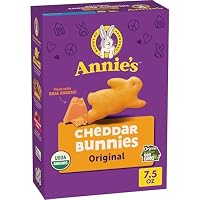

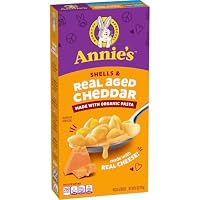
2.8 oz Yum Bunny Mac & Cheese - 2 Per Pack - Case of 6
Analysis updated August 2026 · How Scout scores
At a glance
Summary
This mac & cheese product contains organic ingredients such as whole grain wheat flour and dried cheddar cheese, which provide nutritional benefits like fiber and calcium. However, it includes processed additives like maltodextrin and natural flavors, which reduce transparency and may not be beneficial. The product is moderately processed, which limits its overall health rating despite the use of organic components.
Key ingredients 9
Organic whole grain wheat flourVery Good
Organic whole grain wheat flour is rich in fiber and nutrients due to the inclusion of the entire grain. The organic certification ensures it is free from synthetic chemicals. It contributes to heart health and aids digestion.
Risks
Contains gluten, which may cause issues for those with gluten intolerance or celiac disease.
Benefits
High in dietary fiber, vitamins, and minerals, supporting heart health and digestive function.
Dried cheddar cheeseGood
Dried cheddar cheese provides protein and calcium, essential for bone health. It is made from pasteurized milk, ensuring safety from harmful bacteria. The drying process concentrates its nutrients, making it a rich source of dairy benefits.
Risks
High in saturated fats and sodium, which can be a concern if consumed in excess.
Benefits
Rich in protein and calcium, supporting muscle function and bone health.
ButtermilkGood
Buttermilk is a fermented dairy product that provides probiotics and calcium. It is low in fat and aids in digestion due to its probiotic content. The fermentation process enhances its nutritional profile.
Risks
Contains lactose, which may cause digestive issues for lactose-intolerant individuals.
Benefits
Offers probiotics that support gut health and is a good source of calcium for bone strength.
Organic wheat flourNeutral
Standard formulation ingredient — neither beneficial nor harmful at typical use.
Risks
Contains gluten, which can be problematic for individuals with celiac disease or gluten sensitivity.
Benefits
Provides essential carbohydrates for energy and some dietary fiber, supporting digestive health.
SaltNeutral
Salt is used as a seasoning and preservative in foods. It is essential for maintaining fluid balance and nerve function. However, excessive consumption can lead to health issues.
Risks
High sodium intake is associated with increased blood pressure and cardiovascular risk.
Benefits
Essential for fluid balance and nerve function in the body.
Corn starchNeutral
Corn starch is a common thickening agent used in food processing. It is derived from corn and is generally considered safe. It provides no significant nutritional value but is useful for texture and consistency.
Risks
May cause blood sugar spikes if consumed in large quantities due to its high glycemic index.
AnnattoNeutral
Annatto is a natural coloring agent derived from the seeds of the achiote tree. It is used to impart a yellow or orange color to foods. It is generally considered safe and is a natural alternative to synthetic dyes.
Risks
May cause allergic reactions in sensitive individuals.
Benefits
Provides natural color without the use of synthetic dyes.
Natural flavorsBad
Natural flavors are often used to enhance taste but lack transparency in their composition. They can contain a variety of compounds, some of which may not be beneficial. The lack of disclosure can be concerning for those with allergies or sensitivities.
Risks
Potential allergen risk due to undisclosed ingredients and may contribute to overconsumption of flavored foods.
MaltodextrinBad
Processed additive flagged under Scout's ingredient doctrine.
Risks
Can cause blood sugar spikes and may affect gut health if consumed in large amounts.
Benefits
Provides quick energy due to its rapid absorption.
Processing
Processed Foods
Get the full breakdown in the Scout appTake Scout shopping
Scan any product to see lab results, healthy alternatives, and your personalized analysis.
Download on theApp Store GET IT ONGoogle Play