


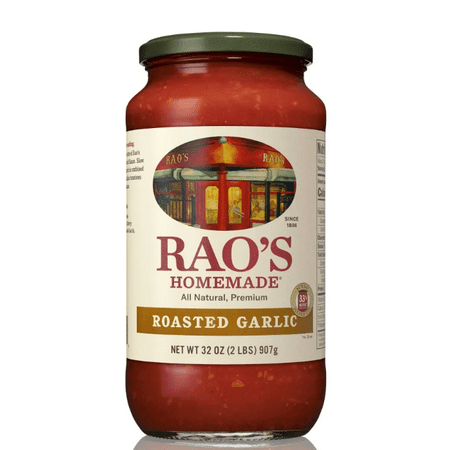
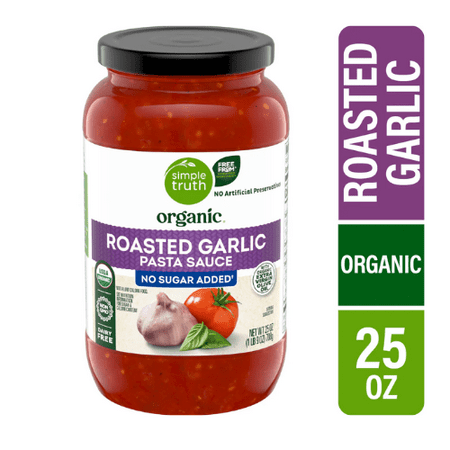

14.5 oz Alfredo White Pasta Sauce with Roasted Garlic
Analysis updated July 2026 · How Scout scores
At a glance
Summary
This Alfredo sauce contains beneficial ingredients like cream, Parmesan cheese, and roasted garlic, which contribute to its flavor and nutritional profile. However, the presence of soybean oil, a seed oil high in omega-6 fatty acids, is a significant concern due to its potential to promote inflammation. Additionally, the product is processed, which limits its overall health rating despite the presence of some high-quality ingredients.
Key ingredients 13
CreamGood
Cream is a dairy product that provides richness and flavor to sauces. It contains beneficial fats and fat-soluble vitamins. When sourced from grass-fed cows, it may offer additional omega-3 fatty acids.
Risks
High in saturated fats, which may be a concern for heart health if consumed in excess.
Benefits
Provides a source of calcium and fat-soluble vitamins like A and D. Adds a creamy texture and flavor to dishes.
Parmesan CheeseGood
Parmesan cheese is a hard cheese known for its rich flavor and umami profile. It is a good source of protein and calcium. Aging process enhances its digestibility and flavor complexity.
Risks
Contains lactose, which may be a concern for individuals with lactose intolerance.
Benefits
Rich in protein and calcium, supporting bone health. Contains beneficial bacteria from the fermentation process.
Roasted GarlicGood
Roasted garlic adds flavor and potential health benefits to dishes. It contains antioxidants and compounds that may support heart health. Roasting enhances its flavor profile and reduces pungency.
Benefits
Contains antioxidants and sulfur compounds that may support cardiovascular health and immune function.
Romano CheeseGood
Romano cheese is a hard cheese with a sharp flavor, adding depth to dishes. It is a good source of protein and calcium. Aging process enhances its flavor and digestibility.
Risks
Contains lactose, which may be a concern for individuals with lactose intolerance.
Benefits
Provides protein and calcium, supporting bone health. Contains beneficial bacteria from the fermentation process.
Dried GarlicGood
Dried garlic provides concentrated flavor and potential health benefits. It contains antioxidants and sulfur compounds that may support heart health. Drying process preserves its beneficial compounds.
Benefits
Rich in antioxidants and sulfur compounds that may support cardiovascular health and immune function.
Black PepperGood
Black pepper is a spice that enhances flavor and may offer health benefits. It contains piperine, which can enhance nutrient absorption. Provides a pungent flavor and potential digestive benefits.
Benefits
Contains piperine, which may enhance nutrient absorption and support digestion.
WaterNeutral
Water is a neutral ingredient used as a base in many food products. It serves as a solvent and helps in blending other ingredients. No significant health impacts are associated with water in this context.
See more about Water →Corn StarchNeutral
Corn starch is used as a thickening agent in sauces. It is a refined carbohydrate with no significant nutritional value. Provides texture without altering flavor.
See more about Corn Starch →Enzyme Modified Egg YolksNeutral
Enzyme modified egg yolks are used to enhance texture and emulsification in sauces. They are processed to improve functionality in food products. Provide a source of lecithin, which aids in emulsification.
Risks
May pose allergy risks for individuals sensitive to eggs.
Benefits
Contains lecithin, which can aid in emulsification and improve texture.
WheyNeutral
Liquid whey as a minor dairy ingredient — benign.
Risks
May cause digestive issues for individuals with lactose intolerance.
Benefits
Rich in essential amino acids and supports muscle repair and growth. Easily digestible and absorbed by the body.
SaltNeutral
Salt is used to enhance flavor in foods. It is a refined culinary ingredient with no additional nutritional benefits. Essential for maintaining electrolyte balance in the body.
Risks
Excessive consumption may lead to high blood pressure and cardiovascular issues.
Benefits
Essential for maintaining electrolyte balance and proper cellular function.
Xanthan GumNeutral
Xanthan gum is a polysaccharide used as a thickening and stabilizing agent. It is produced through fermentation and is commonly used in processed foods. Provides texture and stability without altering flavor.
Risks
May cause digestive issues in sensitive individuals when consumed in large amounts.
Soybean OilVery Bad
Soybean oil is a seed oil high in omega-6 fatty acids, which can promote inflammation. It is often highly processed and may contain trans fats. Its high omega-6 content can disrupt the omega-3 to omega-6 balance in the diet.
Risks
High omega-6 content may promote inflammation when consumed in excess. Processing methods may introduce trans fats.
Processing
Processed Foods
Get the full breakdown in the Scout appTake Scout shopping
Scan any product to see lab results, healthy alternatives, and your personalized analysis.
Download on theApp Store GET IT ONGoogle PlayAmazon pricing & content
Amazon price as of . Product prices and availability are accurate as of the date/time indicated and are subject to change. Any price and availability information displayed on Amazon.com at the time of purchase will apply to the purchase of this product.
CERTAIN CONTENT THAT APPEARS ON THIS SITE COMES FROM AMAZON. THIS CONTENT IS PROVIDED “AS IS” AND IS SUBJECT TO CHANGE OR REMOVAL AT ANY TIME.