


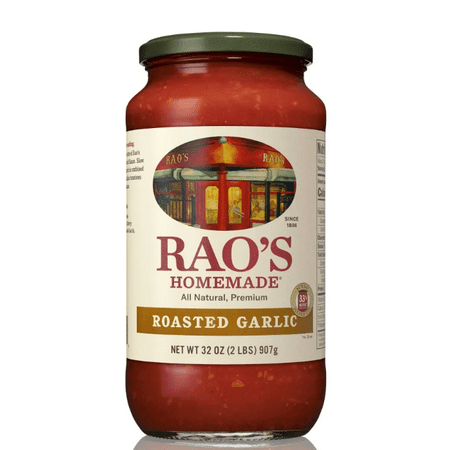
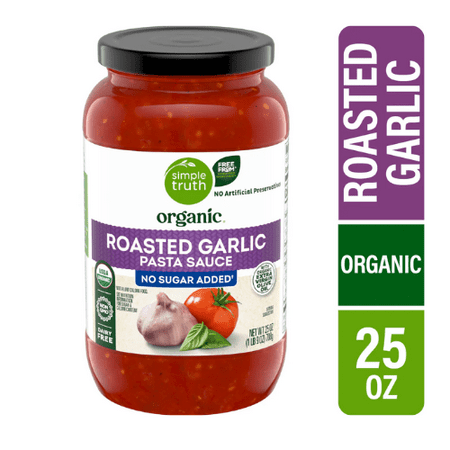

At a glance
Summary
This product contains a mix of beneficial ingredients like roasted portobello mushrooms and extra virgin olive oil, which contribute to its nutritional value. However, the presence of canola oil, a seed oil that is often highly processed, and added sugar, which provides empty calories, detracts from its overall healthiness. The product is moderately processed, which limits its potential score despite the inclusion of some high-quality ingredients.
Key ingredients 20
Extra virgin olive oilVery Good
High-quality monounsaturated fat with anti-inflammatory properties. Contains antioxidants that support heart health. Cold-pressed extraction preserves beneficial compounds.
Benefits
Rich in monounsaturated fats that support heart health and provide anti-inflammatory properties. Contains antioxidants like vitamin E and polyphenols that may reduce oxidative stress.
Roasted portobello mushroomsGood
Portobello mushrooms are a good source of dietary fiber and essential nutrients. Roasting enhances their flavor without adding unhealthy fats. They provide antioxidants and may support immune health.
Benefits
Rich in antioxidants and nutrients like selenium and vitamin D, supporting immune function and overall health.
Black pepperGood
Black pepper is a spice that enhances flavor and has potential health benefits. Contains piperine, which may improve nutrient absorption. It also has antioxidant properties.
Benefits
May improve digestion and nutrient absorption due to piperine content.
Ricotta cheeseGood
Ricotta cheese is a source of high-quality protein and calcium. Made from whey, it is lower in fat compared to other cheeses. It supports bone health and muscle maintenance.
Risks
May cause issues for those with lactose intolerance or dairy allergies.
Benefits
Provides high-quality protein and calcium, supporting bone health and muscle maintenance.
Low moisture mozzarella cheeseGood
Low moisture mozzarella is a good source of protein and calcium. It has a lower moisture content, which extends shelf life and enhances texture. Supports bone health and provides essential nutrients.
Risks
May cause issues for those with lactose intolerance or dairy allergies.
Benefits
Rich in protein and calcium, beneficial for bone health and muscle function.
Parmesan cheeseGood
Parmesan cheese is a hard cheese rich in protein and calcium. It is aged, which enhances flavor and digestibility. Supports bone health and provides essential nutrients.
Risks
May cause issues for those with lactose intolerance or dairy allergies.
Benefits
High in protein and calcium, supporting bone health and providing essential nutrients.
GarlicGood
Garlic is known for its flavor and potential health benefits. Contains allicin, which may have antimicrobial and cardiovascular benefits. It is also rich in antioxidants.
Benefits
May support cardiovascular health and immune function due to its antioxidant and antimicrobial properties.
ParsleyGood
Parsley is a herb rich in vitamins A, C, and K. It provides antioxidants and may support bone health and immune function. Often used for flavor and garnish.
Benefits
Rich in vitamins and antioxidants, supporting overall health and immune function.
EggsGood
Eggs are a high-quality protein source with essential amino acids. They provide vitamins and minerals like B12 and choline. Support muscle maintenance and overall health.
Risks
May cause allergic reactions in some individuals.
Benefits
Rich in high-quality protein and essential nutrients, supporting muscle and brain health.
SaltNeutral
Common seasoning used to enhance flavor. Provides sodium, an essential mineral for fluid balance and nerve function. Excessive intake can lead to health issues like hypertension.
Risks
High sodium intake can contribute to hypertension and cardiovascular diseases.
Benefits
Essential for maintaining fluid balance and nerve function in the body.
BreadcrumbsNeutral
Breadcrumbs are used as a filler or coating in recipes. They provide carbohydrates but are often made from refined flour. Minimal nutritional benefits beyond energy provision.
Risks
May contain gluten, posing a risk for those with celiac disease or gluten sensitivity.
Benefits
Provides carbohydrates for energy but lacks significant nutritional benefits.
Potato flakesNeutral
Potato flakes are dehydrated potatoes used as a thickener or filler. They provide carbohydrates but are processed and lack the nutrients of whole potatoes. Minimal nutritional benefits beyond energy provision.
Risks
May contribute to high glycemic load if consumed in large quantities.
Benefits
Provides carbohydrates for energy but lacks significant nutritional benefits.
Potato starchNeutral
Potato starch is used as a thickening agent in foods. It is a refined carbohydrate with minimal nutritional value. Primarily provides energy through carbohydrates.
Risks
May contribute to high glycemic load if consumed in large quantities.
Benefits
Provides carbohydrates for energy but lacks significant nutritional benefits.
Dried citrus pulpNeutral
Dried citrus pulp is used for flavor and as a fiber source. It contains some vitamins and antioxidants. However, it is often used in small quantities, limiting its nutritional impact.
Benefits
May provide some fiber and antioxidants, though typically in small amounts.
Durum wheat semolinaNeutral
Durum wheat semolina is used in pasta for its high protein and gluten content. It provides energy and some nutrients but is less nutritious than whole grains. Commonly used in pasta production.
Risks
Contains gluten, which can be problematic for those with celiac disease or gluten sensitivity.
Benefits
Provides carbohydrates and protein, supporting energy needs.
WaterNeutral
Water is used as a solvent and to adjust consistency in food products. It is essential for hydration and various bodily functions. No nutritional value beyond hydration.
Benefits
Essential for hydration and bodily functions.
Beta carotene colorNeutral
Beta carotene is a natural pigment used for coloring. It is a precursor to vitamin A and has antioxidant properties. Used in small amounts, primarily for visual appeal.
Benefits
Provides antioxidant benefits and is a precursor to vitamin A.
SugarBad
Refined sugar is a source of empty calories with no essential nutrients. Excessive consumption can lead to health issues like obesity and diabetes. It is often added for sweetness but offers no nutritional benefits.
Risks
Excessive intake can contribute to obesity, diabetes, and other metabolic disorders.
Wheat flourBad
Refined grain flour stripped of bran and germ.
Risks
Contains gluten, which can be problematic for those with celiac disease or gluten sensitivity.
Benefits
Provides carbohydrates and some protein, though refined versions lack fiber and nutrients.
Canola oilVery Bad
Canola oil is a seed oil high in omega-6 fatty acids, which can promote inflammation. It is often highly processed and refined. Alternatives like olive oil offer healthier fat profiles.
Risks
High omega-6 content may promote inflammation when consumed in excess.
Processing
Processed Foods
Get the full breakdown in the Scout appTake Scout shopping
Scan any product to see lab results, healthy alternatives, and your personalized analysis.
Download on theApp Store GET IT ONGoogle Play