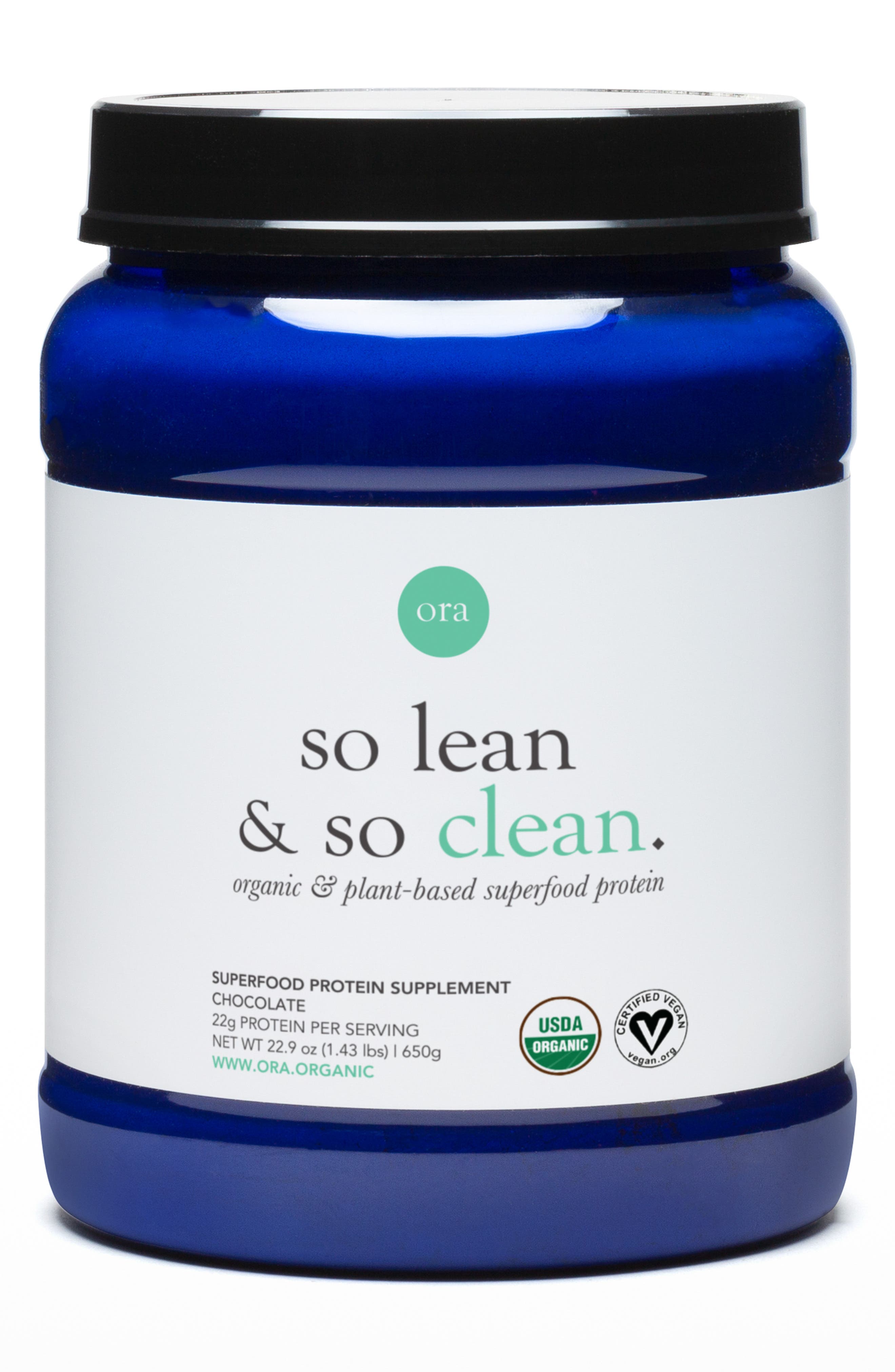
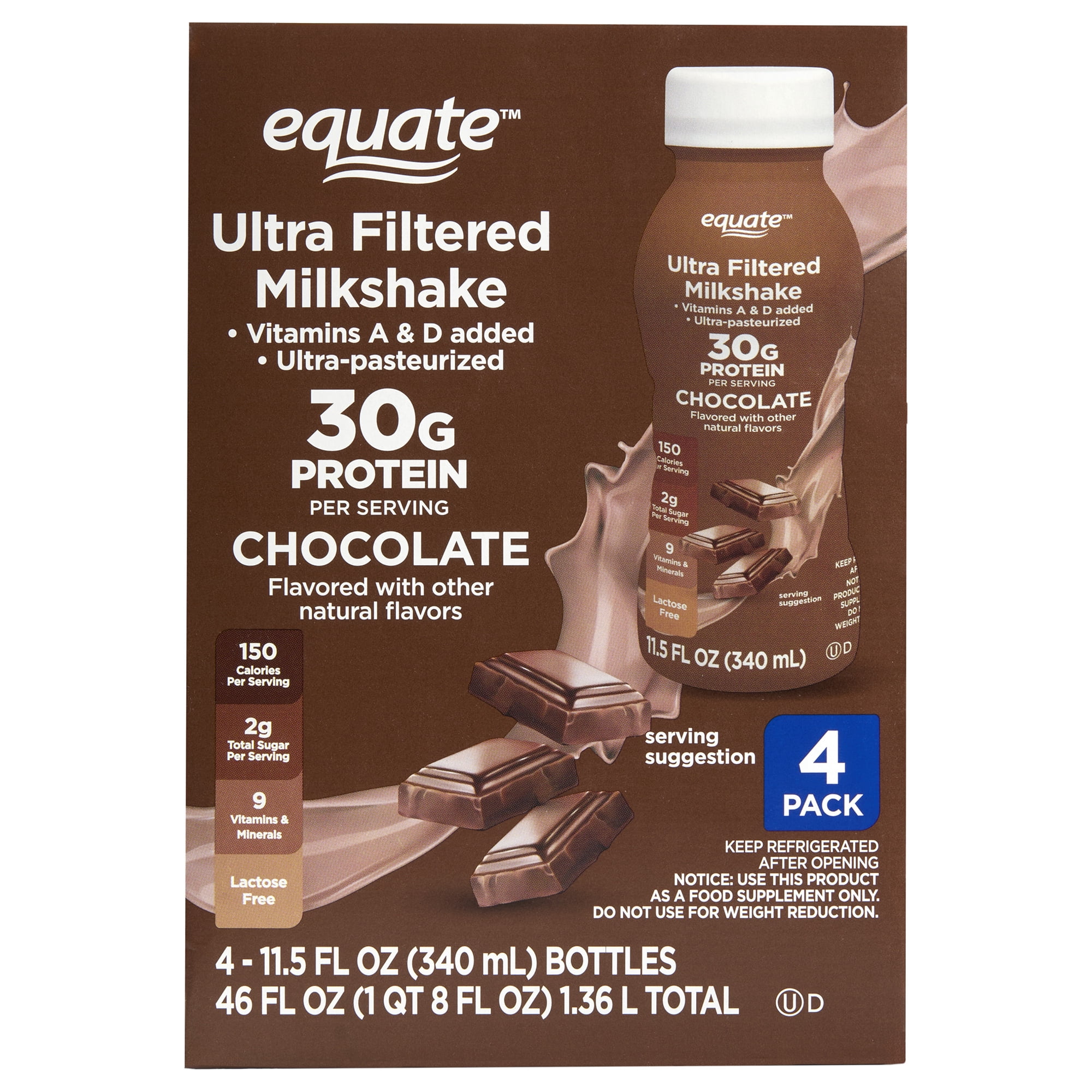
Protein Shake - Chocolate
At a glance
Summary
This protein shake contains beneficial ingredients like milk protein concentrate and calcium caseinate, which provide high-quality protein. However, the presence of sugar and carrageenan, along with a moderate level of processing, slightly detracts from its overall healthiness. The inclusion of vitamins and minerals adds nutritional value, but the use of additives like carrageenan and phosphates warrants a moderate penalty.
Key ingredients 25
Milk Protein ConcentrateGood
Milk protein concentrate is a high-quality protein source derived from milk, providing essential amino acids. It is minimally processed and supports muscle repair and growth. It is a preferred protein source in supplements due to its complete amino acid profile.
Risks
May cause allergic reactions in individuals with milk allergies.
Benefits
Rich in essential amino acids, supporting muscle growth and repair.
Calcium CaseinateGood
Calcium caseinate is a slow-digesting protein derived from milk, beneficial for sustained amino acid release. It is often used in protein supplements for its ability to provide prolonged protein supply. It supports muscle maintenance and growth over extended periods.
Risks
May cause allergic reactions in individuals with milk allergies.
Benefits
Provides sustained amino acid release, supporting muscle maintenance.
CocoaGood
Cocoa processed with alkali, also known as Dutch-processed cocoa, has a milder flavor and is less acidic. It retains some antioxidants despite processing, which can support heart health. It is used for flavoring and provides some nutritional benefits.
Risks
May contain trace amounts of heavy metals like cadmium.
Benefits
Contains antioxidants that may support heart health.
Ascorbic AcidGood
Ascorbic acid, also known as vitamin C, is an essential nutrient and antioxidant. It supports immune function and skin health. It is commonly added to foods to enhance nutritional value and prevent oxidation.
Benefits
Supports immune function and acts as an antioxidant.
DL-Alpha Tocopherol AcetateGood
DL-alpha tocopherol acetate is a form of vitamin E, an antioxidant that protects cells from oxidative damage. It is often added to supplements for its health benefits. It supports skin health and immune function.
Benefits
Acts as an antioxidant, supporting skin and immune health.
NiacinamideGood
Niacinamide, a form of vitamin B3, supports energy metabolism and skin health. It is often included in supplements for its role in cellular energy production. It is water-soluble and essential for overall health.
Risks
High doses may cause flushing or liver issues.
Benefits
Supports energy metabolism and skin health.
Zinc SulfateGood
Zinc sulfate is a form of zinc used to fortify foods and supplements. It supports immune function and wound healing. It is an essential mineral required for various enzymatic reactions in the body.
Risks
Excessive intake can lead to nausea and interfere with copper absorption.
Benefits
Supports immune function and wound healing.
Copper GluconateGood
Copper gluconate is a form of copper used in supplements to support various bodily functions. It is essential for iron metabolism and neurological health. It is often included in multivitamins for its health benefits.
Risks
High doses can lead to toxicity and liver damage.
Benefits
Supports iron metabolism and neurological health.
Calcium D-PantothenateGood
Calcium D-pantothenate is a form of vitamin B5, essential for energy metabolism. It is commonly used in supplements to support adrenal function and energy production. It is water-soluble and plays a role in synthesizing coenzyme A.
Benefits
Supports energy metabolism and adrenal function.
Vitamin B12Good
Vitamin B12 is essential for nerve function and red blood cell formation. It is commonly added to supplements to prevent deficiency, especially in vegetarians and vegans. It is water-soluble and crucial for DNA synthesis.
Benefits
Supports nerve function and red blood cell formation.
Pyridoxine HydrochlorideGood
Pyridoxine hydrochloride is a form of vitamin B6, important for protein metabolism and cognitive development. It is often included in supplements for its role in neurotransmitter synthesis. It is water-soluble and supports overall health.
Risks
High doses may cause nerve damage.
Benefits
Supports protein metabolism and cognitive development.
BiotinGood
Biotin, also known as vitamin B7, supports hair, skin, and nail health. It is often included in beauty supplements for its role in keratin production. It is water-soluble and essential for energy metabolism.
Benefits
Supports hair, skin, and nail health.
RiboflavinGood
Riboflavin, also known as vitamin B2, is essential for energy production and cellular function. It is commonly added to supplements to prevent deficiency. It is water-soluble and supports overall health.
Benefits
Supports energy production and cellular function.
WaterNeutral
Water is a neutral ingredient that serves as a base for the product. It is essential for hydration but does not contribute additional nutritional value. It is commonly used in beverages to dissolve other ingredients.
See more about Water →Dipotassium PhosphateNeutral
Dipotassium phosphate is used as a stabilizer and emulsifier in food products. It helps maintain product consistency and is generally recognized as safe. It is commonly used in dairy and non-dairy creamers.
Risks
High intake may affect kidney health in sensitive individuals.
Benefits
Stabilizes and emulsifies food products, maintaining consistency.
Vitamin A PalmitateNeutral
Standard formulation ingredient — neither beneficial nor harmful at typical use.
Risks
Excessive intake can lead to toxicity, especially in supplements.
Benefits
Supports vision, immune function, and skin health.
Dicalcium PhosphateNeutral
Dicalcium phosphate is used as a dietary supplement to provide calcium and phosphorus. It is commonly used in fortified foods and supplements. It is generally recognized as safe when used appropriately.
Risks
Excessive intake may lead to imbalances in calcium and phosphorus levels.
Benefits
Provides calcium and phosphorus, supporting bone health.
Folic AcidNeutral
Standard formulation ingredient — neither beneficial nor harmful at typical use.
Risks
Excessive intake may mask vitamin B12 deficiency symptoms.
Benefits
Supports DNA synthesis and prevents neural tube defects.
MononitrateNeutral
Mononitrate is often used as a form of vitamin B1 (thiamine) in supplements. It supports energy metabolism and nerve function. It is generally recognized as safe when used appropriately.
Benefits
Supports energy metabolism and nerve function.
Ferric OrthophosphateNeutral
Ferric orthophosphate is used as an iron supplement to prevent anemia. It is commonly added to fortified foods and supplements. It is generally recognized as safe when used appropriately.
Risks
Excessive intake may cause gastrointestinal issues.
Benefits
Prevents iron deficiency anemia.
Potassium PhosphateNeutral
Potassium phosphate is used as a buffering agent and electrolyte source in food products. It helps maintain pH balance and supports hydration. It is generally recognized as safe when used in regulated amounts.
Risks
High intake may affect kidney function in susceptible individuals.
Benefits
Supports hydration and maintains pH balance.
Silicon DioxideNeutral
Silicon dioxide is used as an anti-caking agent in food products. It prevents clumping and ensures product consistency. It is generally recognized as safe when used in small amounts.
Benefits
Prevents clumping and maintains product consistency.
SugarBad
Sugar is a simple carbohydrate that can contribute to increased calorie intake and potential weight gain. Excessive consumption of sugar is linked to various health issues, including obesity and dental problems. It is often added to improve taste but should be consumed in moderation.
Risks
Excessive sugar intake can lead to obesity, diabetes, and dental issues.
Benefits
Provides quick energy but should be consumed in moderation.
CarrageenanBad
Processed additive flagged under Scout's ingredient doctrine.
Risks
Some studies suggest it may cause digestive issues in sensitive individuals.
Benefits
Improves texture and stability of food products.
Tripotassium PhosphateBad
Processed additive flagged under Scout's ingredient doctrine.
Risks
Excessive intake may affect kidney function in susceptible individuals.
Benefits
Helps maintain pH balance and improves food texture.
Processing
Ultra-Processed Foods
Get the full breakdown in the Scout appTake Scout shopping
Scan any product to see lab results, healthy alternatives, and your personalized analysis.
Are you QT? Fix an error Get the badge Get tested