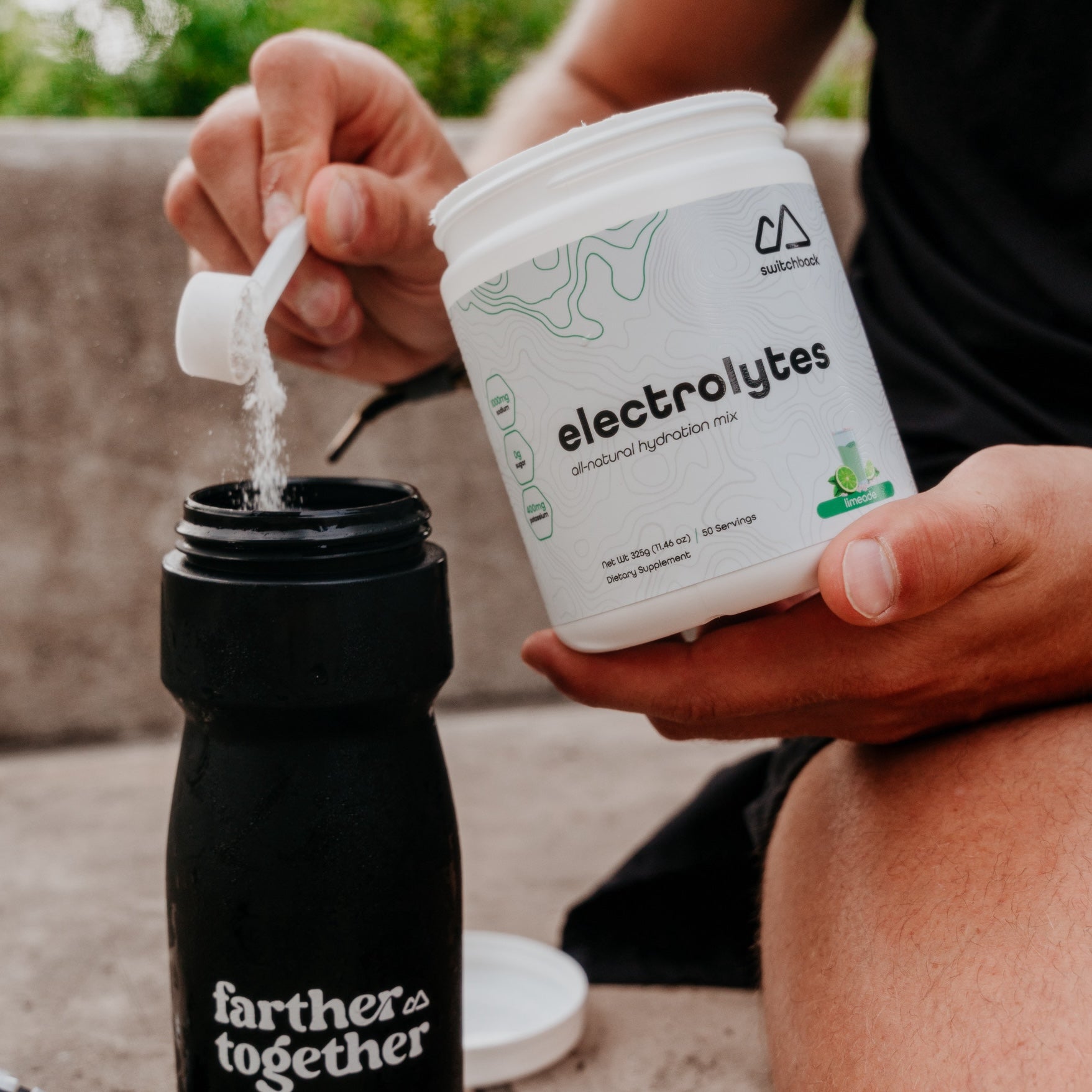
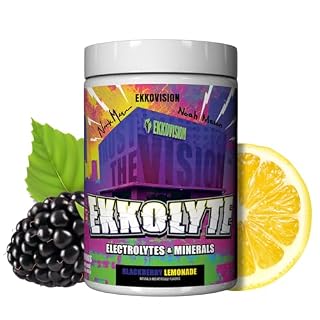
Grape Electrolyte Beverage

At a glance
Summary
This grape electrolyte beverage contains beneficial electrolytes such as sodium citrate, potassium chloride, magnesium chloride, and calcium chloride, which support hydration and muscle function. However, the presence of dextrose as a primary ingredient and the use of natural flavors, which lack transparency, slightly detract from its overall formulation quality. The product is moderately processed but does not contain artificial dyes or sweeteners, making it a relatively clean option within its category. Its plastic packaging can shed microplastics into the product and lowers its score.
Key ingredients 11
Sodium CitrateGood
Sodium citrate is used to regulate acidity and as an electrolyte source. It helps maintain pH balance and supports hydration. It is beneficial in replenishing sodium lost through sweat.
Benefits
Supports hydration and electrolyte balance, especially during physical exertion.
Potassium ChlorideGood
Potassium chloride is an essential electrolyte that helps maintain fluid balance and muscle function. It is crucial for nerve transmission and muscle contraction. It is often included in electrolyte drinks to prevent cramps.
Risks
Excessive intake can lead to hyperkalemia, which affects heart function.
Benefits
Essential for maintaining electrolyte balance and preventing muscle cramps.
Magnesium ChlorideGood
Magnesium chloride is a source of magnesium, an essential mineral for muscle and nerve function. It supports energy production and bone health. It is beneficial in preventing magnesium deficiency.
Risks
High doses may cause digestive issues such as diarrhea.
Benefits
Supports muscle function and energy production, and helps prevent magnesium deficiency.
SaltGood
Beneficial ingredient — whole-food or functional value in this product class.
Risks
Excessive intake may contribute to high blood pressure and cardiovascular issues.
Benefits
Essential for fluid balance and nerve function, especially during physical activity.
Purified WaterNeutral
Purified water is a neutral base ingredient used to dissolve other components. It undergoes filtration to remove impurities, ensuring safety and cleanliness. It does not contribute any nutritional value or health risks.
See more about Purified Water →Citric AcidNeutral
Citric acid is used as a preservative and flavor enhancer. It is naturally found in citrus fruits and is generally recognized as safe. It can contribute to the tart flavor of beverages.
Risks
Excessive consumption may cause tooth enamel erosion.
Benefits
Acts as a natural preservative and enhances flavor.
Calcium ChlorideNeutral
Standard formulation ingredient — neither beneficial nor harmful at typical use.
Risks
Excessive intake can lead to hypercalcemia, affecting kidney function.
Benefits
Supports bone health and muscle function, contributing to overall mineral balance.
Steviol GlycosidesNeutral
Steviol glycosides are natural sweeteners derived from the stevia plant. They provide sweetness without calories, making them a popular sugar substitute. They are generally considered safe and do not affect blood sugar levels.
Benefits
Provides sweetness without adding calories or affecting blood sugar levels.
Fruit And Vegetable JuiceNeutral
Fruit and vegetable juice is used for natural coloring. It provides a natural alternative to artificial dyes. However, it does not contribute significant nutritional value in small amounts.
Benefits
Provides natural coloring without artificial additives.
DextroseBad
Refined added sugar.
Risks
Excessive intake may lead to increased blood sugar levels and potential weight gain.
Benefits
Provides a quick source of energy, beneficial during intense physical activity.
Natural FlavorBad
Natural flavor is a catch-all term for flavoring agents derived from natural sources. It lacks transparency, making it difficult to assess its health impact. It is often criticized for being overly processed.
Risks
Potential for undisclosed additives and processing agents.
Processing
Processed Foods
Get the full breakdown in the Scout appTake Scout shopping
Scan any product to see lab results, healthy alternatives, and your personalized analysis.
Are you LYT Rapid Hydration? Fix an error Get the badge Get tested