



At a glance
Summary
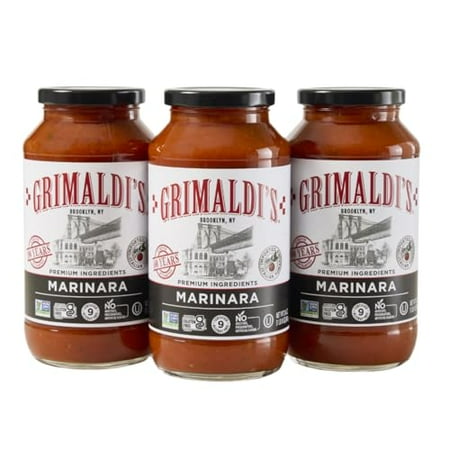
This marinara sauce contains beneficial ingredients like tomatoes, garlic, and olive oil, which are minimally processed and offer health benefits. However, the presence of soybean oil, a heavily processed seed oil, and natural flavors, which lack transparency, detracts from its overall healthiness. Additionally, the use of potassium sorbate as a preservative indicates a higher level of processing, which limits the score.
Key ingredients 9
Olive OilVery Good
Olive oil is a high-quality source of monounsaturated fats with anti-inflammatory properties. It is often cold-pressed, preserving its beneficial compounds. Regular consumption supports heart health and may reduce oxidative stress.
Benefits
Rich in monounsaturated fats and antioxidants like vitamin E and polyphenols.
TomatoesGood
Tomatoes are a rich source of vitamins, minerals, and antioxidants like lycopene. They are minimally processed and retain most of their nutritional value. Consuming tomatoes can support heart health and reduce inflammation.
Benefits
Rich in vitamins C and K, folate, and potassium. Lycopene in tomatoes is linked to reduced risk of heart disease and cancer.
GarlicGood
Garlic is known for its potential health benefits, including antimicrobial and anti-inflammatory properties. It is minimally processed and retains its beneficial compounds. Regular consumption may support immune function and cardiovascular health.
Benefits
Contains allicin, which may help reduce cholesterol levels and improve heart health.
SaltNeutral
Salt is used as a seasoning and preservative in foods. It is a refined product without additional trace minerals. While necessary for bodily functions, excessive intake can lead to health issues.
Risks
High sodium intake can contribute to hypertension and cardiovascular disease.
Benefits
Essential for maintaining fluid balance and nerve function in the body.
SpiceNeutral
Spices add flavor and may offer some health benefits depending on the specific spices used. They are generally minimally processed. The health impact varies based on the type and quantity of spices.
Benefits
May provide antioxidants and anti-inflammatory compounds depending on the specific spices used.
WaterNeutral
Water is used as a solvent and to adjust the consistency of the sauce. It is a neutral ingredient with no direct nutritional impact. It helps in blending and distributing other ingredients evenly.
See more about Water →Natural FlavorBad
Natural flavors are often used to enhance taste but can be highly processed and lack transparency. They may contain a variety of compounds not disclosed on labels. The lack of transparency can be concerning for those with allergies or sensitivities.
Risks
Potential allergens or sensitivities due to undisclosed compounds.
Potassium SorbateBad
Synthetic preservative — flagged in daily-use products.
Risks
May cause allergic reactions in sensitive individuals.
Benefits
Effectively prevents spoilage and extends product shelf life.
Soybean OilVery Bad
Soybean oil is a seed oil high in omega-6 fatty acids, which can promote inflammation. It is heavily processed and often refined, which can reduce its nutritional value. Regular consumption may negatively impact heart health.
Risks
High omega-6 content may promote inflammation when consumed in excess.
Processing
Processed Foods
Get the full breakdown in the Scout appTake Scout shopping
Scan any product to see lab results, healthy alternatives, and your personalized analysis.
Download on theApp Store GET IT ONGoogle Play