


At a glance
Summary
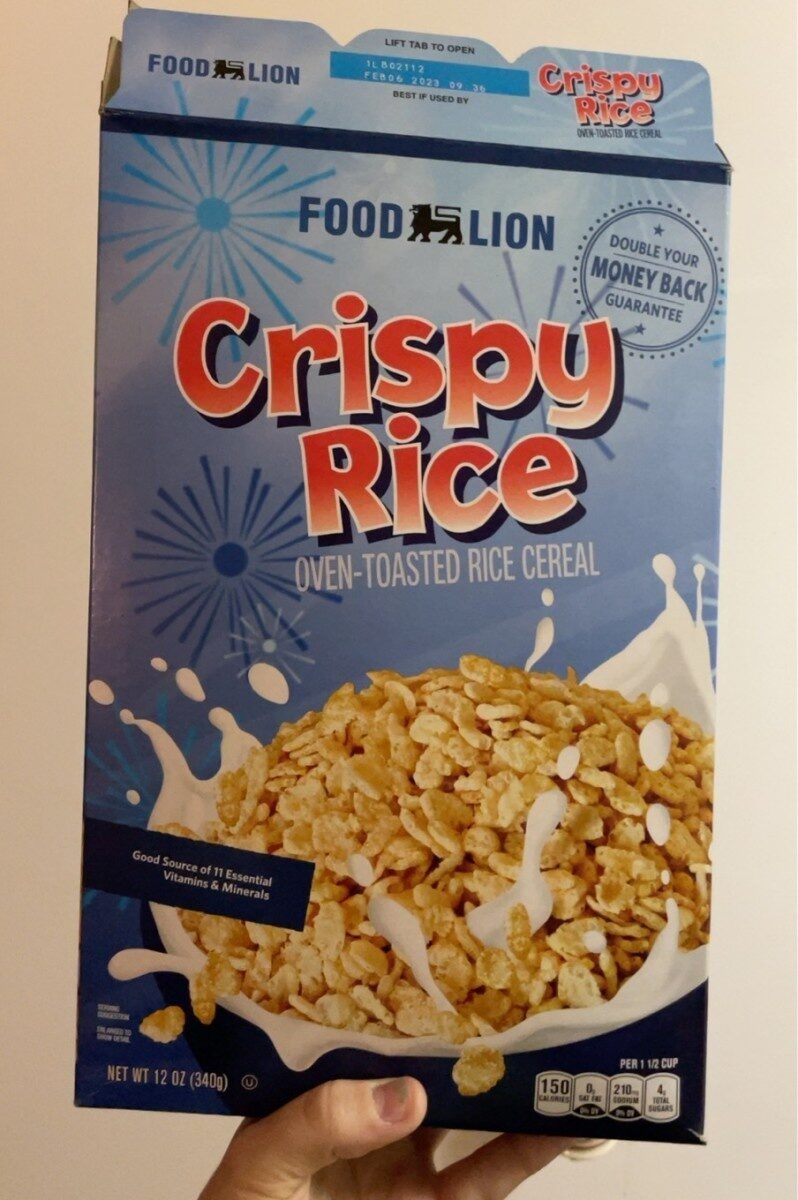
This product is a processed cereal with a moderate level of added sugar, which can contribute to metabolic issues if consumed in excess. While it contains beneficial vitamins and minerals, the presence of refined sugar and the level of processing limit its health benefits. The use of mixed tocopherols as a preservative is a positive aspect, but the overall processing level and sugar content prevent a higher score.
Key ingredients 16
RiceGood
Rice is a staple grain providing carbohydrates for energy. It is minimally processed and generally well-tolerated. As a whole grain, it can offer fiber and essential nutrients.
Benefits
Provides a source of energy and can be part of a balanced diet. Whole grain varieties offer additional fiber and nutrients.
Mixed TocopherolsGood
Mixed tocopherols are a form of vitamin E used as an antioxidant to preserve freshness. They are naturally derived and beneficial for health. Vitamin E supports immune function and skin health.
Benefits
Acts as an antioxidant, protecting cells from oxidative damage and supporting overall health.
Sodium AscorbateGood
Sodium ascorbate is a form of vitamin C used for its antioxidant properties. It is essential for collagen synthesis and immune function. This form is less acidic and easier on the stomach than ascorbic acid.
Benefits
Supports immune health and acts as an antioxidant, protecting against free radical damage.
NiacinamideGood
Niacinamide is a form of vitamin B3 that supports energy metabolism and skin health. It is water-soluble and easily absorbed. It helps convert food into energy.
Benefits
Supports skin health and energy production, contributing to overall well-being.
Alpha Tocopherol AcetateGood
Alpha tocopherol acetate is a stable form of vitamin E used for its antioxidant properties. It helps protect cells from oxidative stress. This form is commonly used in supplements and fortified foods.
Benefits
Supports immune function and skin health by acting as an antioxidant.
Pyridoxine HydrochlorideGood
Pyridoxine hydrochloride is a form of vitamin B6 important for protein metabolism and cognitive development. It is water-soluble and essential for neurotransmitter synthesis. It supports brain health and energy metabolism.
Benefits
Essential for amino acid metabolism and neurotransmitter function, supporting brain health.
Thiamin MononitrateGood
Thiamin mononitrate is a form of vitamin B1 that supports energy metabolism. It is water-soluble and essential for converting carbohydrates into energy. It helps maintain proper nerve function.
Benefits
Supports energy production and nerve function, contributing to overall health.
RiboflavinGood
Riboflavin, or vitamin B2, is essential for energy production and cellular function. It is water-soluble and helps convert food into energy. It supports skin health and red blood cell production.
Benefits
Supports energy metabolism and skin health, contributing to overall well-being.
Vitamin DGood
Vitamin D is essential for calcium absorption and bone health. It is fat-soluble and supports immune function. It helps maintain healthy bones and teeth.
Risks
Excessive intake can lead to toxicity, particularly in supplement form.
Benefits
Supports bone health and immune function, contributing to overall well-being.
Vitamin B12Good
Vitamin B12 is essential for nerve function and red blood cell formation. It is water-soluble and crucial for DNA synthesis. It supports energy metabolism and neurological health.
Benefits
Supports nerve function and red blood cell production, contributing to overall health.
SaltNeutral
Salt is used to enhance flavor but provides no additional nutritional benefits. It is a source of sodium, which is essential in small amounts. Excessive consumption can lead to hypertension.
Risks
High sodium intake is linked to increased blood pressure and cardiovascular risk.
Benefits
Essential for maintaining fluid balance and nerve function in the body.
Malted Barley SyrupNeutral
Malted barley syrup is a sweetener derived from barley. It is less processed than refined sugars but still contributes to overall sugar intake. It provides some trace nutrients from barley.
Risks
May contribute to excessive sugar intake if consumed in large amounts.
Benefits
Contains trace minerals and vitamins from barley, offering a slightly more nutritious alternative to refined sugars.
Reduced IronNeutral
Standard formulation ingredient — neither beneficial nor harmful at typical use.
Risks
Excessive iron intake can lead to toxicity, particularly in individuals with hemochromatosis.
Benefits
Essential for producing hemoglobin and supporting energy metabolism.
Vitamin A PalmitateNeutral
Standard formulation ingredient — neither beneficial nor harmful at typical use.
Risks
Excessive intake can lead to toxicity, particularly in supplement form.
Benefits
Supports vision and immune health, contributing to overall well-being.
Folic AcidNeutral
Standard formulation ingredient — neither beneficial nor harmful at typical use.
Benefits
Supports cell division and DNA synthesis, essential for growth and development.
SugarBad
Refined sugar is associated with increased risk of obesity and metabolic disorders. It is highly processed and offers no nutritional benefits. Excessive consumption can lead to health issues such as diabetes.
Risks
High intake of refined sugar can contribute to weight gain, insulin resistance, and dental cavities.
Processing
Processed Foods
Get the full breakdown in the Scout appTake Scout shopping
Scan any product to see lab results, healthy alternatives, and your personalized analysis.
Download on theApp Store GET IT ONGoogle Play