

At a glance
Summary
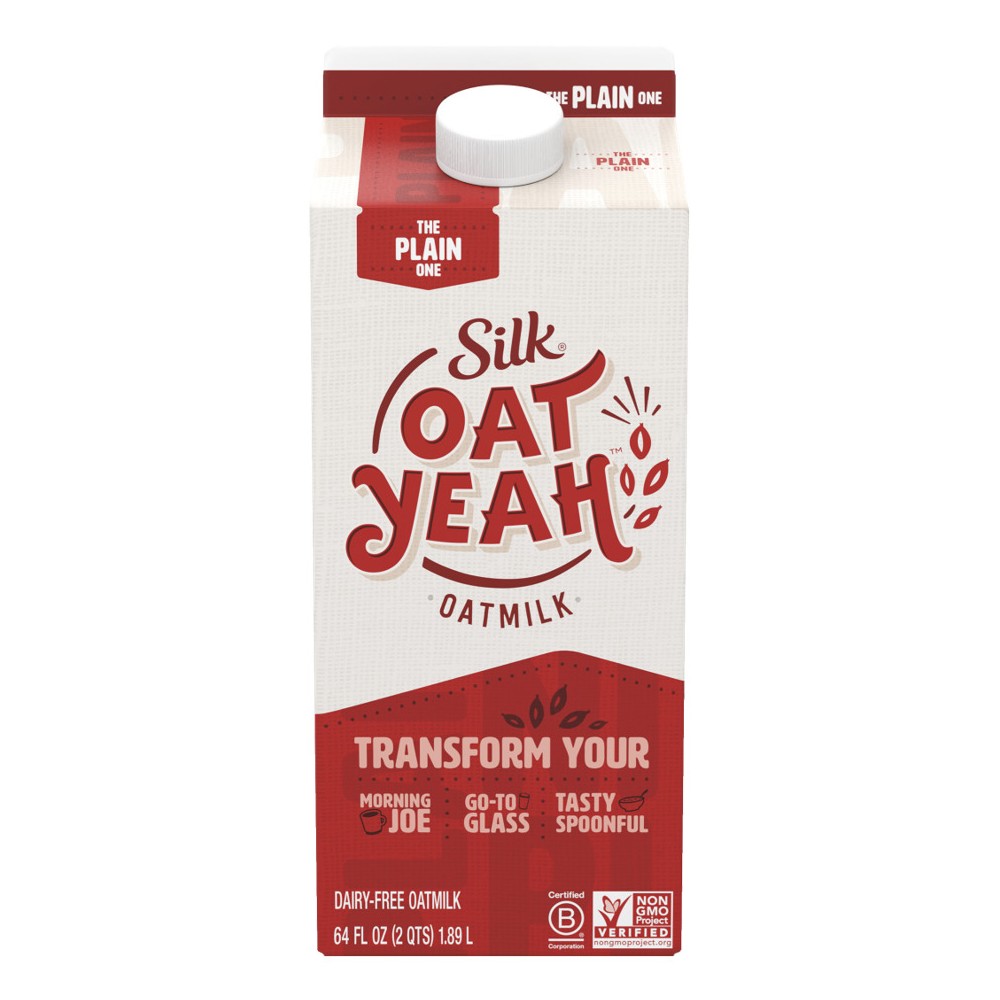
This oatmilk product is moderately processed and contains sunflower oil, which is a seed oil high in omega-6 fatty acids that can promote inflammation. The presence of multiple additives like gums and emulsifiers further contributes to its processing level. While it includes some beneficial vitamins and minerals, the use of processed ingredients and seed oil limits its overall healthiness.
Key ingredients 10
Sea SaltGood
Sea salt is a natural source of sodium and trace minerals. It is less processed than table salt and retains beneficial minerals. It enhances flavor without the additives found in refined salts.
Benefits
Provides essential sodium and trace minerals, enhancing flavor naturally.
Ascorbic AcidGood
Vitamin C — beneficial even when serving as a preservative.
Benefits
Acts as an antioxidant and helps preserve freshness.
OatmilkNeutral
Oatmilk is a plant-based milk alternative made from oats and water. It is generally well-tolerated and provides some fiber and nutrients. However, it may contain added sugars and lacks the protein content of cow's milk.
Risks
May contain added sugars and lacks the protein content found in dairy milk.
Benefits
Provides a dairy-free alternative with some fiber and nutrients from oats.
Vitamin And Mineral BlendNeutral
The vitamin and mineral blend includes essential nutrients like calcium, vitamin A, and vitamin D2. These are added to enhance the nutritional profile of the product. However, synthetic vitamins may not be as bioavailable as those from whole food sources.
Risks
Synthetic vitamins may not be as bioavailable as those from whole food sources.
Benefits
Enhances the nutritional profile by providing essential vitamins and minerals.
Malt ExtractNeutral
Malt extract is derived from barley and used as a sweetener and flavor enhancer. It contains some vitamins and minerals but is primarily a source of sugar. It can contribute to the overall sugar content of the product.
Risks
Contributes to the overall sugar content of the product.
Benefits
Provides flavor and some vitamins and minerals.
Dipotassium PhosphateNeutral
Dipotassium phosphate is used as a stabilizer and emulsifier in food products. It helps maintain texture and consistency. While generally recognized as safe, excessive consumption may affect kidney function.
Risks
Excessive consumption may affect kidney function.
Benefits
Helps maintain texture and consistency in food products.
Gellan GumNeutral
Gellan gum is a gelling agent used to stabilize and thicken food products. It is derived from bacterial fermentation and is generally considered safe. However, it may cause digestive discomfort in sensitive individuals.
Risks
May cause digestive discomfort in sensitive individuals.
Benefits
Provides stability and thickness to food products.
Locust Bean GumNeutral
Locust bean gum is a natural thickener derived from carob seeds. It is used to stabilize and thicken food products. Generally considered safe, it may cause digestive issues in large amounts.
Risks
May cause digestive issues in large amounts.
Benefits
Provides natural thickening and stabilization in food products.
Sunflower LecithinBad
Sunflower lecithin is an emulsifier used to improve texture and blend ingredients. It is a processed ingredient and may contain residues from extraction processes. While generally safe, it is not a necessary nutritional component.
Risks
May contain residues from extraction processes.
Benefits
Improves texture and helps blend ingredients.
Sunflower OilVery Bad
Sunflower oil is a seed oil high in omega-6 fatty acids, which can promote inflammation when consumed in excess. It is highly processed and lacks beneficial nutrients. The extraction process often involves high heat and chemicals, reducing its nutritional quality.
Risks
High omega-6 content may promote inflammation when consumed in excess.
Processing
Processed Foods
Get the full breakdown in the Scout appTake Scout shopping
Scan any product to see lab results, healthy alternatives, and your personalized analysis.
Download on theApp Store GET IT ONGoogle Play