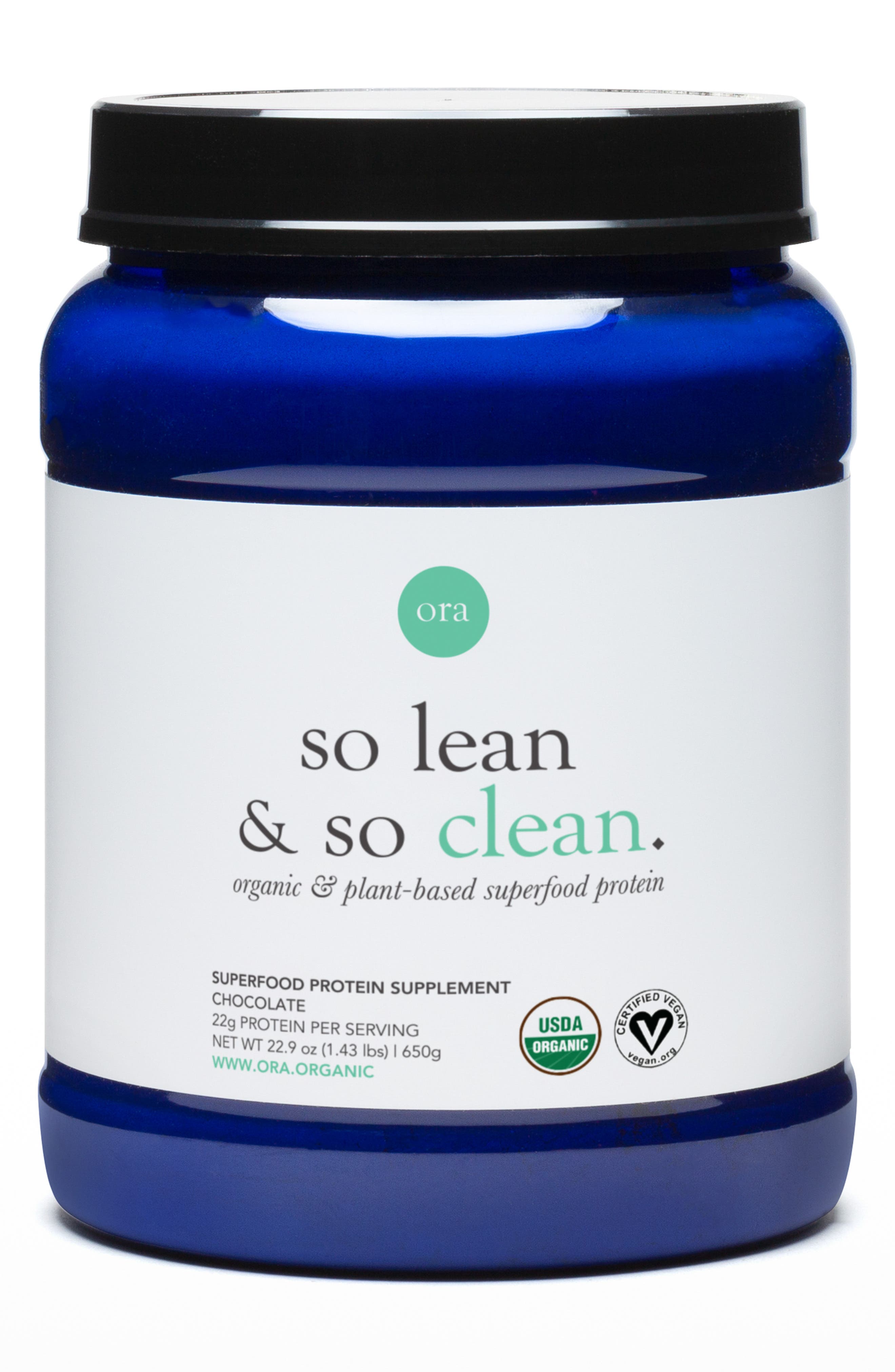
Chocolate plant protein

At a glance
Summary
This chocolate plant protein powder contains beneficial ingredients like pea protein concentrate and brown rice protein concentrate, which provide a good amino acid profile for plant-based diets. However, the presence of maltodextrin and natural flavors introduces concerns due to their processed nature and lack of transparency. Additionally, the use of sunflower lecithin as an emulsifier, while not harmful, adds to the processing level of the product. Its plastic packaging can shed microplastics into the product and lowers its score.
Key ingredients 18
Pea Protein ConcentrateGood
Pea protein concentrate is a high-quality plant-based protein source with a good amino acid profile. It is minimally processed and free from common allergens like dairy and soy. This makes it a suitable option for those seeking a plant-based protein supplement.
Benefits
Rich in essential amino acids and supports muscle growth and repair.
Brown Rice Protein ConcentrateGood
Brown rice protein concentrate is a plant-based protein source with a decent amino acid profile. It is hypoallergenic and suitable for those avoiding dairy and soy. It complements pea protein to provide a more complete amino acid profile.
Benefits
Supports muscle growth and repair, especially when combined with other plant proteins.
Monk Fruit ExtractGood
Beneficial ingredient — whole-food or functional value in this product class.
Benefits
Provides sweetness without calories, suitable for low-calorie diets.
Cocoa Powder Processed With AlkaliNeutral
Cocoa powder processed with alkali, also known as Dutch-processed cocoa, has a milder flavor and darker color. The alkalization process reduces acidity but may also decrease some antioxidant content. It is commonly used in chocolate-flavored products for its taste and color.
Risks
The alkalization process may reduce some beneficial antioxidants.
Benefits
Provides flavor and color to the product without significant nutritional benefits.
Pea StarchNeutral
Pea starch is used as a thickening agent and is derived from peas. It is a clean-label ingredient with minimal processing. It does not contribute significant nutritional value but aids in texture and consistency.
Benefits
Helps improve the texture and consistency of the product.
Spinach PowderNeutral
Spinach powder is derived from whole spinach leaves and retains some of the vegetable's nutrients. It is used for its nutritional content and natural color. However, the concentration in supplements is often too low to provide significant health benefits.
Benefits
Provides some vitamins and minerals, though in small amounts.
Gum ArabicNeutral
Gum arabic is a natural gum made from the sap of acacia trees and is used as a stabilizer and thickener. It is generally recognized as safe and is used in small amounts in food products. It does not contribute significant nutritional value.
Benefits
Helps stabilize and thicken the product without adding calories.
Stevia ExtractNeutral
Stevia extract is a natural, zero-calorie sweetener derived from the leaves of the stevia plant. It is used to provide sweetness without adding calories or affecting blood sugar levels. It is considered safe for most people.
Benefits
Provides sweetness without calories, making it suitable for low-calorie diets.
Silicon DioxideNeutral
Silicon dioxide is used as an anti-caking agent to prevent clumping in powdered products. It is a naturally occurring compound and is generally recognized as safe. It does not contribute any nutritional value.
Benefits
Prevents clumping and ensures the product remains free-flowing.
Xanthan GumNeutral
Xanthan gum is a polysaccharide used as a thickening and stabilizing agent in food products. It is produced by fermenting sugars with Xanthomonas campestris bacteria. It is generally recognized as safe and used in small amounts.
Benefits
Improves texture and stability of the product.
Kale PowderNeutral
Kale powder is made from dehydrated kale leaves and retains some of the vegetable's nutrients. It is used for its nutritional content and natural color. However, the concentration in supplements is often too low to provide significant health benefits.
Benefits
Provides some vitamins and minerals, though in small amounts.
Broccoli PowderNeutral
Broccoli powder is derived from whole broccoli and retains some of the vegetable's nutrients. It is used for its nutritional content and natural color. However, the concentration in supplements is often too low to provide significant health benefits.
Benefits
Provides some vitamins and minerals, though in small amounts.
Enzyme Modified Cocoa ButterNeutral
Enzyme modified cocoa butter is used to enhance the flavor and texture of chocolate products. It is a processed form of cocoa butter that retains the fat content. It is generally recognized as safe but does not provide significant nutritional benefits.
Benefits
Enhances flavor and texture in chocolate-flavored products.
Bacillus Subtilis DE111Neutral
Bacillus subtilis DE111 is a probiotic strain used to support gut health. It is considered safe and beneficial for maintaining a healthy gut microbiome. However, its effectiveness can vary based on individual gut flora.
Benefits
Supports gut health and may improve digestion.
MaltodextrinBad
Maltodextrin is a highly processed carbohydrate used as a filler and thickener. It has a high glycemic index, which can cause rapid spikes in blood sugar levels. It is often used in processed foods for its textural properties.
Risks
May cause rapid blood sugar spikes and is not suitable for those managing blood sugar levels.
Benefits
Provides texture and bulk to the product but offers no significant nutritional benefits.
DextroseBad
Refined added sugar.
Risks
Excessive consumption can lead to blood sugar spikes and contribute to metabolic issues.
Benefits
Provides quick energy and enhances the sweetness of the product.
Natural FlavorsBad
Natural flavors are a catch-all term for flavoring agents derived from natural sources. The exact composition is often undisclosed, leading to concerns about transparency and potential allergens. They are commonly used to enhance flavor in processed foods.
Risks
Potential allergens and lack of transparency in ingredient composition.
Benefits
Enhances flavor without adding significant nutritional value.
Sunflower LecithinBad
Sunflower lecithin is used as an emulsifier to improve texture and mixability. While it is a cleaner alternative to soy lecithin, it is still a processed ingredient. It does not provide significant nutritional benefits.
Risks
Potential allergen for those sensitive to sunflower products.
Benefits
Improves texture and mixability of the product.
Processing
Ultra-Processed Foods
Get the full breakdown in the Scout appTake Scout shopping
Scan any product to see lab results, healthy alternatives, and your personalized analysis.
Are you TopCare Health? Fix an error Get the badge Get tested