


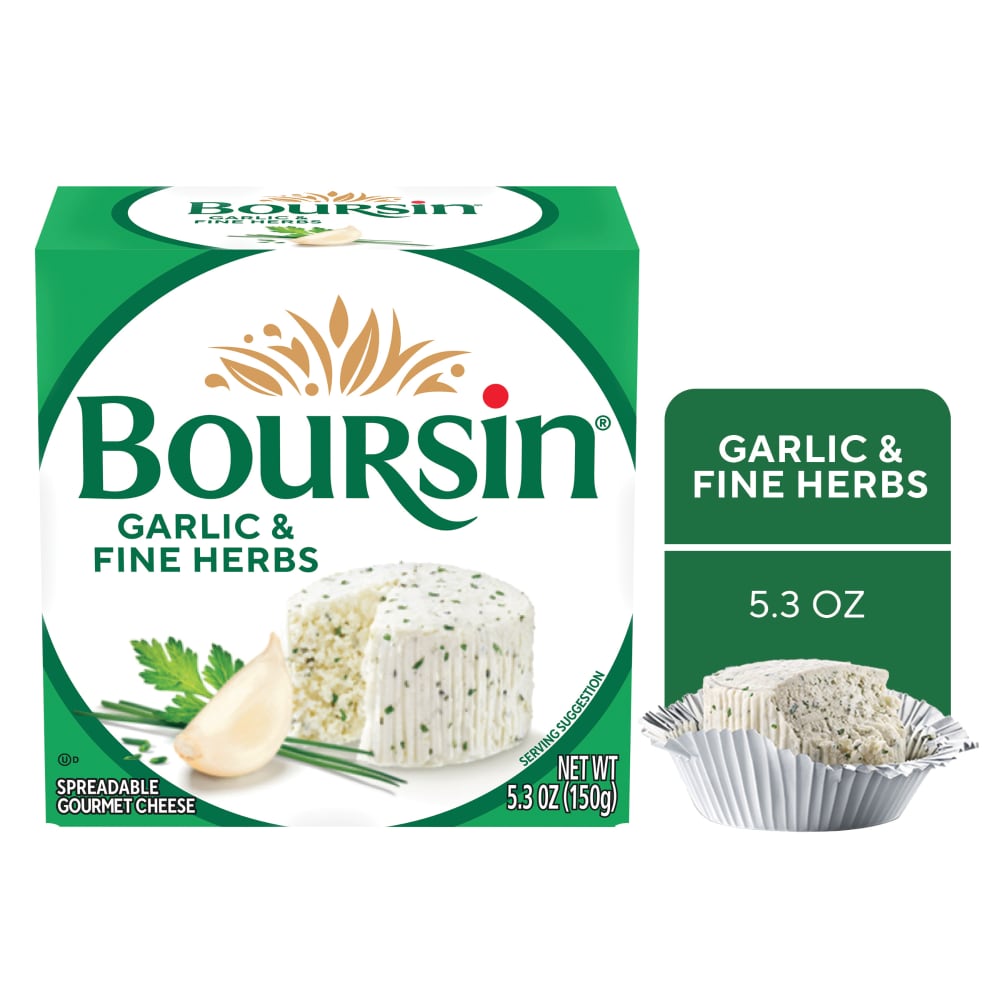

Soft Cream Cheese Spread with Chive and Onion
Analysis updated September 2026 · How Scout scores
At a glance
Summary
This cream cheese spread is ultra-processed, which limits its potential score despite having some beneficial ingredients like pasteurized milk, cream, and natural chives and onions. The presence of additives such as guar gum, xanthan gum, and natural flavor, along with the use of natamycin as a mold inhibitor, contributes to its processing level and raises concerns about ingredient transparency and potential impacts on gut health.
Key ingredients 12
Pasteurized Milk and CreamGood
Pasteurized milk and cream are primary dairy ingredients providing essential nutrients like calcium and protein. The pasteurization process ensures safety by eliminating harmful bacteria. These ingredients are foundational in cheese products, contributing to texture and flavor.
Benefits
Rich in calcium and protein, supporting bone health and muscle maintenance.
Cheese CultureGood
Cheese culture is essential for the fermentation process, contributing to the development of flavor and texture in cheese. It consists of beneficial bacteria that aid in the cheese-making process. These cultures can also support gut health.
Benefits
Supports the fermentation process and may contribute to gut health through beneficial bacteria.
ChivesGood
Chives add flavor and a mild onion-like taste to the cheese spread. They are a natural ingredient with minimal processing. Chives contain vitamins and antioxidants that can provide health benefits.
Benefits
Provides flavor and contains vitamins and antioxidants that may support overall health.
OnionsGood
Onions provide flavor and nutritional benefits, including vitamins and antioxidants. They are a natural ingredient with minimal processing. Onions can enhance the taste profile of the cheese spread.
Benefits
Rich in vitamins and antioxidants, contributing to flavor and potential health benefits.
WaterNeutral
Water is used as a solvent and to adjust the texture of the cheese spread. It is a neutral ingredient with no direct nutritional impact. Its presence helps achieve the desired consistency of the product.
See more about Water →SaltNeutral
Salt is used for flavor enhancement and preservation in cheese products. It is a common ingredient in processed foods to improve taste. While necessary in small amounts, excessive consumption can lead to health issues.
Risks
High sodium intake can contribute to hypertension and cardiovascular diseases.
Benefits
Enhances flavor and acts as a preservative in food products.
Guar GumNeutral
Guar gum is used as a thickening agent to improve the texture of the cheese spread. It is derived from guar beans and is commonly used in food processing. While generally safe, excessive consumption can cause digestive issues.
Risks
May cause digestive discomfort if consumed in large amounts.
Benefits
Improves texture and consistency of food products.
Lactic AcidNeutral
Lactic acid is used to adjust acidity and enhance flavor in cheese products. It is a naturally occurring acid in fermented foods. While generally safe, it can cause irritation in sensitive individuals.
Risks
May cause irritation in sensitive individuals.
Benefits
Enhances flavor and helps maintain acidity in food products.
Carob Bean GumNeutral
Carob bean gum is used as a thickening and stabilizing agent in food products. It is derived from the seeds of the carob tree. While generally safe, it can cause digestive issues if consumed in large quantities.
Risks
May cause digestive discomfort if consumed in large amounts.
Benefits
Improves texture and stability of food products.
Xanthan GumNeutral
Xanthan gum is a common food additive used to thicken and stabilize products. It is produced through fermentation of sugars by bacteria. While generally safe, it can cause digestive issues in some individuals.
Risks
May cause digestive discomfort in some individuals.
Benefits
Enhances texture and stability of food products.
Natural FlavorBad
Natural flavor is a vague term that can encompass a wide range of substances, potentially including additives and preservatives. It lacks transparency, making it difficult to assess its health impact. Consumers may prefer more transparent labeling.
Risks
Lack of transparency can lead to potential allergen exposure and consumer distrust.
NatamycinBad
Natamycin is a natural mold inhibitor used to extend shelf life of dairy products. While effective, its use raises concerns about potential impacts on gut microbiota. It is generally recognized as safe but may not be necessary in all products.
Risks
Potential impact on gut microbiota and unnecessary use in some products.
Benefits
Prevents mold growth, extending the shelf life of dairy products.
Processing
Ultra-Processed Foods
Get the full breakdown in the Scout appTake Scout shopping
Scan any product to see lab results, healthy alternatives, and your personalized analysis.
Download on theApp Store GET IT ONGoogle Play