
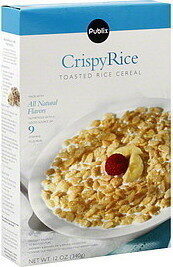


At a glance
Summary
This toasted rice cereal is moderately processed and contains added sugars, which can contribute to metabolic issues if consumed in excess. However, it is fortified with essential vitamins and minerals, enhancing its nutritional profile. The absence of harmful additives and the use of rice as a primary ingredient are positive aspects, but the processing level and sugar content limit its overall healthiness.
Key ingredients 16
RiceGood
Rice is a staple carbohydrate source that provides energy. It is minimally processed and generally well-tolerated by most individuals. As a whole grain, it can offer some fiber and essential nutrients.
Benefits
Provides a source of carbohydrates for energy and can be part of a balanced diet.
Mixed TocopherolsGood
Mixed tocopherols are a form of vitamin E used as an antioxidant to preserve freshness. They help prevent oxidation of fats and oils in food products. Vitamin E is beneficial for skin health and immune function.
Benefits
Acts as an antioxidant and supports immune health.
Sodium AscorbateGood
Sodium ascorbate is a form of vitamin C used to enhance nutritional value and preserve food. It is an antioxidant that supports immune function and skin health. It is more stable than ascorbic acid in food products.
Benefits
Supports immune function and acts as an antioxidant.
NiacinamideGood
Niacinamide is a form of vitamin B3 used to fortify foods. It supports energy metabolism and skin health. Fortification helps prevent niacin deficiency, which can lead to pellagra.
Benefits
Supports energy metabolism and skin health.
Alpha Tocopherol AcetateGood
Alpha tocopherol acetate is a stable form of vitamin E used in food fortification. It acts as an antioxidant and supports skin and immune health. This form is commonly used due to its stability in food products.
Benefits
Provides antioxidant benefits and supports immune health.
Pyridoxine HydrochlorideGood
Pyridoxine hydrochloride is a form of vitamin B6 used to fortify foods. It is essential for protein metabolism and cognitive development. Fortification helps prevent vitamin B6 deficiency.
Benefits
Supports protein metabolism and cognitive health.
Thiamine MononitrateGood
Thiamine mononitrate is a form of vitamin B1 used to fortify foods. It is essential for energy metabolism and nerve function. Fortification helps prevent thiamine deficiency, which can lead to beriberi.
Benefits
Supports energy metabolism and nerve function.
RiboflavinGood
Riboflavin is a form of vitamin B2 used to fortify foods. It is essential for energy production and cellular function. Fortification helps prevent riboflavin deficiency, which can lead to skin disorders.
Benefits
Supports energy production and cellular health.
Vitamin DGood
Vitamin D is used to fortify foods and supports bone health and immune function. It helps in the absorption of calcium and phosphorus. Fortification helps prevent vitamin D deficiency, which can lead to bone disorders.
Benefits
Supports bone health and immune function.
Vitamin B12Good
Vitamin B12 is used to fortify foods and is essential for nerve function and red blood cell formation. Fortification helps prevent vitamin B12 deficiency, which can lead to anemia and neurological issues. It is particularly important for individuals following a plant-based diet.
Benefits
Supports nerve function and prevents anemia.
SaltNeutral
Salt is used to enhance flavor and preserve food. It is a necessary nutrient but should be consumed in moderation. Excessive intake can lead to hypertension and cardiovascular issues.
Risks
High sodium intake is linked to increased blood pressure and cardiovascular risk.
Benefits
Essential for maintaining fluid balance and nerve function.
Malted Barley SyrupNeutral
Malted barley syrup is a sweetener derived from barley. It contains some vitamins and minerals but is primarily used for its sweetening properties. It is less refined than white sugar but still contributes to overall sugar intake.
Risks
May contribute to increased sugar intake and related health issues if consumed in excess.
Benefits
Provides a natural source of sweetness with some trace nutrients.
Reduced IronNeutral
Standard formulation ingredient — neither beneficial nor harmful at typical use.
Risks
Excessive iron intake can lead to toxicity, but this is rare from fortified foods alone.
Benefits
Prevents iron deficiency and supports healthy blood function.
Vitamin A PalmitateNeutral
Standard formulation ingredient — neither beneficial nor harmful at typical use.
Risks
Excessive intake can lead to toxicity, but this is rare from fortified foods alone.
Benefits
Supports vision and immune health.
Folic AcidNeutral
Standard formulation ingredient — neither beneficial nor harmful at typical use.
Benefits
Supports DNA synthesis and prevents birth defects.
SugarBad
Refined sugar is associated with increased risk of obesity and metabolic disorders. It is a high-calorie ingredient with no essential nutrients. Excessive consumption can lead to dental issues and blood sugar spikes.
Risks
High intake of refined sugar can contribute to obesity, diabetes, and heart disease.
Benefits
Provides quick energy but lacks nutritional benefits.
Processing
Processed Foods
Get the full breakdown in the Scout appTake Scout shopping
Scan any product to see lab results, healthy alternatives, and your personalized analysis.
Download on theApp Store GET IT ONGoogle Play