



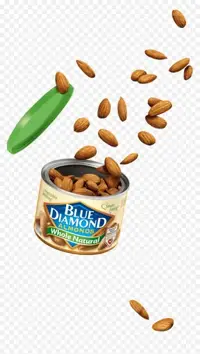

Blue Diamond Artisan Cracker Snacks
Analysis updated April 2026 · How Scout scores
At a glance
Summary
This product contains several beneficial ingredients such as almonds, brown rice, and sesame seeds, which contribute to its nutritional value. However, the presence of safflower oil, dried cane syrup, and natural flavors raises concerns due to their potential health impacts and lack of transparency. Additionally, the product is highly processed, which limits its overall healthiness despite the inclusion of some whole-food ingredients.
Key ingredients 11
AlmondsVery Good
Almonds are nutrient-dense nuts rich in healthy fats, protein, and vitamin E. They provide antioxidants and support heart health. Their inclusion in snacks adds a crunchy texture and nutritional benefits.
Risks
Potential allergen for individuals with nut allergies.
Benefits
High in monounsaturated fats and vitamin E, promoting heart health and providing antioxidant benefits.
Brown rice flourGood
Brown rice flour is a whole grain flour that retains the bran and germ, providing more nutrients than refined flours. It is a good source of fiber and essential minerals like magnesium. Its use in crackers adds nutritional value and a nutty flavor.
Benefits
Rich in fiber and essential minerals, supporting digestive health and providing a source of complex carbohydrates.
Brown riceGood
Brown rice is a whole grain that retains its nutrient-rich bran and germ. It is a good source of fiber, vitamins, and minerals. Its inclusion in snacks contributes to a healthier carbohydrate profile.
Benefits
Provides fiber and essential nutrients, supporting digestive health and offering a source of complex carbohydrates.
Sesame seedsGood
Sesame seeds are rich in healthy fats, protein, and minerals like calcium and magnesium. They provide antioxidants and support bone health. Their use in snacks adds flavor and nutritional benefits.
Risks
Potential allergen for individuals with sesame allergies.
Benefits
High in healthy fats and minerals, supporting heart and bone health.
Black sesame seedsGood
Black sesame seeds are similar to regular sesame seeds but contain higher levels of antioxidants. They are rich in healthy fats and minerals, supporting overall health. Their inclusion adds flavor and nutritional benefits.
Risks
Potential allergen for individuals with sesame allergies.
Benefits
Rich in antioxidants and healthy fats, supporting heart health and providing nutritional benefits.
Sea saltGood
Unrefined sea salt — a minimally processed, natural source of sodium and essential trace minerals, and a legitimate whole-food seasoning. Treated as a positive ingredient.
Risks
Excessive consumption may contribute to high blood pressure.
Benefits
Contains trace minerals and enhances flavor in foods.
Potato starchNeutral
Potato starch is a refined carbohydrate used as a thickening agent in foods. It is gluten-free and provides a smooth texture. While it adds no significant nutrients, it is a common ingredient in gluten-free products.
Benefits
Provides a gluten-free alternative for thickening and texture enhancement in food products.
Oat fiberNeutral
Oat fiber is a source of dietary fiber extracted from oats. It is used to increase fiber content in foods without adding calories. While it aids in digestion, it does not provide significant nutrients.
Benefits
Contributes to dietary fiber intake, supporting digestive health.
Dried cane syrupBad
Dried cane syrup is a form of refined sugar used as a sweetener. It contributes to added sugars in the diet, which can lead to health issues like obesity and diabetes. Its use in snacks is concerning due to its impact on blood sugar levels.
Risks
Contributes to added sugars, which can lead to obesity and diabetes.
Natural flavorsBad
Natural flavors are a catch-all term for flavoring agents derived from natural sources but often processed. They can contain a variety of chemicals and additives. Their use is concerning due to lack of transparency and potential allergens.
Risks
May contain allergens and additives; lack of transparency in ingredient composition.
Safflower oilVery Bad
Safflower oil is a seed oil high in omega-6 fatty acids, which can promote inflammation when consumed in excess. It is often highly processed, reducing its nutritional quality. Its use in foods is concerning due to potential health impacts.
Risks
High omega-6 content may promote inflammation when consumed in excess.
Processing
Ultra-Processed Foods
Get the full breakdown in the Scout appTake Scout shopping
Scan any product to see lab results, healthy alternatives, and your personalized analysis.
Download on theApp Store GET IT ONGoogle PlayAmazon pricing & content
Amazon price as of . Product prices and availability are accurate as of the date/time indicated and are subject to change. Any price and availability information displayed on Amazon.com at the time of purchase will apply to the purchase of this product.
CERTAIN CONTENT THAT APPEARS ON THIS SITE COMES FROM AMAZON. THIS CONTENT IS PROVIDED “AS IS” AND IS SUBJECT TO CHANGE OR REMOVAL AT ANY TIME.