
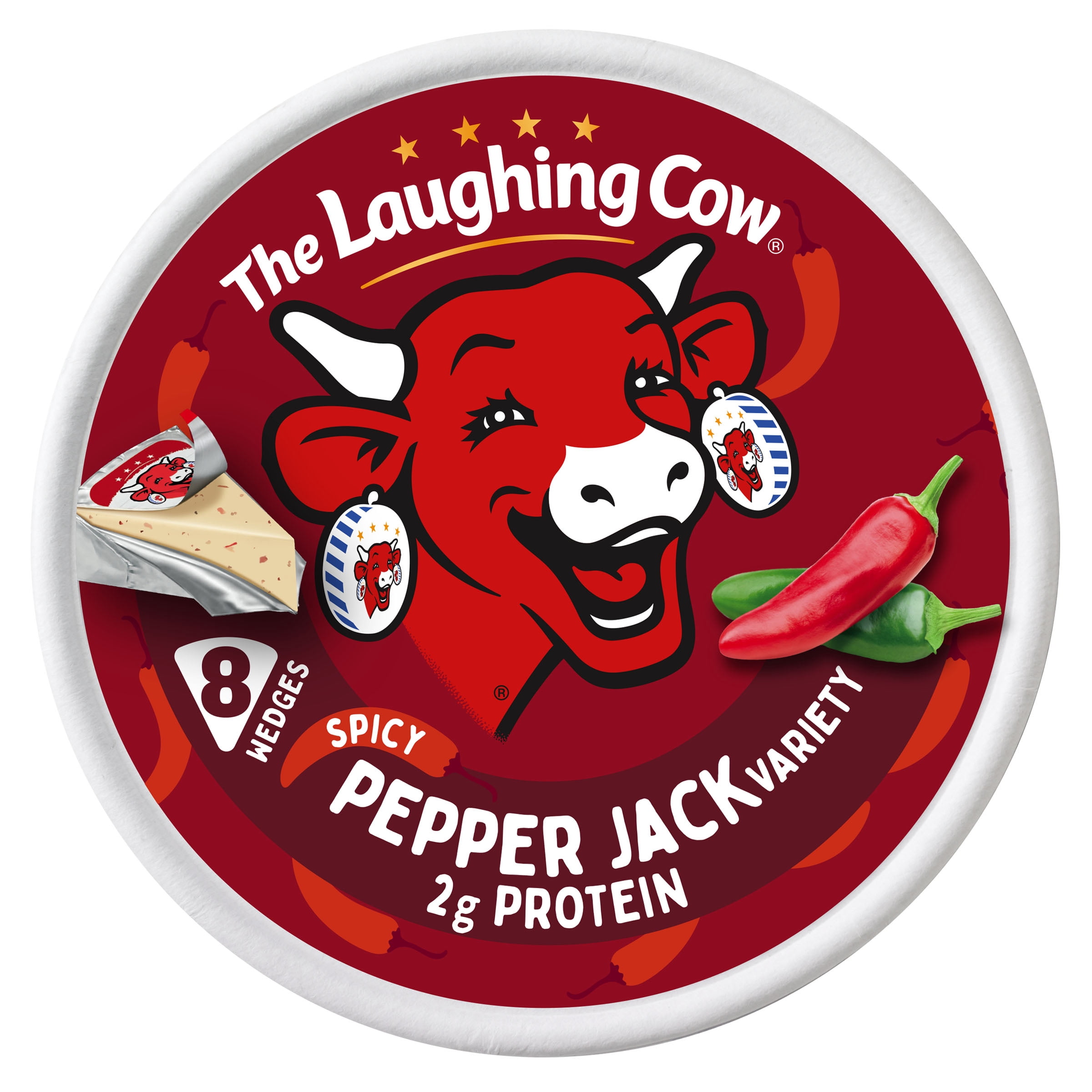



The Laughing Cow Spicy Pepper Jack Variety Spreadable Cheese Wedges
Analysis updated August 2026 · How Scout scores
At a glance
Summary
This spreadable cheese is ultra-processed, which limits its score despite containing beneficial ingredients like cheddar and Monterey Jack cheese, whey, and jalapeno peppers. The presence of sodium polyphosphate, a synthetic additive, contributes to high sodium intake and potential health concerns. The product's processing level and use of additives prevent it from achieving a higher rating.
Key ingredients 13
Cheddar cheeseGood
Cheddar cheese is a source of high-quality protein and calcium. It is made from cultured milk, salt, and enzymes, which are traditional cheese-making ingredients. The fermentation process enhances its nutritional profile.
Risks
Contains lactose, which may cause digestive issues for lactose-intolerant individuals.
Benefits
Provides essential nutrients like calcium and protein, supporting bone health and muscle maintenance.
Semisoft cheeseGood
Semisoft cheese offers a creamy texture and is a good source of calcium and protein. It is made from pasteurized milk, salt, and enzymes, maintaining traditional cheese-making practices. The moderate fat content contributes to its rich flavor.
Risks
May contain lactose, which can be problematic for those with lactose intolerance.
Benefits
Rich in calcium and protein, supporting bone health and providing a satiating effect.
Monterey Jack cheeseGood
Monterey Jack cheese is known for its mild flavor and creamy texture. It is made from pasteurized milk, salt, and enzymes, adhering to traditional cheese-making methods. The cheese is a good source of calcium and protein.
Risks
Contains lactose, which may not be suitable for lactose-intolerant individuals.
Benefits
Provides essential nutrients like calcium and protein, beneficial for bone health and muscle function.
Milk protein concentrateGood
Beneficial ingredient — whole-food or functional value in this product class.
Risks
May contain lactose, which can cause issues for lactose-intolerant individuals.
Benefits
Increases the protein content of the product, supporting muscle maintenance and repair.
WheyNeutral
Whey is a byproduct of cheese production and a source of protein. It is often used to enhance the protein content of foods. While it is beneficial for muscle repair, it is not a complete protein source on its own.
Risks
May cause digestive discomfort in individuals with lactose intolerance.
Benefits
Contributes to the protein content of the product, supporting muscle repair and growth.
WaterNeutral
Water is used as a solvent and to adjust the texture of the cheese spread. It is a neutral ingredient with no nutritional impact. Its presence helps achieve the desired consistency of the product.
See more about Water →Skim milkNeutral
Skim milk is used to reduce the fat content while providing calcium and protein. It is a low-fat dairy option that retains essential nutrients. Its use helps balance the nutritional profile of the product.
Risks
Contains lactose, which may not be suitable for lactose-intolerant individuals.
Benefits
Provides calcium and protein with reduced fat content, supporting bone health.
Tricalcium phosphateNeutral
Tricalcium phosphate is used as a calcium supplement and anti-caking agent. It is a source of calcium, but its bioavailability can vary. It is commonly added to fortify foods with calcium.
Risks
Excessive intake may lead to imbalances in calcium and phosphorus levels.
Benefits
Provides additional calcium, supporting bone health and preventing deficiencies.
Dried green and red jalapeno peppersNeutral
Dried jalapeno peppers add flavor and spice to the product. They are a natural ingredient that contributes to the taste profile. While they add flavor, they do not significantly impact the nutritional value.
Risks
May cause irritation or discomfort for individuals sensitive to spicy foods.
Benefits
Enhances the flavor profile with natural spice, adding variety to the taste.
Citric acidNeutral
Citric acid is used as a preservative and flavor enhancer. It is a naturally occurring acid found in citrus fruits. Its use helps maintain the freshness and flavor of the product.
Benefits
Helps preserve the product and enhance its flavor without significant health concerns.
CholecalciferolNeutral
Cholecalciferol, or Vitamin D3, is added to fortify the product with vitamin D. It is essential for calcium absorption and bone health. While beneficial, it is a synthetic addition to the product.
Risks
Excessive intake can lead to vitamin D toxicity, but this is rare in fortified foods.
Benefits
Supports bone health by enhancing calcium absorption and maintaining adequate vitamin D levels.
Vitamin A acetateNeutral
Vitamin A acetate is used to fortify foods with vitamin A. It is important for vision and immune function. As a synthetic form of vitamin A, it helps prevent deficiencies.
Risks
Excessive intake can lead to hypervitaminosis A, but this is unlikely from fortified foods.
Benefits
Supports vision and immune health by providing essential vitamin A.
Sodium polyphosphateBad
Sodium polyphosphate is used as an emulsifier and stabilizer in processed foods. It is a synthetic additive that can affect mineral absorption. Its use is common in processed cheese products to maintain texture.
Risks
May interfere with the absorption of essential minerals like calcium and iron.
Benefits
Helps maintain the texture and consistency of processed cheese products.
Processing
Ultra-Processed Foods
Get the full breakdown in the Scout appTake Scout shopping
Scan any product to see lab results, healthy alternatives, and your personalized analysis.
Download on theApp Store GET IT ONGoogle PlayAmazon pricing & content
Amazon price as of . Product prices and availability are accurate as of the date/time indicated and are subject to change. Any price and availability information displayed on Amazon.com at the time of purchase will apply to the purchase of this product.
CERTAIN CONTENT THAT APPEARS ON THIS SITE COMES FROM AMAZON. THIS CONTENT IS PROVIDED “AS IS” AND IS SUBJECT TO CHANGE OR REMOVAL AT ANY TIME.