
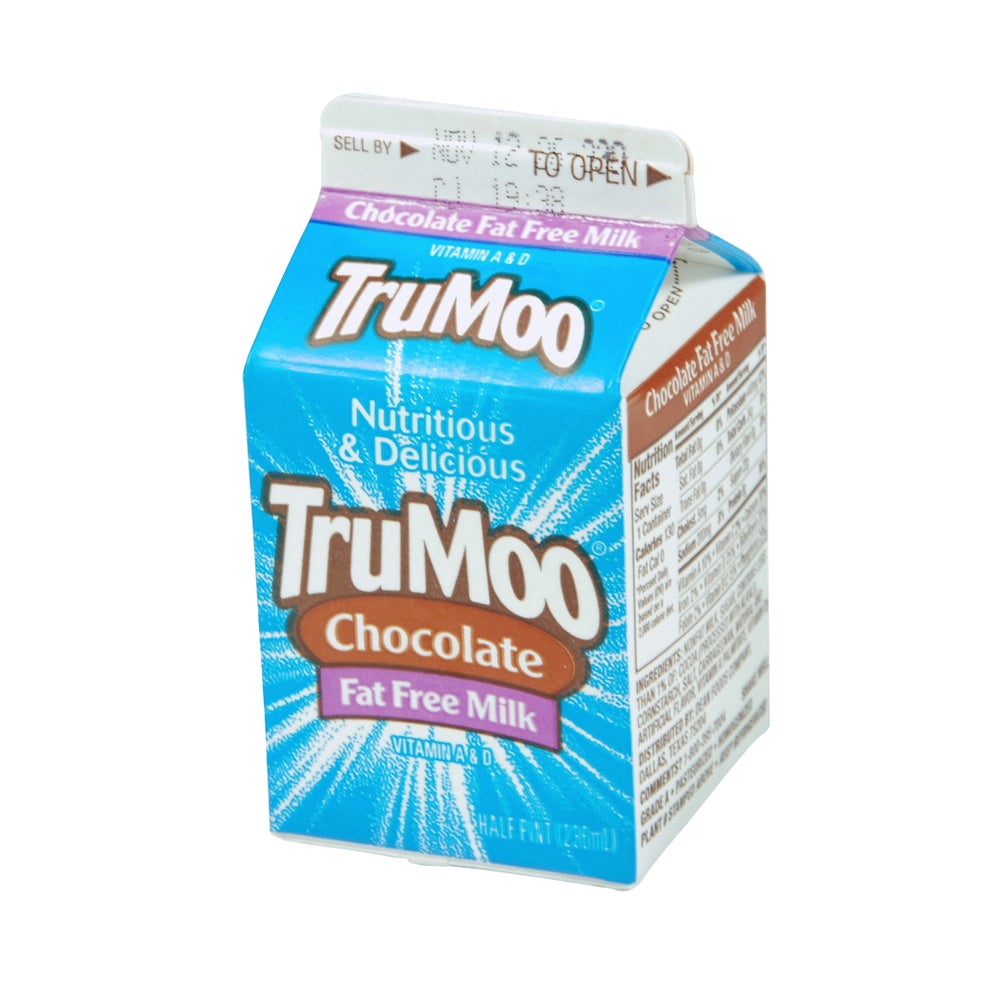



At a glance
Summary
This chocolate milk is heavily processed, containing several additives such as carrageenan and natural flavors, which can raise health concerns. While it includes beneficial ingredients like milk and cocoa, the presence of liquid sugar and the high level of processing significantly impact its healthiness. The combination of added sugars and emulsifiers further detracts from its nutritional profile, despite some redeeming qualities from its dairy content.
Key ingredients 13
MilkGood
Milk is a primary source of calcium and vitamin D, essential for bone health. It provides a complete protein profile with all essential amino acids. The presence of natural fats and sugars makes it a balanced nutritional component.
Risks
Potential lactose intolerance or milk allergy in some individuals.
Benefits
Rich in calcium and vitamin D, supporting bone health and muscle function. Provides high-quality protein and essential nutrients.
CocoaGood
Cocoa is rich in flavonoids, which have antioxidant properties that may support heart health. It can improve mood and cognitive function due to its theobromine and caffeine content. The processing of cocoa retains beneficial compounds when minimally processed.
Risks
May contain caffeine, which can cause sensitivity in some individuals.
Benefits
Contains antioxidants that support cardiovascular health and may improve mood and cognitive function.
Vitamin D3Good
Vitamin D3 is crucial for calcium absorption and bone health. It supports immune function and has been linked to mood regulation. Fortification in foods helps prevent deficiencies, especially in populations with limited sun exposure.
Benefits
Enhances calcium absorption and supports bone health and immune function.
CreamGood
Traditional whole-fat dairy ingredient.
Risks
High in saturated fats, which may contribute to cardiovascular issues if consumed in excess.
Benefits
Provides fat-soluble vitamins and enhances flavor and texture.
Milk Protein ConcentrateGood
Milk protein concentrate is a high-quality protein source with all essential amino acids. It supports muscle repair and growth. The concentration process retains beneficial nutrients found in milk.
Risks
Potential lactose intolerance or milk allergy in some individuals.
Benefits
Rich in high-quality protein that supports muscle health and repair.
Corn StarchNeutral
Corn starch is used as a thickening agent in food products. It is a refined carbohydrate with minimal nutritional value. While it provides texture, it does not contribute significant health benefits.
See more about Corn Starch →SaltNeutral
Salt is used to enhance flavor and preserve food. It is essential for maintaining fluid balance and nerve function. However, excessive intake can lead to health issues.
Risks
High sodium intake can increase the risk of hypertension and cardiovascular disease.
Benefits
Essential for fluid balance and nerve function in the body.
Nonfat MilkNeutral
Standard formulation ingredient — neither beneficial nor harmful at typical use.
Risks
Potential lactose intolerance or milk allergy in some individuals.
Benefits
Provides protein and essential nutrients with reduced calorie content due to lower fat.
Dipotassium PhosphateNeutral
Dipotassium phosphate is used as a stabilizer and emulsifier in food products. It helps maintain texture and consistency. While generally recognized as safe, it provides no nutritional benefits.
See more about Dipotassium Phosphate →Gellan GumNeutral
Gellan gum is a gelling agent used to stabilize and thicken food products. It is derived from bacterial fermentation and is considered safe for consumption. It provides texture without contributing nutritional value.
See more about Gellan Gum →Liquid SugarBad
Liquid sugar is a refined sweetener that contributes to increased calorie intake without nutritional benefits. It can lead to spikes in blood sugar levels and potential weight gain. Excessive consumption is linked to metabolic disorders.
Risks
High intake may increase the risk of obesity, type 2 diabetes, and dental cavities.
CarrageenanBad
Carrageenan is a thickening agent derived from seaweed, often used in processed foods. It has been associated with gastrointestinal inflammation in some studies. Its use in food products is controversial due to potential digestive issues.
Risks
May cause digestive discomfort or inflammation in sensitive individuals.
Natural FlavorBad
Natural flavors are additives used to enhance taste, but their exact composition is often undisclosed. They can contain a variety of chemical compounds, leading to potential health concerns. The lack of transparency makes it difficult to assess their safety fully.
Risks
Potential for allergic reactions or sensitivities due to undisclosed ingredients.
Processing
Ultra-Processed Foods
Get the full breakdown in the Scout appTake Scout shopping
Scan any product to see lab results, healthy alternatives, and your personalized analysis.
Download on theApp Store GET IT ONGoogle Play