
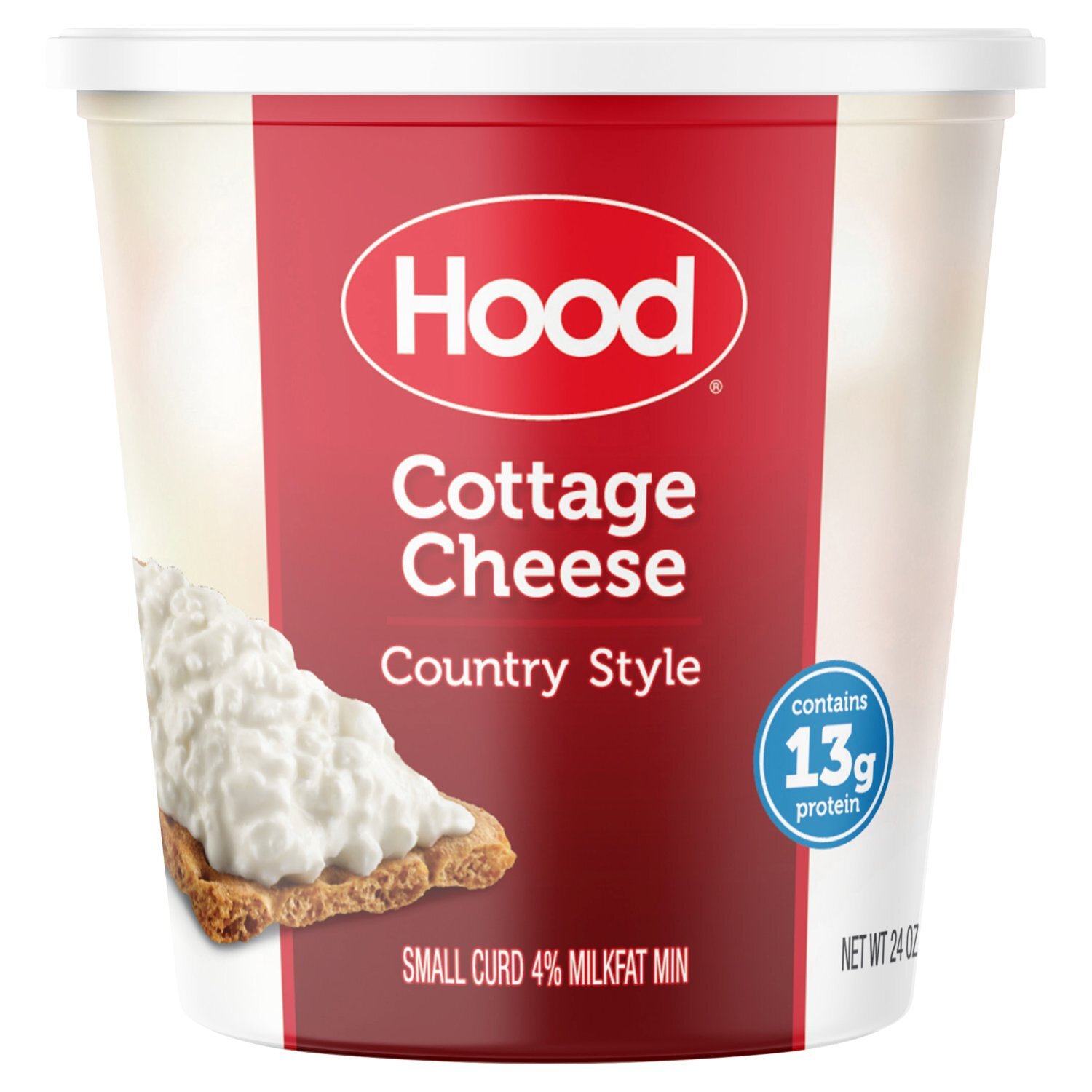


COUNTRY STYLE COTTAGE CHEESE, COUNTRY STYLE
Analysis updated September 2026 · How Scout scores
At a glance
Summary
This cottage cheese is ultra-processed, containing multiple additives such as xanthan gum, locust bean gum, and sorbic acid, which are used to maintain texture and freshness. While it includes beneficial whey protein concentrate, the presence of natural flavors and synthetic preservatives detracts from its overall healthiness. The processing level and additive content limit its score despite its protein content.
Key ingredients 11
Whey Protein ConcentrateGood
Whey protein concentrate is a high-quality protein source with a complete amino acid profile. It supports muscle growth and repair. Derived from milk, it is a beneficial addition for those seeking to increase protein intake.
Risks
May cause digestive issues for those with lactose intolerance.
Benefits
Excellent source of protein, aiding in muscle repair and growth.
Cultured Pasteurized Skim MilkNeutral
Cultured pasteurized skim milk is a common base for cottage cheese, providing protein and calcium. The pasteurization process ensures safety by eliminating harmful bacteria. However, it lacks the fat content found in whole milk, which may reduce its nutritional richness.
Benefits
Provides a source of protein and calcium, essential for bone health.
Milk And CreamNeutral
Milk and cream add richness and flavor to the cheese, contributing to its creamy texture. They provide essential nutrients like calcium and vitamin D. However, the fat content may be a concern for those monitoring their saturated fat intake.
Risks
High in saturated fats, which may impact heart health if consumed in excess.
Benefits
Rich in calcium and vitamin D, supporting bone health and providing a creamy texture.
SaltNeutral
Salt is used to enhance flavor and preserve the cheese. It is a necessary component in cheese-making for taste and texture. However, excessive sodium intake can lead to health issues such as hypertension.
Risks
High sodium intake can contribute to hypertension and cardiovascular issues.
Benefits
Enhances flavor and acts as a preservative in cheese.
WheyNeutral
Whey is a byproduct of cheese production, rich in protein and lactose. It contributes to the nutritional profile of the cheese. However, it may not be suitable for those with lactose intolerance.
Risks
Contains lactose, which may cause issues for lactose-intolerant individuals.
Benefits
Provides additional protein and nutrients.
Xanthan GumNeutral
Xanthan gum is a common thickening agent used to improve texture. It is derived from fermented sugars and is generally recognized as safe. However, excessive consumption may lead to digestive discomfort.
Risks
May cause digestive issues like bloating or gas in sensitive individuals.
Benefits
Improves texture and stability of the product.
Locust Bean GumNeutral
Locust bean gum is a natural thickener derived from carob seeds. It is used to stabilize and thicken food products. While generally safe, it may cause digestive issues in large amounts.
Risks
Excessive consumption may lead to digestive discomfort.
Benefits
Acts as a natural thickener and stabilizer.
Guar GumNeutral
Guar gum is a fiber from guar beans used to thicken and stabilize foods. It is effective in small amounts and generally safe. However, it can cause digestive issues if consumed in large quantities.
Risks
May cause digestive issues such as gas or bloating in sensitive individuals.
Benefits
Provides thickening and stabilizing properties to the product.
Carbon DioxideNeutral
Carbon dioxide is used to maintain freshness by inhibiting microbial growth. It is a natural component of the atmosphere and generally recognized as safe. Its use in food products is primarily for preservation purposes.
Benefits
Helps maintain freshness and prevent spoilage.
Natural FlavorBad
Natural flavors are added to enhance taste but lack transparency in their composition. They are often highly processed and can contain a variety of undisclosed ingredients. This lack of clarity can be concerning for those with allergies or sensitivities.
Risks
Potential allergen risk due to undisclosed ingredients.
Benefits
Enhances the flavor profile of the product.
Sorbic AcidBad
Sorbic acid is a preservative used to prevent mold and yeast growth. While effective, it is a synthetic additive that some consumers prefer to avoid. Long-term consumption of preservatives may have unknown health impacts.
Risks
Potential allergen and may cause irritation in sensitive individuals.
Benefits
Prevents spoilage and extends shelf life of the product.
Processing
Ultra-Processed Foods
Get the full breakdown in the Scout appTake Scout shopping
Scan any product to see lab results, healthy alternatives, and your personalized analysis.
Download on theApp Store GET IT ONGoogle Play