



At a glance
Summary
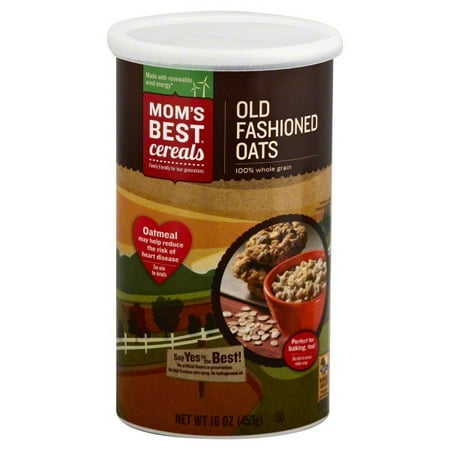
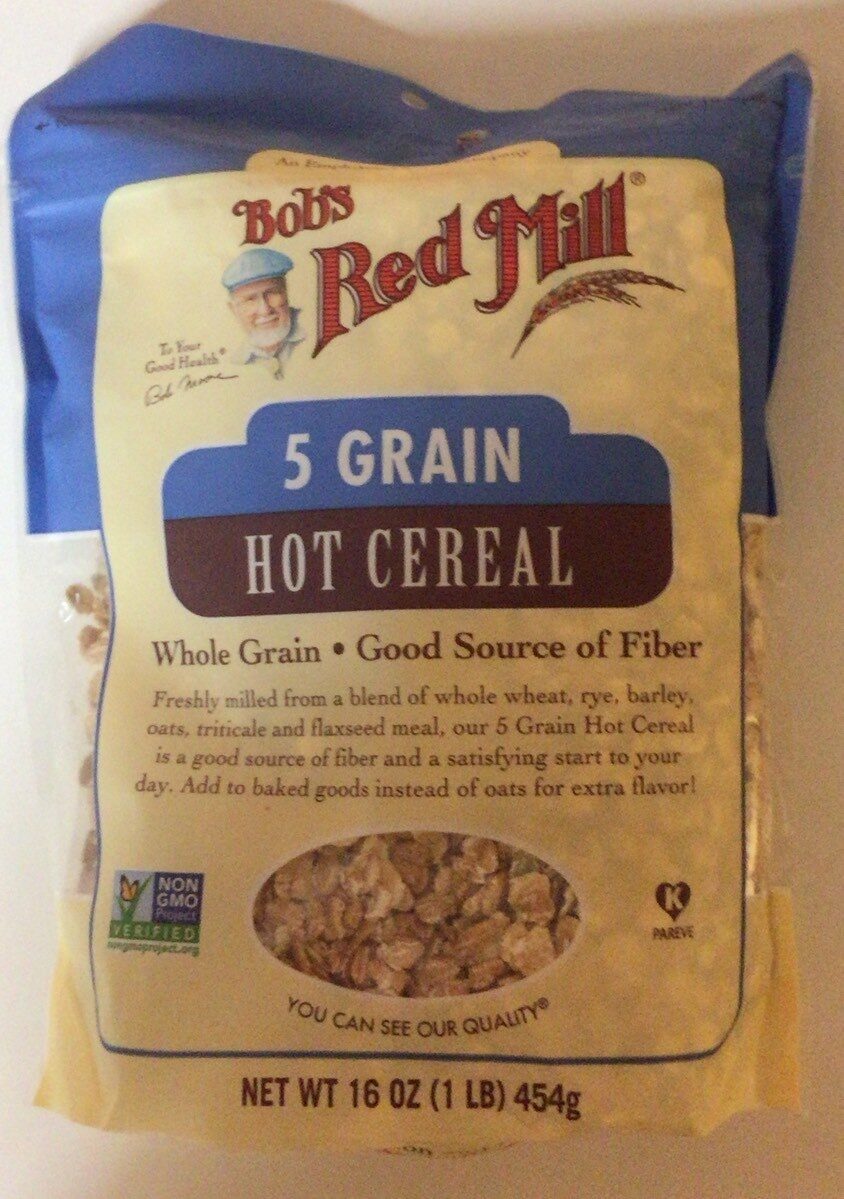
This cereal contains whole oat flour, which is a beneficial ingredient providing fiber and nutrients. However, it is ultra-processed with additives like modified corn starch and tripotassium phosphate, which can impact health negatively. The presence of sugar and the processing level limit its overall healthiness despite some fortification with vitamins and minerals.
Key ingredients 22
Whole oat flourGood
Whole oat flour is a whole grain ingredient that provides dietary fiber and essential nutrients. It is minimally processed, retaining its natural bran and germ. This contributes to heart health and aids in digestion.
Benefits
Rich in beta-glucans, which can help lower cholesterol levels and improve heart health.
Oat fiberGood
Oat fiber is a natural source of dietary fiber that aids in digestion and promotes satiety. It is minimally processed and retains its beneficial properties. It can help regulate blood sugar levels and support heart health.
Benefits
Promotes digestive health and helps maintain healthy cholesterol levels.
TocopherolsGood
Tocopherols are a form of vitamin E used as natural antioxidants in food preservation. They help prevent oxidation and extend shelf life. They also provide health benefits by protecting cells from oxidative damage.
Benefits
Acts as an antioxidant, supporting immune function and skin health.
Vitamin CGood
Vitamin C is an essential nutrient that supports immune function and collagen synthesis. It is added to foods to enhance nutritional value and prevent scurvy. It also acts as an antioxidant, protecting cells from damage.
Benefits
Supports immune health and acts as an antioxidant.
NiacinamideGood
Niacinamide is a form of vitamin B3 used to fortify foods and support energy metabolism. It is water-soluble and plays a role in DNA repair and skin health. It is commonly added to cereals to enhance nutritional value.
Benefits
Supports energy production and skin health.
Zinc oxideGood
Zinc oxide is a form of zinc used to fortify foods and support immune function. It is a bioavailable form that is easily absorbed by the body. It is essential for wound healing and DNA synthesis.
Risks
Excessive intake can lead to zinc toxicity, causing nausea and immune dysfunction.
Benefits
Supports immune health and wound healing.
Vitamin B6 pyridoxine hydrochlorideGood
Vitamin B6 pyridoxine hydrochloride is a form of vitamin B6 used to fortify foods and support brain health. It is water-soluble and plays a role in neurotransmitter synthesis. It is essential for cognitive function and mood regulation.
Benefits
Supports brain health and neurotransmitter synthesis.
Vitamin B2 riboflavinGood
Vitamin B2 riboflavin is a form of vitamin B2 used to fortify foods and support energy metabolism. It is water-soluble and plays a role in cellular respiration. It is essential for maintaining healthy skin and eyes.
Benefits
Supports energy production and skin health.
Vitamin D cholecalciferolGood
Vitamin D cholecalciferol is a form of vitamin D used to fortify foods and support bone health. It is fat-soluble and plays a role in calcium absorption. It is essential for maintaining healthy bones and immune function.
Risks
Excessive intake can lead to hypercalcemia and kidney damage.
Benefits
Supports bone health and calcium absorption.
Vitamin B1 thiamine hydrochlorideGood
Vitamin B1 thiamine hydrochloride is a form of vitamin B1 used to fortify foods and support energy metabolism. It is water-soluble and plays a role in carbohydrate metabolism. It is essential for maintaining healthy nerves and muscles.
Benefits
Supports energy production and nerve health.
Vitamin B12 cyanocobalaminGood
Vitamin B12 cyanocobalamin is a form of vitamin B12 used to fortify foods and support nerve health. It is water-soluble and plays a role in red blood cell formation. It is essential for maintaining healthy nerves and preventing anemia.
Benefits
Supports nerve health and red blood cell formation.
Modified corn starchNeutral
Modified corn starch is used as a thickening agent and stabilizer in processed foods. It undergoes chemical or physical modifications to enhance its properties. While it provides no significant nutritional benefits, it is generally considered safe for consumption.
Risks
May cause digestive issues in sensitive individuals when consumed in large amounts.
Wheat starchNeutral
Wheat starch is a carbohydrate extracted from wheat and used as a thickener or stabilizer. It is highly processed and lacks significant nutritional value. It is gluten-free, making it suitable for those with gluten sensitivities.
Risks
May cause allergic reactions in individuals with wheat allergies.
SaltNeutral
Salt is used to enhance flavor and preserve food. It is a natural mineral that is essential for maintaining fluid balance and nerve function. However, excessive intake can lead to health issues.
Risks
High sodium intake is associated with increased risk of hypertension and cardiovascular diseases.
Benefits
Essential for maintaining electrolyte balance and proper muscle function.
Calcium carbonateNeutral
Standard formulation ingredient — neither beneficial nor harmful at typical use.
Risks
Excessive intake can lead to hypercalcemia and kidney stones.
Benefits
Supports bone health and helps prevent calcium deficiency.
Annatto extractNeutral
Annatto extract is a natural coloring agent derived from the seeds of the achiote tree. It is used to impart a yellow or orange color to foods. It is considered safe and is a natural alternative to synthetic dyes.
Risks
May cause allergic reactions in sensitive individuals.
Benefits
Provides natural color without the use of synthetic dyes.
Sodium ascorbateNeutral
Sodium ascorbate is a form of vitamin C used as an antioxidant and preservative. It is less acidic than ascorbic acid, making it suitable for sensitive individuals. It helps maintain the freshness and color of foods.
Benefits
Provides vitamin C benefits with reduced acidity.
Reduced ironNeutral
Standard formulation ingredient — neither beneficial nor harmful at typical use.
Risks
Excessive intake can lead to iron overload and toxicity.
Benefits
Supports the production of red blood cells and prevents anemia.
Vitamin A palmitateNeutral
Standard formulation ingredient — neither beneficial nor harmful at typical use.
Risks
Excessive intake can lead to hypervitaminosis A, causing liver damage and other health issues.
Benefits
Supports vision, immune function, and skin health.
Folic acidNeutral
Standard formulation ingredient — neither beneficial nor harmful at typical use.
Risks
Excessive intake can mask vitamin B12 deficiency symptoms.
Benefits
Supports cell division and prevents birth defects.
SugarBad
Sugar is a refined sweetener that contributes to the overall sugar content of the product. It is highly processed and can lead to health issues when consumed in excess. It provides quick energy but lacks essential nutrients.
Risks
Excessive consumption can lead to obesity, diabetes, and dental problems.
Benefits
Provides a quick source of energy but should be consumed in moderation.
Tripotassium phosphateBad
Tripotassium phosphate is an additive used to regulate acidity and improve texture. It is a synthetic compound that can have laxative effects when consumed in large amounts. It is generally recognized as safe but should be consumed in moderation.
Risks
Excessive consumption may lead to digestive issues and imbalances in mineral levels.
Processing
Ultra-Processed Foods
Get the full breakdown in the Scout appTake Scout shopping
Scan any product to see lab results, healthy alternatives, and your personalized analysis.
Download on theApp Store GET IT ONGoogle Play