
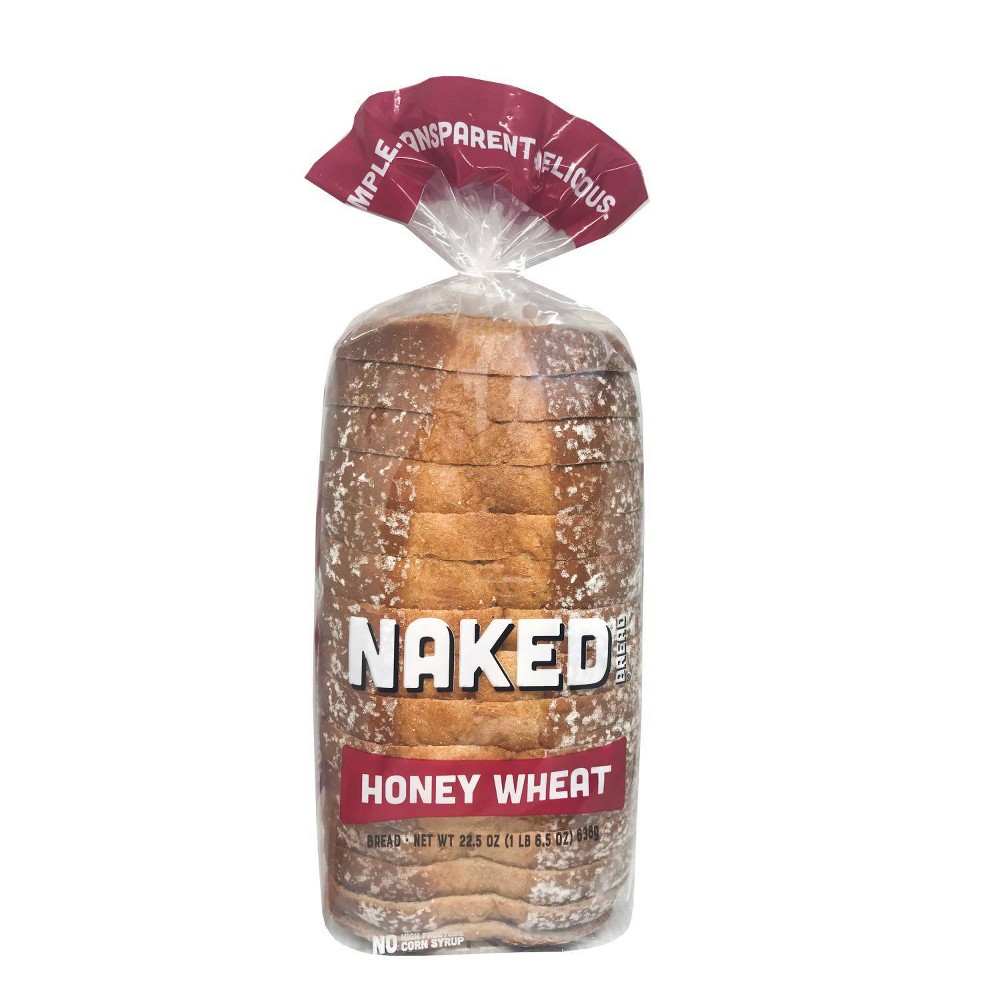


Naked Bread Honey Wheat Sandwich Bread - 22.5oz
Analysis updated August 2026 · How Scout scores
At a glance
Summary
This bread contains beneficial ingredients like whole wheat flour, honey, and salted butter, which contribute to its nutritional value. However, it also includes refined sugar, which is highly processed and can lead to health issues when consumed in excess. The product is moderately processed, which limits its score, but the overall ingredient quality is relatively clean compared to more heavily processed alternatives.
Key ingredients 13
Whole Wheat FlourVery Good
Whole wheat flour is a whole grain ingredient that retains all parts of the grain, providing fiber and essential nutrients. It is minimally processed, which helps preserve its nutritional value. Compared to refined flours, it offers more vitamins, minerals, and antioxidants.
Benefits
Rich in dietary fiber, which supports digestive health and helps maintain stable blood sugar levels. Provides essential nutrients like B vitamins and iron.
Malted Barley FlourGood
Malted barley flour is used to enhance flavor and improve the texture of baked goods. It contains enzymes that help break down starches into sugars, aiding fermentation. It is minimally processed and adds a natural sweetness.
Benefits
Enhances flavor and texture of bread while providing natural sweetness and aiding fermentation.
HoneyGood
Honey is a natural sweetener with antioxidant properties and a lower glycemic index than refined sugar. It is less processed and retains some beneficial compounds. It adds flavor and moisture to baked goods.
Risks
Should be consumed in moderation due to its sugar content.
Benefits
Contains antioxidants and provides a natural source of sweetness with some nutritional benefits.
Salted ButterGood
Salted butter is a natural fat that adds flavor and richness to baked goods. It is minimally processed and provides fat-soluble vitamins like A and D. Compared to margarine, it is less processed and free from trans fats.
Risks
High in saturated fat, which should be consumed in moderation.
Benefits
Adds flavor and provides fat-soluble vitamins, contributing to the overall taste and texture of bread.
Ascorbic AcidGood
Ascorbic acid, also known as vitamin C, is used as a dough conditioner to improve bread texture. It is a natural antioxidant that helps strengthen gluten. It is minimally processed and adds nutritional value.
Benefits
Acts as an antioxidant and improves dough strength and texture.
Distilled VinegarGood
Distilled vinegar is used as a natural preservative and flavor enhancer in bread. It is minimally processed and helps extend shelf life. It also contributes to the acidity, improving dough stability.
Benefits
Acts as a natural preservative and enhances flavor while improving dough stability.
WaterNeutral
Water is a neutral ingredient used as a solvent and to provide moisture in bread. It is essential for the dough formation and baking process. Water itself does not contribute any nutritional value.
See more about Water →Enriched Unbleached Wheat FlourNeutral
Enriched unbleached wheat flour is refined flour that has been fortified with vitamins and minerals. While it lacks the fiber of whole wheat flour, enrichment helps restore some nutrients lost during processing. It is commonly used in bread for its baking properties.
Risks
May contribute to rapid blood sugar spikes due to its refined nature.
Benefits
Provides essential nutrients like iron and B vitamins due to enrichment.
Vital Wheat GlutenNeutral
Vital wheat gluten is a concentrated protein derived from wheat, used to improve the elasticity and chewiness of bread. It is a processed ingredient but is commonly used in baking to enhance texture. It is not suitable for those with gluten intolerance or celiac disease.
Risks
May cause adverse reactions in individuals with gluten sensitivity or celiac disease.
Benefits
Improves bread texture and provides additional protein content.
YeastNeutral
Yeast is a microorganism used in baking to ferment dough, causing it to rise. It is a natural ingredient essential for bread making. Yeast itself does not provide significant nutritional benefits.
Benefits
Essential for fermentation and leavening in bread making.
SaltNeutral
Salt is used to enhance flavor and control yeast activity in bread. It is a refined ingredient with no additional nutritional benefits. Excessive consumption can lead to health issues.
Risks
High sodium intake may contribute to hypertension and cardiovascular issues.
Benefits
Enhances flavor and plays a role in dough fermentation.
EnzymesNeutral
Enzymes are used in baking to improve dough handling and texture. They are natural proteins that catalyze biochemical reactions. Enzymes are typically added in small amounts and are not consumed in significant quantities.
Benefits
Improve dough handling and texture, enhancing the quality of the final product.
SugarBad
Sugar is a refined sweetener that can contribute to increased calorie intake and potential blood sugar spikes. It is highly processed and lacks nutritional benefits. Excessive consumption is linked to various health issues.
Risks
High intake may lead to weight gain, insulin resistance, and dental issues.
Benefits
Provides quick energy but lacks essential nutrients.
Processing
Processed Foods
Get the full breakdown in the Scout appTake Scout shopping
Scan any product to see lab results, healthy alternatives, and your personalized analysis.
Download on theApp Store GET IT ONGoogle Play