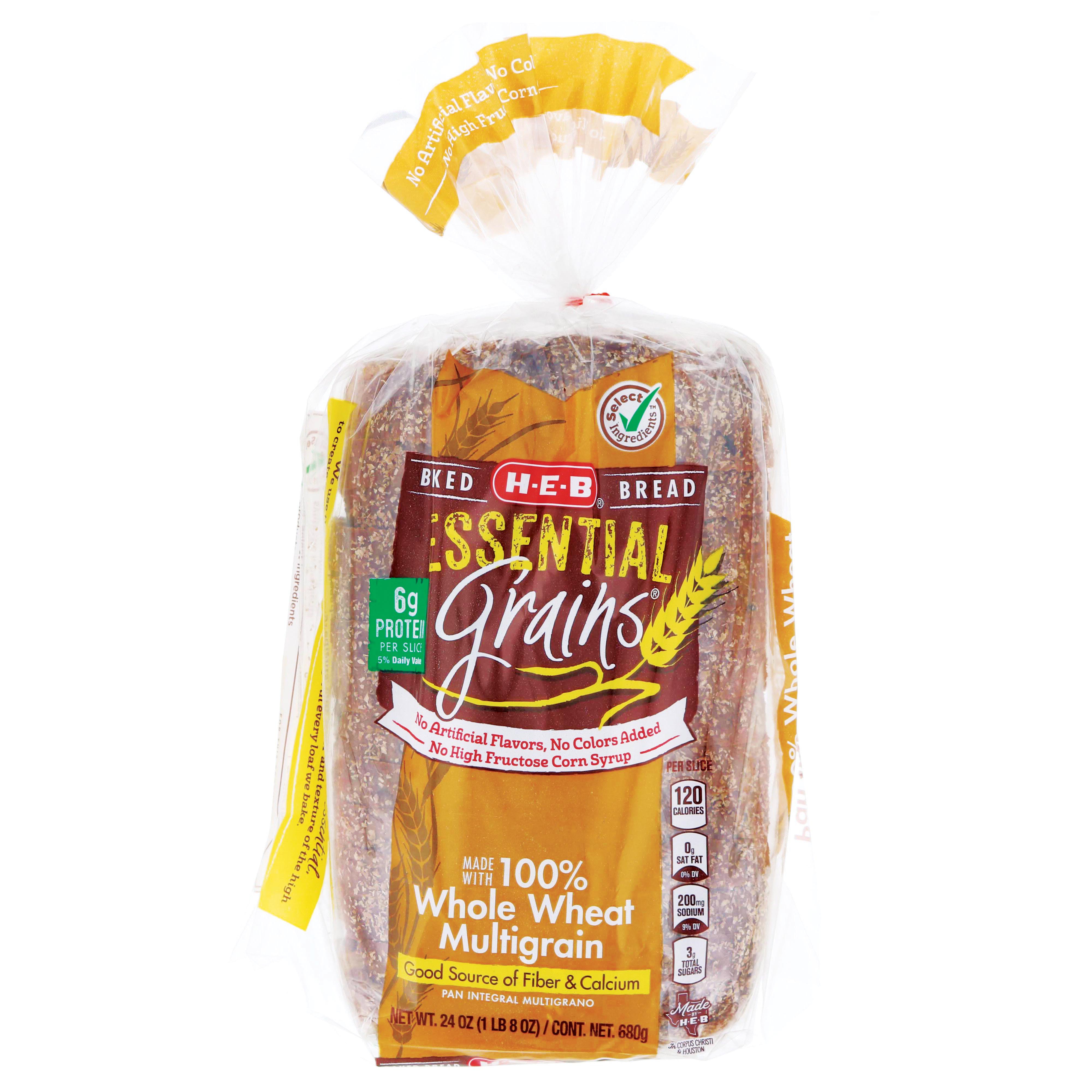
Organic 100% Whole Wheat

At a glance
Summary
This bread is made with organic whole wheat flour and other organic ingredients, which contribute to its nutritional value and fiber content. The use of organic honey and sea salt adds natural sweetness and flavor without excessive processing. However, the presence of organic palm oil, a saturated fat, and the overall processing level limit its score, despite the clean ingredient list. Its plastic packaging can shed microplastics into the food and lowers its score.
Key ingredients 15
Organic whole wheat flourVery Good
Organic whole wheat flour is a minimally processed ingredient rich in fiber and nutrients. Being organic, it is free from synthetic pesticides and fertilizers. It provides essential vitamins and minerals, supporting digestive health.
Benefits
Rich in dietary fiber, which aids in digestion and helps maintain healthy blood sugar levels. Contains essential nutrients like B vitamins and iron.
Organic cracked wheatGood
Organic cracked wheat is a whole grain ingredient that retains its bran and germ, providing fiber and nutrients. Being organic, it is grown without synthetic chemicals. It enhances the texture and nutritional profile of the product.
Benefits
Provides dietary fiber, which supports digestive health and may help in weight management. Contains vitamins and minerals beneficial for overall health.
Organic honeyGood
Organic honey is a natural sweetener with antioxidant properties. It is less processed than refined sugars and contains trace nutrients. It provides a natural sweetness and flavor to the product.
Risks
Excessive consumption may lead to increased calorie intake and blood sugar levels.
Benefits
Contains antioxidants and trace nutrients that may support health. Provides a natural source of sweetness with a distinct flavor.
Sea saltGood
Sea salt is a minimally processed salt that retains trace minerals. It is used to enhance flavor and provide essential sodium. It is considered a healthier alternative to refined table salt.
Risks
Excessive sodium intake may lead to high blood pressure and cardiovascular issues.
Benefits
Provides essential sodium and trace minerals that support electrolyte balance and overall health.
Organic wheat branGood
Organic wheat bran is a high-fiber ingredient that supports digestive health. It is the outer layer of the wheat kernel and is rich in nutrients. It adds fiber and texture to the product.
Benefits
Rich in dietary fiber, which aids digestion and may help in maintaining healthy cholesterol levels.
Organic oatsGood
Organic oats are a whole grain rich in fiber and nutrients. They are minimally processed and provide beta-glucans, which support heart health. They enhance the nutritional profile and texture of the product.
Benefits
Provides soluble fiber that supports heart health and helps regulate blood sugar levels.
Organic cultured wheat flourGood
Organic cultured wheat flour is fermented to enhance flavor and shelf life. It is a minimally processed ingredient that retains nutrients. It contributes to the texture and nutritional value of the product.
Benefits
Provides a source of fiber and nutrients, and the fermentation process may improve digestibility.
Filtered waterNeutral
Filtered water is a neutral ingredient used as a solvent and to provide moisture. It undergoes filtration to remove impurities and contaminants. It is essential for hydration but does not contribute additional nutrients.
See more about Filtered water →Organic brown sugarNeutral
Organic brown sugar is a sweetener that retains some molasses, providing a slight mineral content. It is less processed than white sugar but still contributes to sugar intake. It is used to enhance flavor and sweetness.
Risks
Excessive consumption may contribute to increased blood sugar levels and dental issues.
Benefits
Provides a richer flavor compared to refined sugar and contains trace minerals from molasses.
Organic vital wheat glutenNeutral
Organic vital wheat gluten is a protein-rich ingredient used to improve dough elasticity and texture. It is derived from wheat and is a concentrated source of gluten. It is beneficial for bread structure but may cause issues for those with gluten intolerance.
Risks
May cause adverse reactions in individuals with gluten intolerance or celiac disease.
Benefits
Enhances the protein content of the product and improves the texture and rise of baked goods.
YeastNeutral
Yeast is a microorganism used in baking to ferment and leaven dough. It is a natural ingredient that contributes to the texture and flavor of bread. It is essential for the rising process but does not provide significant nutrients.
Benefits
Facilitates the fermentation process, contributing to the texture and flavor of baked goods.
EnzymesNeutral
Enzymes are proteins that catalyze biochemical reactions, used in baking to improve dough properties. They are naturally occurring and enhance the texture and shelf life of bread. They do not contribute additional nutrients.
Benefits
Improves dough handling and extends the freshness of baked goods.
Organic distilled vinegarNeutral
Organic distilled vinegar is used as a natural preservative and flavor enhancer. It is made through fermentation and is free from synthetic additives. It contributes to the acidity and flavor profile of the product.
Benefits
Acts as a natural preservative and enhances flavor without adding calories.
Ascorbic acidNeutral
Ascorbic acid, also known as vitamin C, is used as a dough conditioner to improve bread quality. It is a naturally occurring antioxidant. It enhances the texture and shelf life of baked goods.
Benefits
Acts as an antioxidant and improves the quality and shelf life of bread.
Organic palm oilBad
Organic palm oil is a saturated fat that is often criticized for its environmental impact. While it is less processed than some oils, it is high in saturated fats. It is used for texture and shelf stability but may raise cholesterol levels.
Risks
High saturated fat content may contribute to increased cholesterol levels and heart disease risk.
Benefits
Provides a stable fat source that enhances texture and shelf life of products.
Processing
Processed Foods
Get the full breakdown in the Scout appTake Scout shopping
Scan any product to see lab results, healthy alternatives, and your personalized analysis.
Are you Naked Bread? Fix an error Get the badge Get tested