



At a glance
Summary
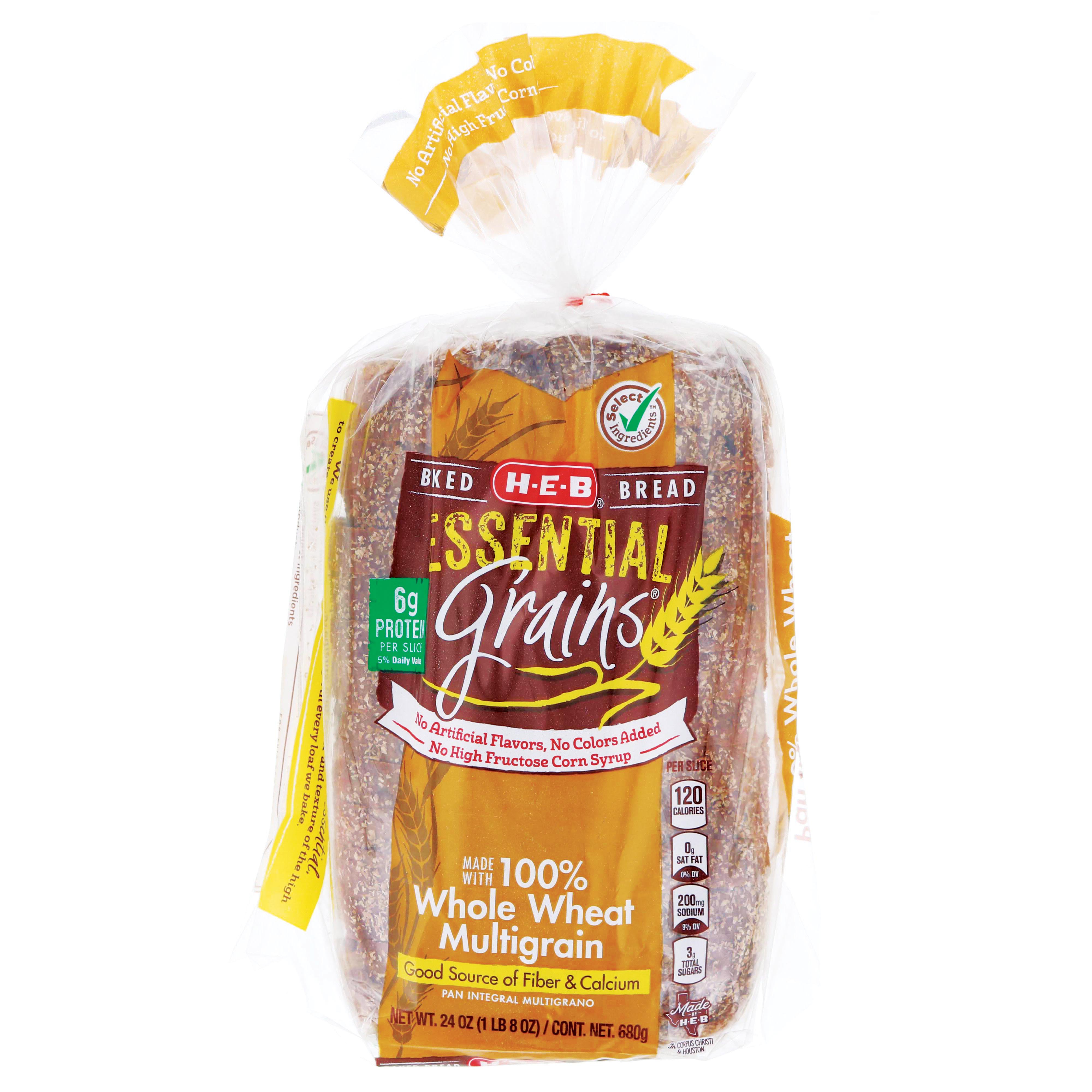
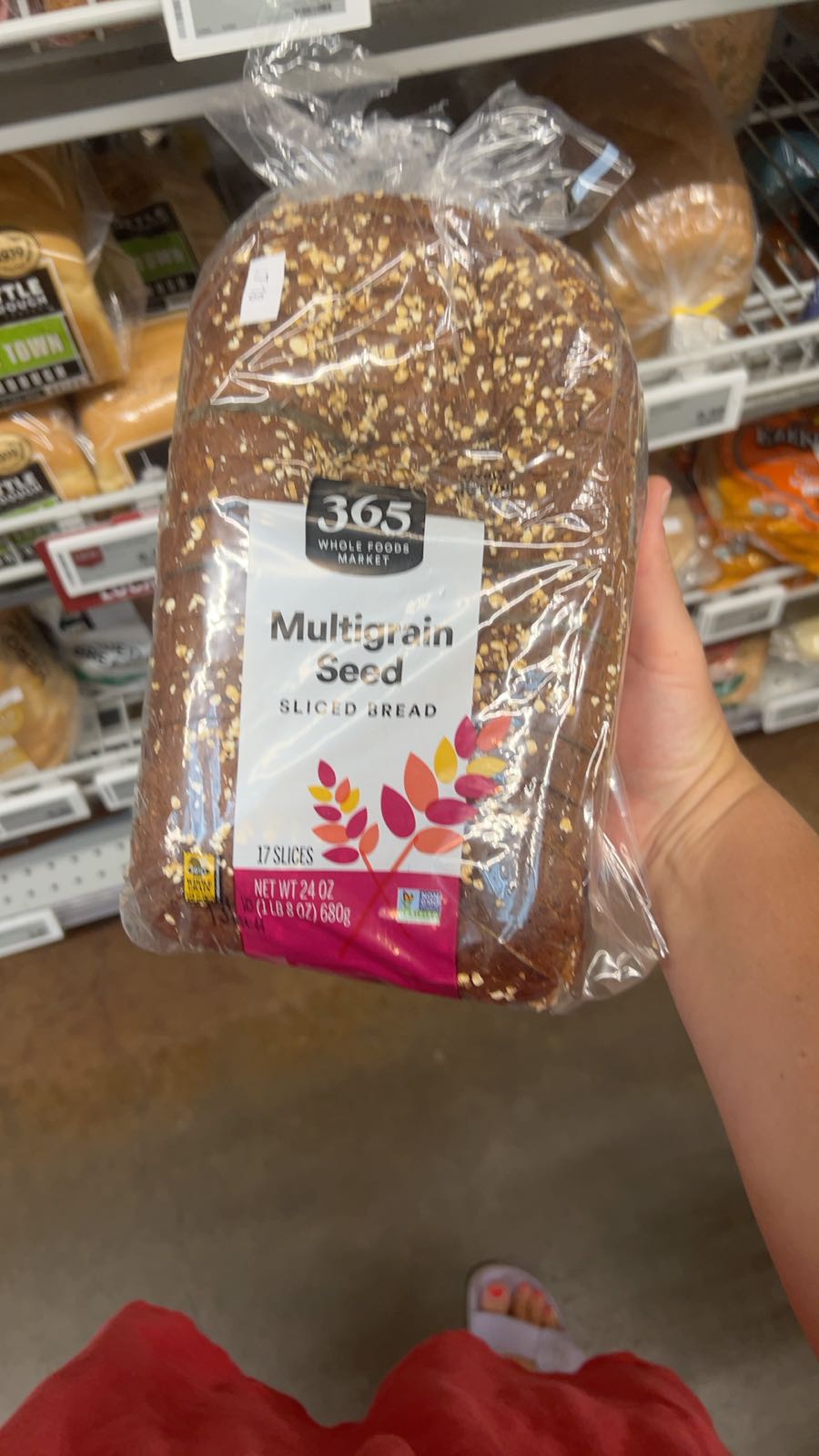
This whole wheat lavash bread is moderately processed and contains a short ingredient list, which is generally positive. However, the presence of added sugar and calcium propionate as a preservative slightly detracts from its healthfulness. While it avoids major harmful ingredients like seed oils or artificial additives, its processing level limits its potential score.
Key ingredients 6
FlourNeutral
Flour is a staple ingredient in bread, providing structure and texture. It is typically refined, which can reduce its nutritional value compared to whole grain options. The processing removes the bran and germ, leading to a loss of fiber and nutrients.
Risks
Refined flour can contribute to blood sugar spikes and lacks fiber.
Benefits
Provides carbohydrates for energy, though whole grain options offer more nutrients.
WaterNeutral
Water is a fundamental ingredient in bread making, hydrating the flour and activating yeast. It is a natural and essential component with no processing involved. Water does not contribute any calories or nutrients.
Benefits
Essential for hydration and activating yeast in bread making.
YeastNeutral
Yeast is used as a leavening agent in bread, helping it rise and develop texture. It is a natural ingredient that ferments sugars to produce carbon dioxide. Yeast contributes to the flavor and aroma of bread.
Benefits
Contributes to the leavening and flavor of bread.
SaltNeutral
Salt is used in bread to enhance flavor and control yeast activity. It is a common culinary ingredient with no significant processing. While necessary in small amounts, excessive salt intake can be a health concern.
Risks
High sodium intake can lead to increased blood pressure.
Benefits
Enhances flavor and helps control yeast fermentation in bread.
Calcium PropionateNeutral
Calcium propionate is used as a preservative to prevent mold growth in bread. It is a common food additive that extends shelf life. While generally recognized as safe, some individuals may experience sensitivities.
Risks
Some individuals may experience sensitivities or allergic reactions.
Benefits
Helps extend the shelf life of bread by preventing mold growth.
SugarBad
Sugar is added to bread to feed yeast and enhance flavor. It is a refined ingredient that can contribute to increased calorie intake without nutritional benefits. Excessive sugar consumption is linked to various health issues.
Risks
High sugar intake can lead to weight gain and increased risk of chronic diseases.
Benefits
Provides energy and enhances the flavor of bread.
Processing
Processed Foods
Get the full breakdown in the Scout appTake Scout shopping
Scan any product to see lab results, healthy alternatives, and your personalized analysis.
Download on theApp Store GET IT ONGoogle Play