


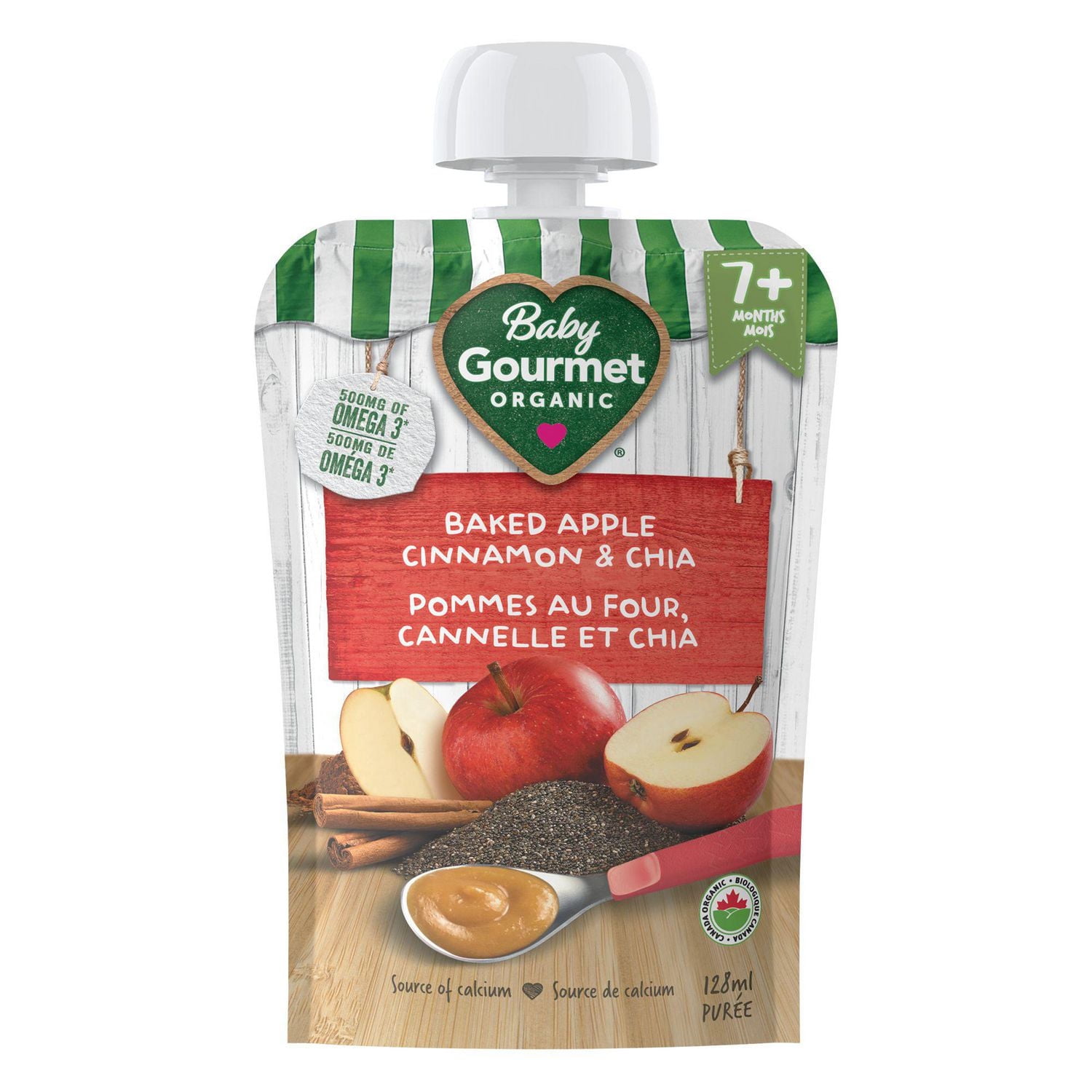
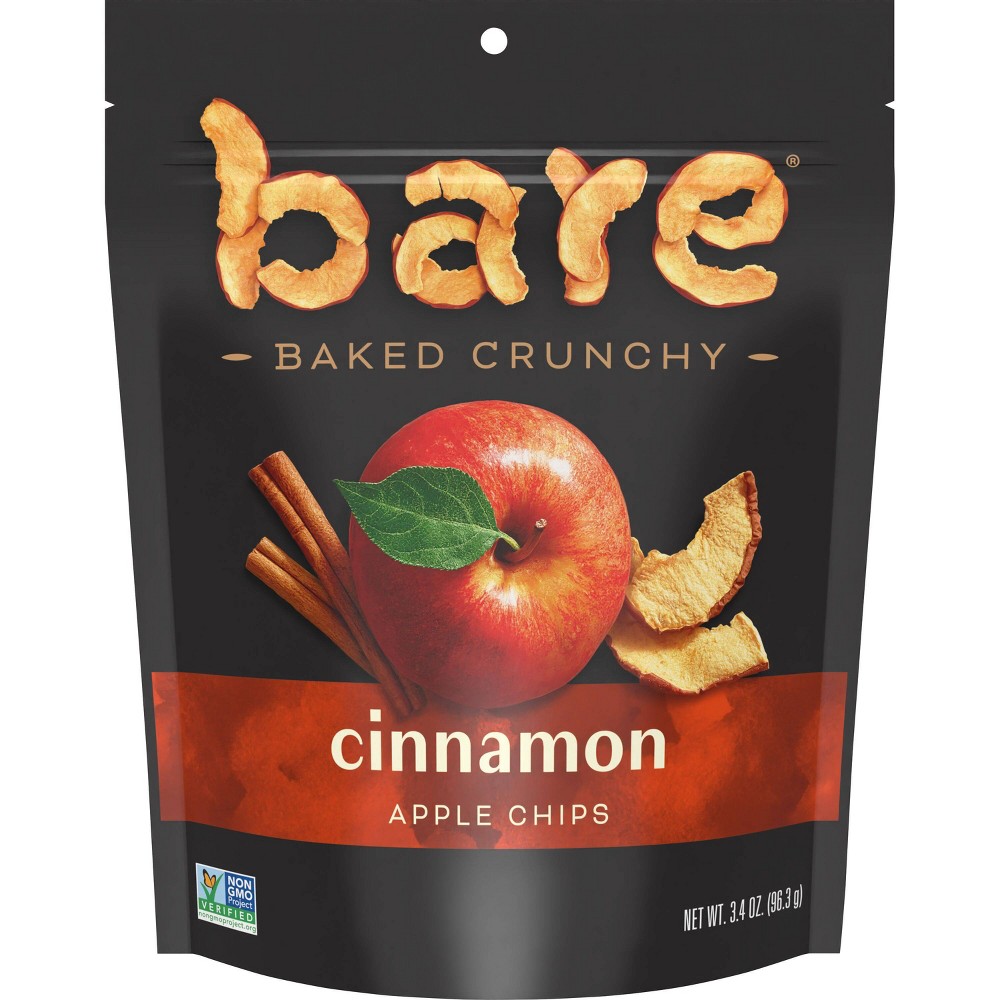
At a glance
Summary
This product contains beneficial ingredients such as whole grain flour blend, flaxseed, and prebiotic fibers, which contribute to its nutritional value. However, the presence of refined cane sugar and natural apple flavor, which are processed additives, detracts from its overall healthiness. The product is moderately processed, which limits its potential score despite the inclusion of some whole food ingredients.
Key ingredients 21
Prebiotic fibers (FOS)Very Good
Fructooligosaccharides (FOS) are prebiotic fibers that support gut health. They promote the growth of beneficial gut bacteria. FOS are derived from natural sources like chicory root.
Risks
Excessive consumption may cause digestive discomfort in some individuals.
Benefits
Supports gut health by promoting beneficial bacteria. May improve digestion and nutrient absorption.
AppleVery Good
Apples are a whole food rich in fiber and vitamin C. They provide antioxidants that help reduce oxidative stress. Consuming whole apples supports heart health and digestion.
Benefits
Rich in fiber and vitamin C, supporting immune function and digestion. Contains antioxidants that may reduce the risk of chronic diseases.
Whole grain flour blend (spelt, barley, oat)Very Good
Whole grain flour blend provides complex carbohydrates and fiber. It includes spelt, barley, and oat, which are nutritious grains. Whole grains support heart health and digestion.
Risks
Contains gluten, which may be a concern for individuals with celiac disease or gluten sensitivity.
Benefits
Rich in fiber and essential nutrients, supporting heart health and digestion. Provides sustained energy from complex carbohydrates.
FlaxseedVery Good
Flaxseed is a nutrient-dense seed rich in omega-3 fatty acids and fiber. It supports heart health and aids digestion. Flaxseed also contains lignans, which have antioxidant properties.
Risks
May cause digestive issues if consumed in large amounts without adequate water.
Benefits
Rich in omega-3 fatty acids and fiber, supporting heart health and digestion. Contains lignans with antioxidant properties.
Apple fillingGood
Apple filling provides natural sweetness and fiber. It is a source of vitamins and antioxidants. The processing retains some nutritional benefits of apples.
Risks
Potential for added sugars if not specified as purely apple-based.
Benefits
Contains vitamins and antioxidants that support overall health. Provides natural sweetness and dietary fiber.
Citrus fiberGood
Citrus fiber is a natural fiber derived from citrus fruits. It aids in digestion and can improve the texture of food products. Provides a source of dietary fiber without added calories.
Benefits
Supports digestive health and improves food texture. Provides dietary fiber from a natural source.
VinegarGood
Vinegar is a natural preservative and flavor enhancer. It has antimicrobial properties and can aid in digestion. Derived from the fermentation of ethanol, it is a traditional culinary ingredient.
Risks
Excessive consumption may cause digestive discomfort.
Benefits
Acts as a natural preservative and flavor enhancer. May aid in digestion and has antimicrobial properties.
Sea saltGood
Sea salt is a natural source of sodium and trace minerals. It is less processed than table salt and retains beneficial minerals. Used in moderation, it can enhance flavor and provide essential nutrients.
Risks
Excessive sodium intake may lead to high blood pressure.
Benefits
Provides essential minerals and enhances flavor. Less processed than table salt.
CinnamonGood
Cinnamon is a spice with antioxidant and anti-inflammatory properties. It can help regulate blood sugar levels and improve heart health. Derived from the bark of cinnamon trees, it is a traditional spice with numerous health benefits.
Benefits
Rich in antioxidants and may help regulate blood sugar levels. Supports heart health and provides anti-inflammatory benefits.
PectinNeutral
Standard formulation ingredient — neither beneficial nor harmful at typical use.
Benefits
Supports digestive health and may help lower cholesterol levels. Provides a natural source of dietary fiber.
Citric acidNeutral
Citric acid is a natural preservative and flavor enhancer. It is commonly used to add acidity and preserve freshness. Derived from citrus fruits, it is generally recognized as safe.
Risks
Excessive consumption may cause tooth enamel erosion.
Benefits
Helps preserve freshness and enhance flavor. Naturally derived from citrus fruits.
Vegetable glycerinNeutral
Vegetable glycerin is a sugar alcohol used as a sweetener and humectant. It helps retain moisture in foods and is derived from plant oils. Generally recognized as safe with minimal impact on blood sugar levels.
Risks
Excessive consumption may cause digestive discomfort.
Benefits
Helps retain moisture and provides sweetness with minimal impact on blood sugar.
Sunflower lecithinNeutral
Sunflower lecithin is an emulsifier used to improve texture and consistency. It is derived from sunflower seeds and is a common additive in processed foods. Generally recognized as safe with minimal health impact.
Benefits
Improves texture and consistency in food products. Derived from sunflower seeds.
Caramel extractNeutral
Caramel extract is used for flavoring and coloring in food products. It is made by heating sugar, which can create a rich, sweet flavor. Generally recognized as safe when used in moderation.
Risks
May contain added sugars and contribute to calorie intake.
Benefits
Provides a rich, sweet flavor and color to food products.
Natural vanilla flavorNeutral
Natural vanilla flavor is used to enhance the taste of food products. It is derived from vanilla beans but may involve processing. Provides flavor without significant nutritional benefits.
Risks
May contain undisclosed additives or solvents used in extraction.
Benefits
Enhances flavor without adding calories or sugars.
Baking sodaNeutral
Baking soda is a leavening agent used to help baked goods rise. It is a common ingredient in baking and is generally recognized as safe. Provides no nutritional benefits but is essential for texture in baked products.
Risks
Excessive consumption may cause digestive discomfort.
Benefits
Essential for leavening in baked goods, improving texture and volume.
Xanthan gumNeutral
Xanthan gum is a thickening agent used to improve texture and stability. It is produced by fermenting sugars with bacteria. Generally recognized as safe with minimal health impact.
Risks
Excessive consumption may cause digestive discomfort.
Benefits
Improves texture and stability in food products. Derived from natural fermentation processes.
Natural apple flavorBad
Natural apple flavor is a processed additive used to enhance taste. It lacks the nutritional benefits of whole apples. The term 'natural' can be misleading as it may involve chemical processes.
Risks
May contain undisclosed additives or solvents used in extraction.
Benefits
Provides apple flavor without adding calories or sugars.
Cane sugarBad
Cane sugar is a refined sugar that contributes to calorie intake without nutritional benefits. Excessive consumption can lead to health issues like obesity and diabetes. It is a common sweetener in processed foods.
Risks
High intake may increase the risk of obesity, diabetes, and dental cavities.
Benefits
Provides quick energy but lacks essential nutrients.
Tapioca syrupBad
Processed additive flagged under Scout's ingredient doctrine.
Risks
May contribute to calorie intake without significant nutritional benefits.
Benefits
Offers a lower glycemic index alternative to refined sugars. Derived from a natural source.
High oleic sunflower oilVery Bad
Heavily flagged ingredient class under Scout's doctrine.
Benefits
Contains monounsaturated fats that support heart health. More stable for cooking due to higher oleic acid content.
Processing
Processed Foods
Get the full breakdown in the Scout appTake Scout shopping
Scan any product to see lab results, healthy alternatives, and your personalized analysis.
Download on theApp Store GET IT ONGoogle Play