

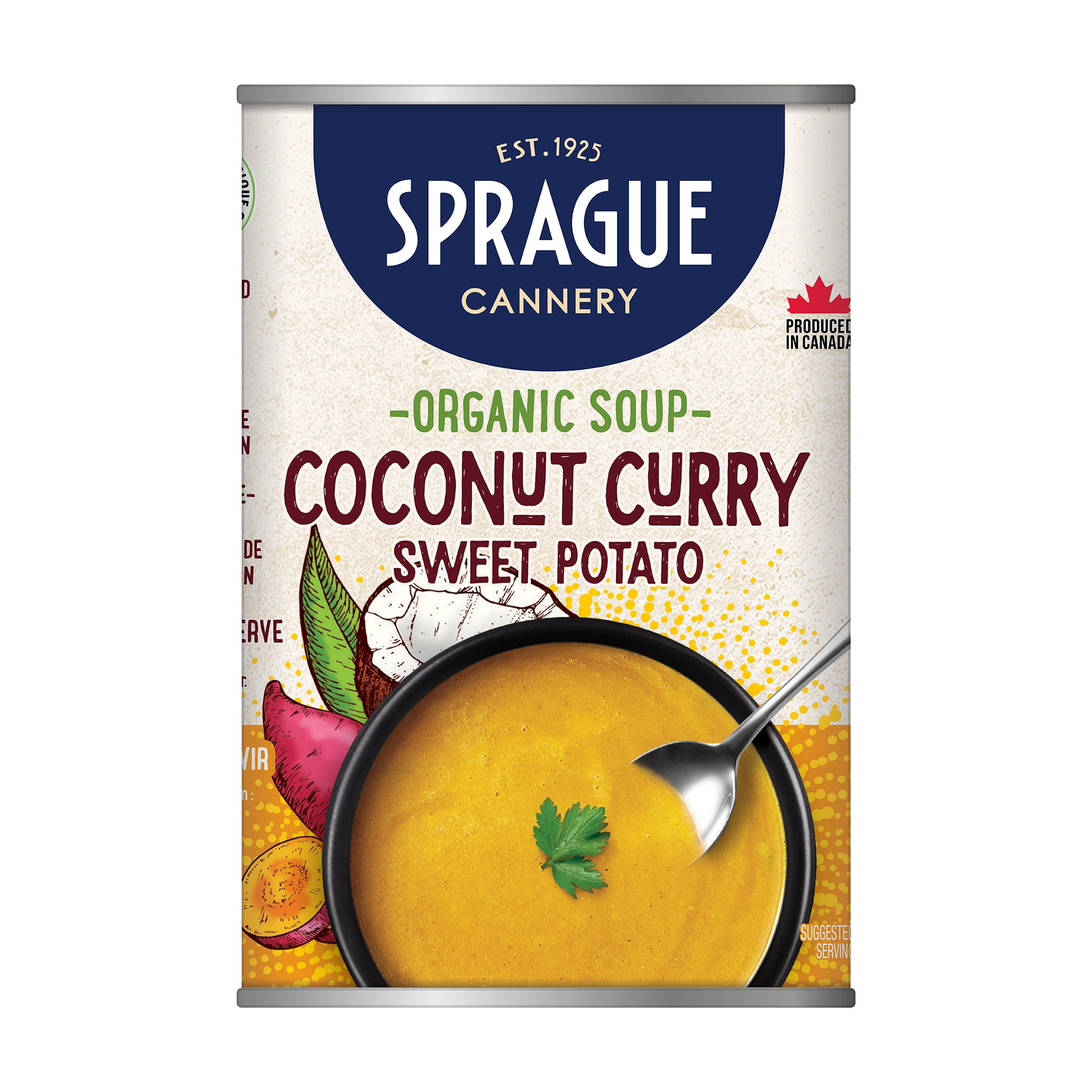

Pumpkin Curry Soup
Whole Foods MarketAnalysis updated September 2026 · How Scout scores
At a glance
Summary
This pumpkin curry soup contains a variety of minimally processed ingredients like pumpkin purée, coconut milk, and sweet potatoes, which contribute to its nutritional value. However, the presence of broth concentrate, which includes additives like xanthan gum, indicates a moderate level of processing. The product's clean ingredient list and absence of harmful additives help maintain a favorable score, despite its processed nature.
Key ingredients 13
Pumpkin PuréeGood
Pumpkin purée is a good source of vitamins A and C, and dietary fiber. It is minimally processed and retains most of its natural nutrients. The purée form makes it easy to incorporate into soups and other dishes.
Benefits
Rich in beta-carotene, which is beneficial for eye health and immune function.
Coconut MilkGood
Coconut milk provides healthy fats, particularly medium-chain triglycerides (MCTs), which are easily metabolized for energy. It is a plant-based alternative to dairy milk, suitable for lactose-intolerant individuals. The coconut extract is combined with water to create a creamy texture.
Risks
High in saturated fats, which may be a concern for individuals with specific dietary restrictions.
Benefits
Contains lauric acid, which has antimicrobial properties and supports immune health.
Sweet PotatoesGood
Sweet potatoes are a nutrient-dense food rich in vitamins A and C, and fiber. They are minimally processed and retain their natural sweetness and nutrients. Their inclusion adds a natural sweetness and creamy texture to the soup.
Benefits
High in antioxidants, which help reduce oxidative stress and inflammation.
OnionsGood
Onions are a good source of vitamins C and B6, and contain antioxidants. They are minimally processed and add flavor and nutritional value to dishes. Onions also contain compounds that may support heart health.
Risks
May cause digestive discomfort in some individuals when consumed in large quantities.
Benefits
Contains quercetin, an antioxidant that may reduce inflammation and support heart health.
CarrotsGood
Carrots are rich in beta-carotene, fiber, and vitamins A and K. They are minimally processed and retain their natural nutrients. Carrots add sweetness and nutritional value to the soup.
Benefits
Supports eye health and boosts the immune system due to high beta-carotene content.
ApplesGood
Apples are a good source of dietary fiber and vitamin C. They are minimally processed and add natural sweetness and flavor to the soup. Apples also contain antioxidants that may support overall health.
Benefits
May support heart health and aid digestion due to their fiber content.
Curry PowderGood
Curry powder is a blend of spices that provides flavor and potential health benefits. It contains turmeric, which has anti-inflammatory properties. The spices are minimally processed and add depth to the soup's flavor profile.
Risks
Some individuals may be sensitive to certain spices in curry powder.
Benefits
Contains antioxidants and anti-inflammatory compounds that may support overall health.
Sea SaltGood
Sea salt is a natural source of sodium and trace minerals. It is less processed than table salt and retains some beneficial minerals. Sea salt enhances the flavor of the soup.
Risks
Excessive sodium intake can lead to high blood pressure and other health issues.
Benefits
Provides essential minerals and enhances flavor without the additives found in refined salt.
WaterNeutral
Water is a neutral ingredient used as a base in many soups and beverages. It provides no nutritional value but is essential for hydration. In this product, it serves as a solvent for other ingredients.
See more about Water →CeleryNeutral
Celery is a low-calorie vegetable that provides some vitamins and minerals. It is minimally processed and adds flavor and texture to dishes. While not nutrient-dense, it contributes to the overall vegetable content of the soup.
Benefits
Contains antioxidants and may support digestive health due to its fiber content.
CornstarchNeutral
Cornstarch is used as a thickening agent in soups and sauces. It is a refined carbohydrate with no significant nutritional value. Its primary function is to improve the texture of the soup.
See more about Cornstarch →Brown Cane SugarNeutral
Brown cane sugar is a less refined form of sugar that retains some molasses content. It provides sweetness but has no significant nutritional benefits. Its use in moderation is generally acceptable in culinary applications.
Risks
Excessive consumption of sugar can lead to health issues such as obesity and diabetes.
Benefits
Provides a natural sweetness that enhances the flavor profile of the soup.
Broth ConcentrateBad
Broth concentrate often contains added salt and flavor enhancers. It is a processed ingredient that may include additives like xanthan gum. While it adds flavor, it may not provide the same nutritional benefits as homemade broth.
Risks
May contain high levels of sodium and additives that could be concerning for some individuals.
Benefits
Adds depth of flavor to the soup, enhancing its savory profile.
Processing
Processed Foods
Get the full breakdown in the Scout appTake Scout shopping
Scan any product to see lab results, healthy alternatives, and your personalized analysis.
Download on theApp Store GET IT ONGoogle Play