



At a glance
Summary
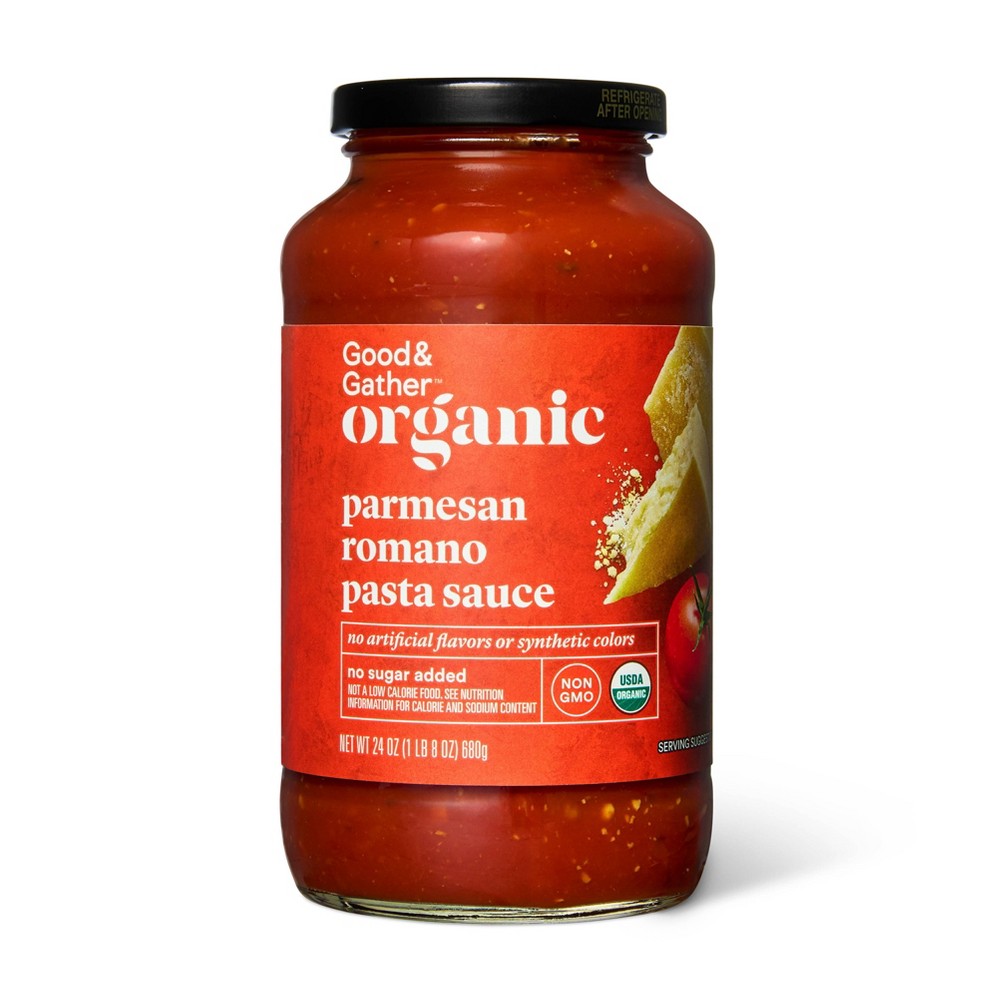
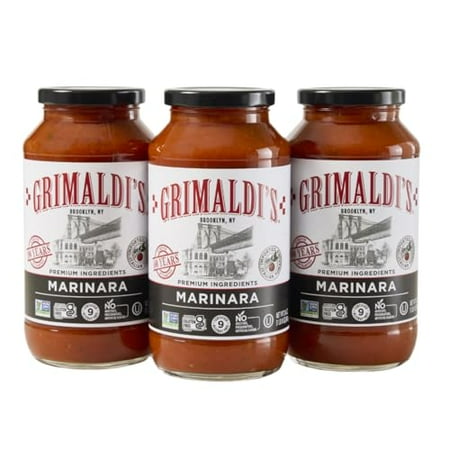
This product contains a mix of beneficial ingredients like potatoes, crushed tomatoes, and extra virgin olive oil, which contribute positively to its nutritional profile. However, the presence of sunflower oil, a seed oil high in omega-6 fatty acids, is a concern due to its potential inflammatory effects. The product is processed, which limits its score, but the use of quality ingredients like cheeses and herbs helps maintain a reasonable rating.
Key ingredients 14
EggVery Good
Eggs are a high-quality source of protein and contain essential nutrients like choline and vitamin D. They are minimally processed and provide a complete amino acid profile. Eggs are versatile and beneficial in many diets.
Risks
May cause allergic reactions in some individuals.
Benefits
Excellent source of protein and essential nutrients like choline, supporting brain health.
Extra virgin olive oilVery Good
Extra virgin olive oil is a high-quality monounsaturated fat with anti-inflammatory properties. It contains antioxidants that support heart health. Cold-pressed extraction preserves beneficial compounds.
Benefits
Rich in monounsaturated fats that support heart health and provide anti-inflammatory properties. Contains antioxidants like vitamin E and polyphenols that may reduce oxidative stress.
PotatoesGood
Potatoes are a good source of carbohydrates and provide essential nutrients like vitamin C and potassium. They are minimally processed and retain their natural nutritional profile. When cooked properly, they can be part of a balanced diet.
Risks
Excessive consumption may lead to high glycemic load, affecting blood sugar levels.
Benefits
Rich in carbohydrates for energy and contain essential vitamins and minerals like vitamin C and potassium.
Crushed tomatoesGood
Crushed tomatoes are a minimally processed source of vitamins A and C and lycopene, an antioxidant. They retain most of their natural nutrients and are a staple in many healthy diets. The addition of citric acid helps preserve their freshness.
Benefits
Rich in vitamins and antioxidants, supporting overall health and reducing inflammation.
Hard grating cheeseGood
Hard grating cheese, such as Parmesan, is rich in calcium and protein. It is aged, which enhances its flavor and digestibility. The use of microbial rennet makes it suitable for vegetarians.
Risks
High in sodium and saturated fats, which should be consumed in moderation.
Benefits
Provides calcium and protein, supporting bone health and muscle maintenance.
Provolone cheeseGood
Provolone cheese is a good source of calcium and protein. It is a semi-hard cheese that adds flavor and nutritional value to dishes. Made with milk and rennet, it is a traditional dairy product.
Risks
Contains saturated fats and sodium, which should be consumed in moderation.
Benefits
Rich in calcium and protein, supporting bone health and muscle function.
BasilGood
Basil is a fresh herb that adds flavor and aroma to dishes. It contains essential oils and antioxidants that may have health benefits. Basil is minimally processed and used in many culinary traditions.
Benefits
Contains antioxidants and essential oils that may support health and enhance flavor.
OnionGood
Onions are a natural source of vitamins, minerals, and antioxidants. They add flavor and nutritional value to dishes. Onions are minimally processed and widely used in cooking.
Risks
May cause digestive discomfort in some individuals.
Benefits
Rich in antioxidants and nutrients that support immune function and overall health.
GarlicGood
Garlic is known for its potential health benefits, including antimicrobial and anti-inflammatory properties. It is a natural ingredient that enhances flavor and nutrition. Garlic is used in many traditional cuisines for its health-promoting properties.
Risks
May cause digestive discomfort or allergic reactions in some individuals.
Benefits
Contains compounds that may support heart health and boost the immune system.
SaltNeutral
Salt is used to enhance flavor and preserve food. It is a necessary nutrient but should be consumed in moderation to avoid health issues. It is a common ingredient in processed foods.
Risks
Excessive intake can lead to high blood pressure and cardiovascular issues.
Benefits
Essential for maintaining fluid balance and nerve function.
Rice starchNeutral
Rice starch is used as a thickening agent and is derived from rice. It is a refined carbohydrate with limited nutritional value. It is commonly used in processed foods for texture.
See more about Rice starch →Sodium bicarbonateNeutral
Sodium bicarbonate is used as a leavening agent and acidity regulator in food products. It is a common additive with no significant nutritional value. It helps improve texture and consistency in baked goods.
See more about Sodium bicarbonate →Wheat flourBad
Refined grain flour stripped of bran and germ.
Risks
May cause issues for individuals with gluten intolerance or celiac disease.
Benefits
Provides energy through carbohydrates and contains some protein.
Sunflower oilVery Bad
Sunflower oil is a seed oil high in omega-6 fatty acids, which can promote inflammation if consumed in excess. It is often refined, which can strip away beneficial nutrients. Its high omega-6 content is a concern for balanced diets.
Risks
High omega-6 content may promote inflammation when consumed in excess.
Processing
Processed Foods
Get the full breakdown in the Scout appTake Scout shopping
Scan any product to see lab results, healthy alternatives, and your personalized analysis.
Download on theApp Store GET IT ONGoogle Play