



At a glance
Summary
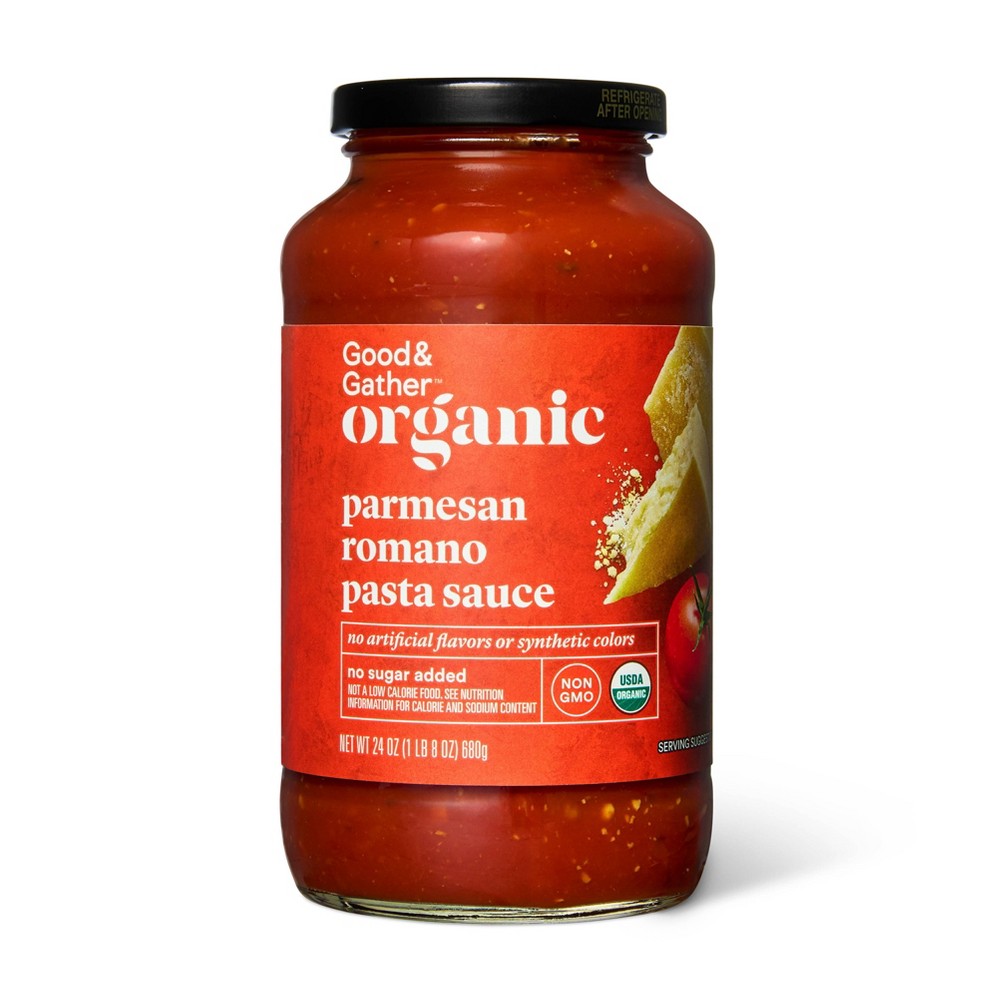
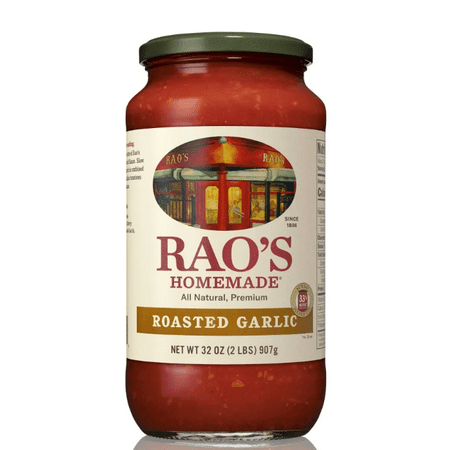
This product contains several beneficial ingredients such as crushed tomatoes, extra virgin olive oil, and fresh herbs, which contribute to its nutritional value. However, the presence of sunflower oil, a seed oil high in omega-6 fatty acids, and refined sugar, which adds empty calories, are notable concerns. The product is moderately processed, which limits its overall health score despite some high-quality components.
Key ingredients 12
EggVery Good
Eggs are a high-quality protein source with essential amino acids. They contain vitamins and minerals, including vitamin B12 and selenium. Eggs contribute to the texture and nutritional profile of the product.
Risks
Potential allergen for some individuals.
Benefits
Rich in protein and essential nutrients, supporting muscle growth and overall health.
Extra virgin olive oilVery Good
High-quality monounsaturated fat with anti-inflammatory properties. Contains antioxidants that support heart health. Cold-pressed extraction preserves beneficial compounds.
Benefits
Rich in monounsaturated fats that support heart health and provide anti-inflammatory properties. Contains antioxidants like vitamin E and polyphenols that may reduce oxidative stress.
Crushed tomatoesGood
Crushed tomatoes are a source of vitamins A and C, and lycopene, an antioxidant. They are minimally processed, retaining most of their natural nutrients. They provide a fresh flavor and nutritional benefits without additives.
Benefits
Rich in antioxidants like lycopene, which may reduce the risk of chronic diseases. Provides essential vitamins and minerals.
Low-moisture mozzarella cheeseGood
Mozzarella cheese is a good source of protein and calcium. It is made from milk and contains beneficial bacteria from the lactic acid starter culture. The low moisture content extends shelf life and enhances flavor.
Risks
Contains lactose, which may be problematic for lactose-intolerant individuals.
Benefits
Provides high-quality protein and calcium, supporting bone health and muscle function.
BasilGood
Basil is an herb rich in antioxidants and essential oils. It adds flavor and aroma to dishes while providing health benefits. Fresh basil is minimally processed, retaining its natural properties.
Benefits
Contains antioxidants and essential oils that may support immune function and reduce inflammation.
OnionGood
Onions are a source of vitamins, minerals, and antioxidants. They add flavor and nutritional value to dishes. Onions are minimally processed, retaining their health benefits.
Benefits
Rich in antioxidants and compounds that may support heart health and reduce inflammation.
GarlicGood
Garlic is known for its health-promoting properties, including antimicrobial and antioxidant effects. It adds flavor and potential health benefits to dishes. Fresh garlic is minimally processed, retaining its beneficial compounds.
Benefits
Contains compounds that may support immune function and cardiovascular health.
SaltNeutral
Salt is used to enhance flavor and preserve food. It is a common culinary ingredient but lacks additional nutritional benefits. Excessive consumption can lead to health issues.
Risks
High sodium intake can contribute to hypertension and cardiovascular disease.
Benefits
Enhances flavor and acts as a preservative in food.
Sodium bicarbonateNeutral
Sodium bicarbonate is used as an acidity regulator and leavening agent. It is a common food additive with no significant health concerns. It helps maintain the desired texture and pH in food products.
See more about Sodium bicarbonate →Wheat flourBad
Refined grain flour stripped of bran and germ.
Risks
May cause issues for individuals with gluten intolerance or celiac disease.
Benefits
Provides carbohydrates for energy but lacks significant nutritional benefits compared to whole grains.
SugarBad
Refined sugar is a source of empty calories with no essential nutrients. It can contribute to weight gain and metabolic issues when consumed in excess. It is used to balance acidity in sauces.
Risks
Excessive consumption can lead to obesity, type 2 diabetes, and dental problems.
Sunflower oilVery Bad
Sunflower oil is a seed oil high in omega-6 fatty acids, which can promote inflammation. It is often refined, which removes beneficial nutrients. Its high omega-6 content is a concern for balanced diets.
Risks
High omega-6 content may promote inflammation when consumed in excess.
Processing
Processed Foods
Get the full breakdown in the Scout appTake Scout shopping
Scan any product to see lab results, healthy alternatives, and your personalized analysis.
Download on theApp Store GET IT ONGoogle Play