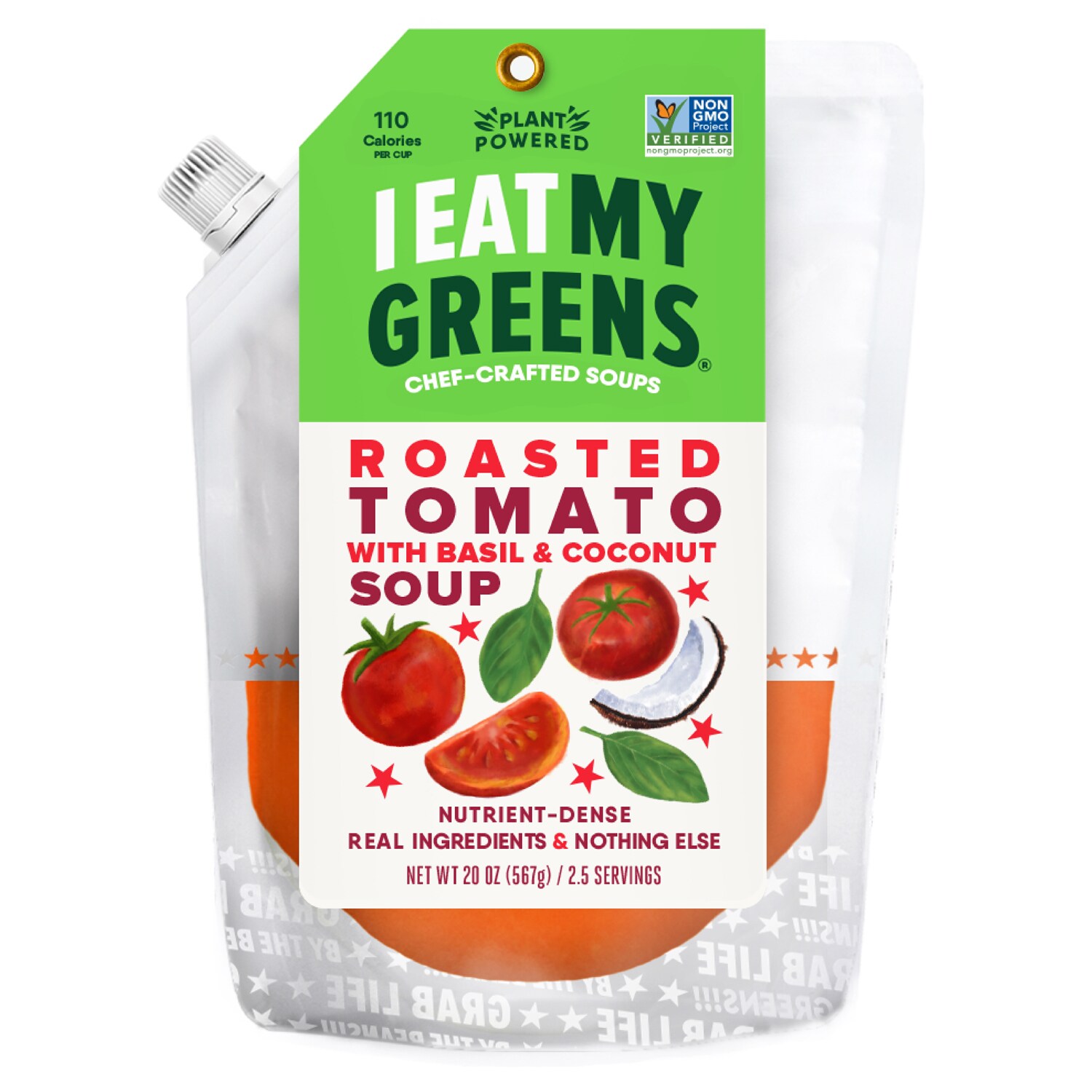
Tomato Basil Soup
Kirkland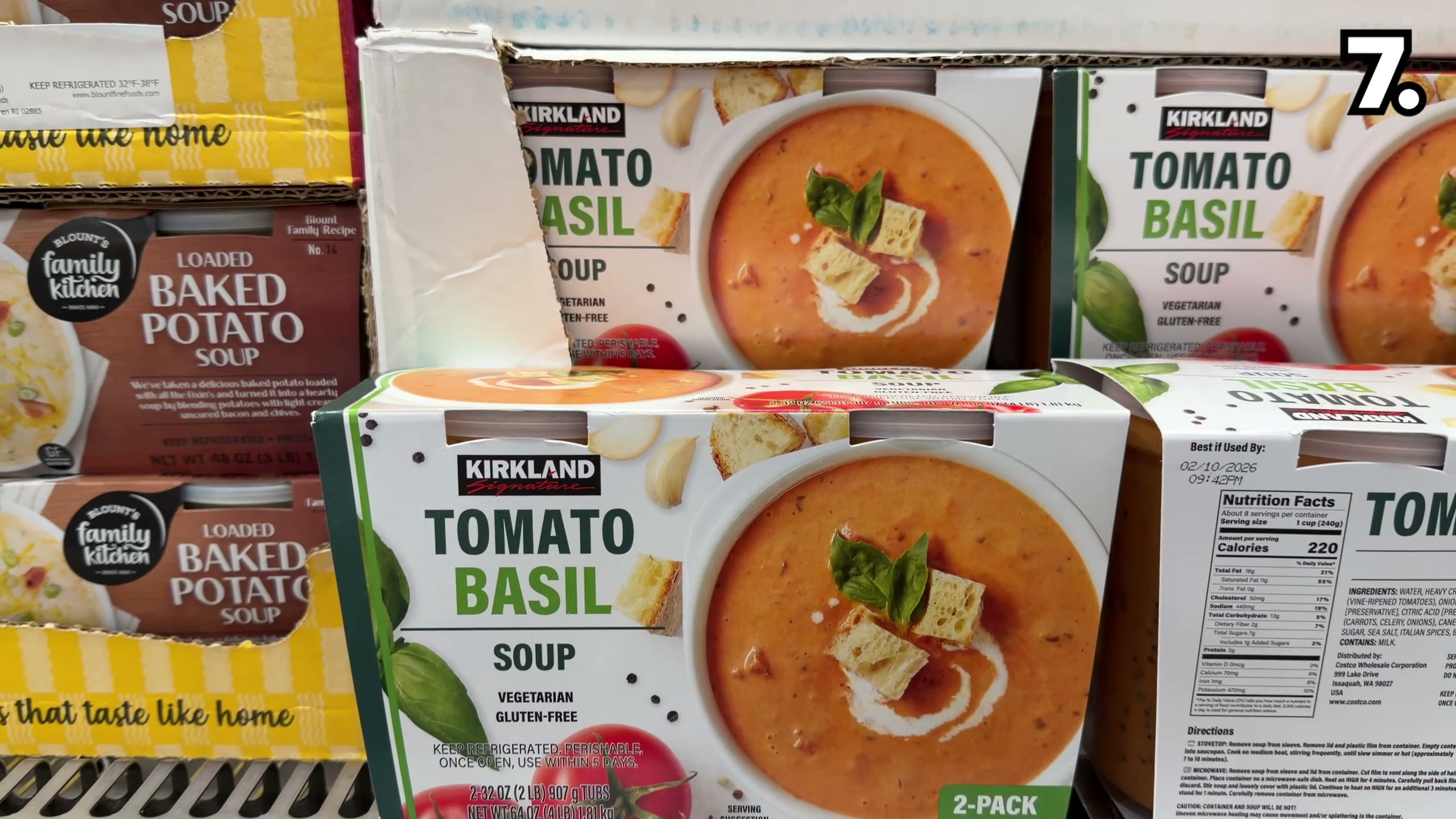
At a glance
Summary
The tomato basil soup contains beneficial ingredients like tomato puree, diced tomatoes, and butternut squash, which provide vitamins and antioxidants. However, the presence of vegetable oils such as soybean or canola oil, along with added sugar and natural flavoring, detracts from its healthiness. These ingredients contribute to a higher level of processing and potential health concerns, limiting the overall score.
Key ingredients 17
Tomato PureeGood
Tomato puree is a concentrated source of tomatoes, providing vitamins and antioxidants. It is minimally processed, retaining most of the nutritional benefits of fresh tomatoes. The puree is a good source of lycopene, which has been linked to various health benefits.
Benefits
Rich in vitamins A and C, and antioxidants like lycopene, which may support heart health and reduce inflammation.
Diced Tomatoes In Tomato JuiceGood
Diced tomatoes in tomato juice are a minimally processed ingredient that retains the nutritional benefits of fresh tomatoes. They provide essential vitamins and antioxidants. The juice helps preserve the tomatoes and adds flavor without significant processing.
Benefits
Provides vitamins A and C, and antioxidants that may support immune function and reduce oxidative stress.
CreamGood
Cream is a dairy product that adds richness and flavor, providing healthy fats and fat-soluble vitamins. It is a natural ingredient with minimal processing. The presence of milk fat can enhance the absorption of fat-soluble vitamins.
Risks
May pose a risk for individuals with lactose intolerance or dairy allergies.
Benefits
Contains fat-soluble vitamins like A, D, E, and K, and provides a source of energy and flavor.
Butternut SquashGood
Butternut squash is a nutrient-dense vegetable rich in vitamins, minerals, and fiber. It is minimally processed and retains its natural nutritional profile. The squash provides beta-carotene, which is converted to vitamin A in the body.
Benefits
Rich in vitamins A and C, and fiber, which supports digestive health and immune function.
ButterGood
Butter is a natural dairy product that provides flavor and healthy fats. It contains fat-soluble vitamins and is minimally processed. The presence of milk fat can enhance the absorption of fat-soluble vitamins.
Risks
May pose a risk for individuals with lactose intolerance or dairy allergies.
Benefits
Contains fat-soluble vitamins like A, D, E, and K, and provides a source of energy and flavor.
Whey Protein ConcentrateGood
Whey protein concentrate is a high-quality protein source derived from milk. It provides essential amino acids and supports muscle growth and repair. The concentrate form retains more nutrients compared to isolates.
Risks
May pose a risk for individuals with lactose intolerance or dairy allergies.
Benefits
Rich in essential amino acids, supporting muscle growth and repair.
BasilGood
Basil is a fresh herb that adds flavor and aroma to dishes. It is rich in antioxidants and essential oils that may have health benefits. The herb is minimally processed, retaining its natural properties.
Benefits
Contains antioxidants and essential oils that may support health and add flavor.
Red PepperGood
Red pepper adds flavor and a mild heat to dishes, providing vitamins and antioxidants. It is minimally processed and retains its nutritional profile. The pepper is a source of vitamin C and capsaicin, which may have health benefits.
Benefits
Rich in vitamin C and antioxidants, supporting immune function and adding flavor.
Dehydrated PotatoesNeutral
Dehydrated potatoes are a processed form of potatoes that retain some nutrients but lose water content. They are used for texture and thickening in soups. The dehydration process reduces some vitamin content but maintains carbohydrates and fiber.
Benefits
Provides carbohydrates and some fiber, contributing to energy intake.
Modified Food StarchNeutral
Modified food starch is used as a thickening agent and stabilizer in processed foods. It is derived from starches like corn or potatoes and undergoes chemical modification. The modification process enhances its functional properties without significant nutritional impact.
See more about Modified Food Starch →SaltNeutral
Salt is used to enhance flavor and preserve food. It is a common culinary ingredient with no significant processing. While necessary for bodily functions, excessive intake can lead to health issues.
Risks
Excessive consumption can lead to high blood pressure and cardiovascular issues.
Benefits
Essential for maintaining fluid balance and nerve function.
Citric AcidNeutral
Citric acid is a natural preservative and flavor enhancer found in citrus fruits. It is used to add acidity and preserve freshness in foods. The compound is generally recognized as safe and has minimal processing.
Benefits
Helps preserve food and enhance flavor without significant nutritional impact.
White PepperNeutral
White pepper is a spice used to add flavor and aroma to dishes. It is derived from the ripe seeds of the pepper plant and is minimally processed. The spice provides a different flavor profile compared to black pepper.
Benefits
Adds flavor and aroma to dishes without significant nutritional impact.
Dehydrated OnionsNeutral
Dehydrated onions are used for flavoring and have a longer shelf life than fresh onions. They retain some nutrients but lose water content during processing. The dehydration process reduces some vitamin content but maintains flavor compounds.
Benefits
Provides flavor and some nutrients, contributing to the overall taste of the dish.
SugarBad
Sugar is a refined carbohydrate that can contribute to increased calorie intake without providing essential nutrients. Excessive consumption is linked to various health issues such as obesity and diabetes. It is often added to enhance sweetness but offers no nutritional benefits.
Risks
High intake can lead to weight gain, insulin resistance, and increased risk of chronic diseases.
Natural FlavoringBad
Natural flavoring is a catch-all term for flavor compounds derived from natural sources. It is often used to enhance taste but lacks transparency about specific ingredients. The lack of disclosure can be concerning for those with allergies or sensitivities.
Risks
Potential allergen risk due to undisclosed ingredients.
Vegetable OilVery Bad
Vegetable oil, such as soybean or canola oil, is high in omega-6 fatty acids, which can promote inflammation when consumed in excess. These oils are often highly processed and refined. The extraction process can involve chemical solvents, reducing nutritional quality.
Risks
High omega-6 content may promote inflammation and imbalance in fatty acid intake.
Processing
Processed Foods
Get the full breakdown in the Scout appTake Scout shopping
Scan any product to see lab results, healthy alternatives, and your personalized analysis.
Are you Kirkland? Fix an error Get the badge Get tested