


At a glance
Summary
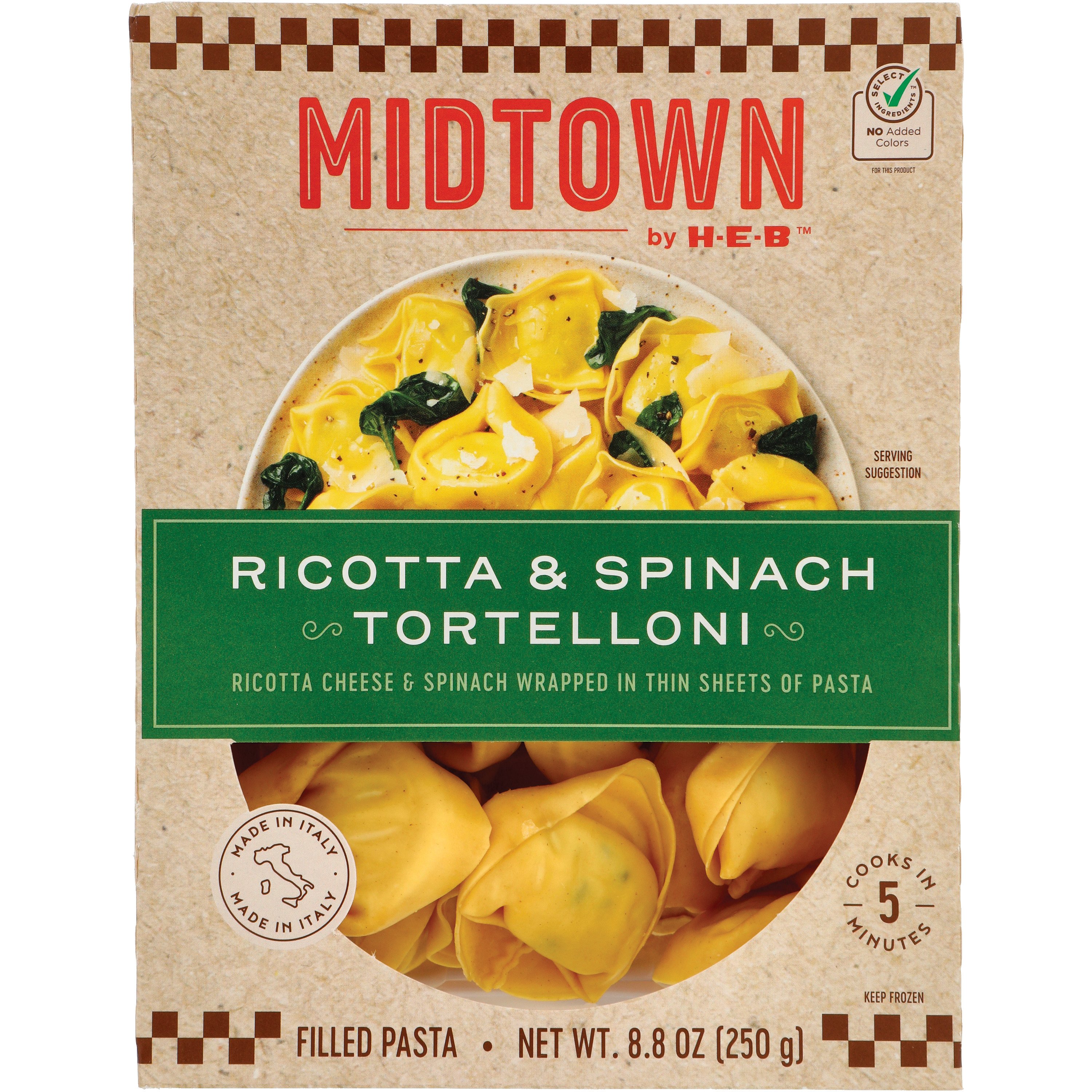
This product contains several high-quality ingredients such as durum wheat semolina, ricotta cheese, and spinach, which contribute positively to its nutritional profile. However, it is a processed food with a moderate level of processing, which limits its score. The presence of additives like citric acid and lactic acid, although not harmful, also reflects its processed nature.
Key ingredients 10
SpinachVery Good
Spinach is a nutrient-dense leafy green vegetable rich in vitamins and minerals. It provides antioxidants and fiber, supporting overall health. Its inclusion enhances the nutritional profile of the product.
Risks
Contains oxalates, which can contribute to kidney stone formation in susceptible individuals.
Benefits
Rich in vitamins A, C, and K, as well as iron and calcium, supporting immune function and bone health.
Pasteurized eggGood
Eggs are a high-quality source of protein and essential nutrients. Pasteurization ensures safety by reducing the risk of salmonella. They contribute to the richness and nutritional profile of the pasta.
Risks
Potential allergen for individuals with egg allergies.
Benefits
Rich in protein and essential nutrients like choline, supporting muscle health and brain function.
Ricotta cheeseGood
Ricotta cheese is a fresh cheese that adds creaminess and flavor to dishes. It is a good source of calcium and protein. Made from whey, it is lower in fat compared to other cheeses.
Risks
Contains lactose, which may be an issue for those with lactose intolerance.
Benefits
Provides calcium and protein, supporting bone health and muscle maintenance.
CreamGood
Traditional whole-fat dairy ingredient.
Risks
High in saturated fats, which can impact heart health if consumed in excess.
Benefits
Enhances flavor and texture, providing a rich mouthfeel.
Durum wheat semolinaNeutral
Standard formulation ingredient — neither beneficial nor harmful at typical use.
Risks
Contains gluten, which can be problematic for those with celiac disease or gluten sensitivity.
Benefits
Provides a good source of protein and complex carbohydrates, supporting sustained energy release.
Cultured wheyNeutral
Cultured whey is a byproduct of cheese production, often used to enhance flavor and texture. It contains beneficial probiotics when cultured. However, it is not a significant source of nutrients in small amounts.
Risks
May contain lactose, which can be problematic for lactose-intolerant individuals.
Benefits
May provide probiotics that support gut health.
SaltNeutral
Salt is used to enhance flavor and preserve food. It is essential for bodily functions but should be consumed in moderation. Excessive intake can lead to health issues like hypertension.
Risks
Excessive consumption can lead to high blood pressure and cardiovascular issues.
Benefits
Essential for maintaining fluid balance and nerve function.
Citric acidNeutral
Citric acid is a natural preservative and flavor enhancer found in citrus fruits. It is commonly used to add acidity and preserve freshness in foods. Generally recognized as safe when used in food products.
Benefits
Helps preserve food and enhance flavor without significant health concerns.
Lactic acidNeutral
Lactic acid is used as a preservative and acidity regulator in foods. It is produced naturally by fermentation and is generally safe for consumption. It can enhance the flavor profile of foods.
Benefits
Acts as a preservative and flavor enhancer, contributing to food safety and taste.
Wheat flourBad
Refined grain flour stripped of bran and germ.
Risks
May cause blood sugar spikes and is a common allergen for those with gluten sensitivity or celiac disease.
Benefits
Provides energy and is a key component in pasta texture and structure.
Processing
Processed Foods
Get the full breakdown in the Scout appTake Scout shopping
Scan any product to see lab results, healthy alternatives, and your personalized analysis.
Download on theApp Store GET IT ONGoogle Play