Vitamines C
At a glance
Summary
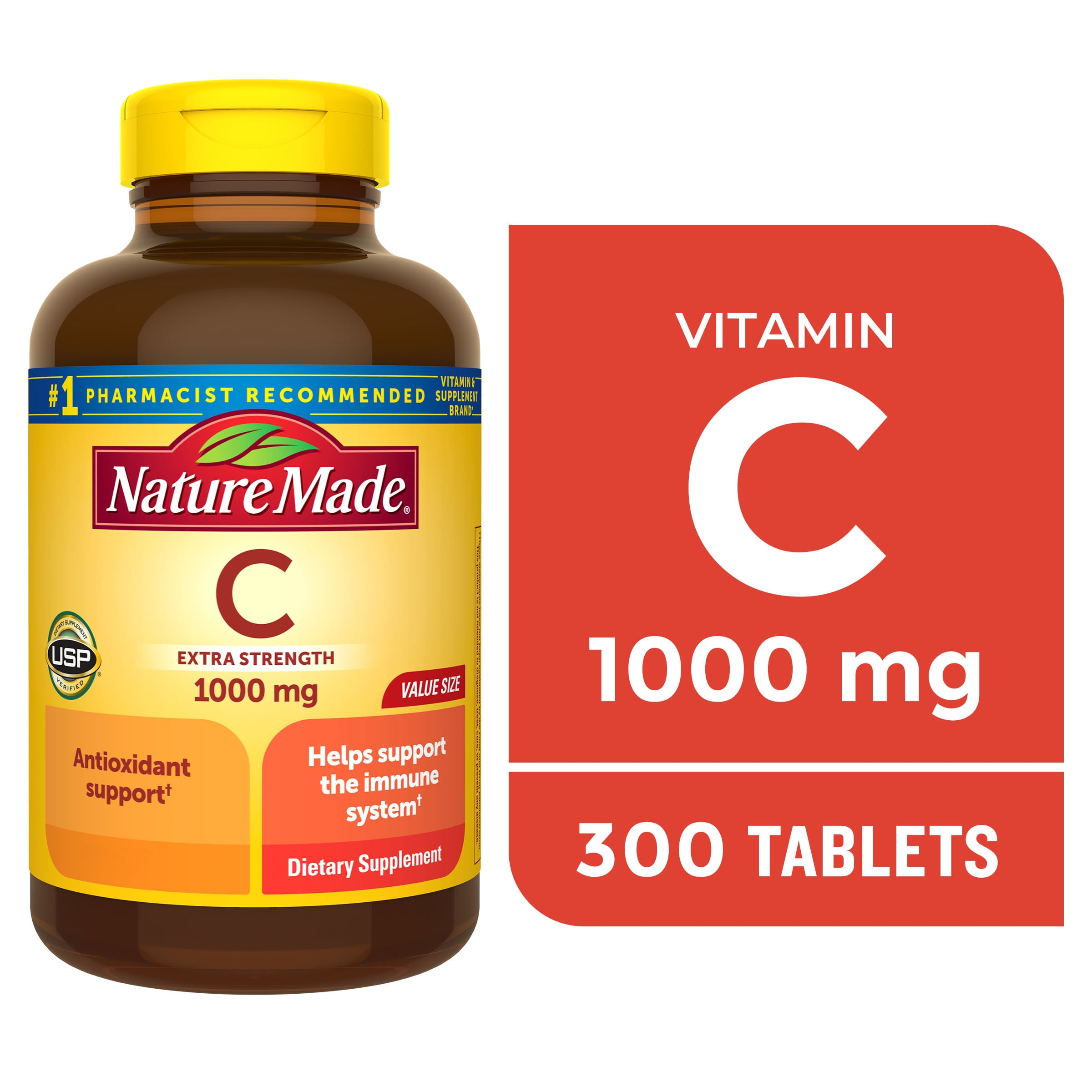
This vitamin C supplement includes beneficial ingredients like vitamin C and propolis extract, which support immune health. However, the presence of artificial sweeteners such as sucralose and synthetic binders like polyethylene glycol raises concerns about potential health impacts and processing level. Additionally, sorbitol, a sugar alcohol, may cause digestive discomfort for some individuals, further affecting the overall formulation quality.
Key ingredients 8
Vitamin CVery Good
Vitamin C is an essential nutrient known for its antioxidant properties and role in immune function. It is crucial for the synthesis of collagen and the maintenance of healthy skin and tissues. As a water-soluble vitamin, it is generally safe and beneficial when consumed in appropriate amounts.
Benefits
Supports immune health and acts as a powerful antioxidant.
Propolis ExtractGood
Propolis extract is known for its antimicrobial and anti-inflammatory properties. It is a natural substance collected by bees and has been used in traditional medicine for its potential health benefits. Its inclusion in supplements can support immune health.
Risks
May cause allergic reactions in individuals sensitive to bee products.
Benefits
Supports immune health and has antimicrobial properties.
RiboflavinGood
Essential B vitamin — beneficial micronutrient.
Benefits
Essential for energy production and cellular function.
SorbitolNeutral
Standard formulation ingredient — neither beneficial nor harmful at typical use.
Risks
Excessive consumption can lead to bloating, gas, and diarrhea.
Benefits
Provides a sweet taste with fewer calories than sugar.
Sodium BicarbonateNeutral
Sodium bicarbonate is used as a pH regulator and has no significant health impact when used in small amounts. It is commonly used in food processing to control acidity. Its role in this product is primarily functional, with no direct health benefits or risks.
See more about Sodium Bicarbonate →Citric AcidNeutral
Citric acid is a natural acidifier and preservative derived from citrus fruits. It is widely used in food products to enhance flavor and preserve freshness. While generally recognized as safe, it can cause dental erosion if consumed in excess.
Risks
Excessive consumption may lead to dental erosion.
Benefits
Enhances flavor and preserves freshness in food products.
Polyethylene GlycolBad
Polyethylene glycol is used as a binder and can be a concern due to its synthetic nature. It is a petroleum-derived compound often used in pharmaceuticals and cosmetics. While generally considered safe, its synthetic origin may be undesirable for some consumers.
Risks
May cause allergic reactions or gastrointestinal discomfort in sensitive individuals.
SucraloseBad
Sucralose is an artificial sweetener that can affect gut health and insulin response. It is widely used in low-calorie products but may alter gut microbiota and metabolic processes. Its artificial nature and potential health impacts are concerns for some consumers.
Risks
May alter gut microbiota and affect insulin response.
Benefits
Provides sweetness without calories, suitable for low-calorie diets.
Processing
Processed Foods
Get the full breakdown in the Scout appTake Scout shopping
Scan any product to see lab results, healthy alternatives, and your personalized analysis.