


At a glance
Summary
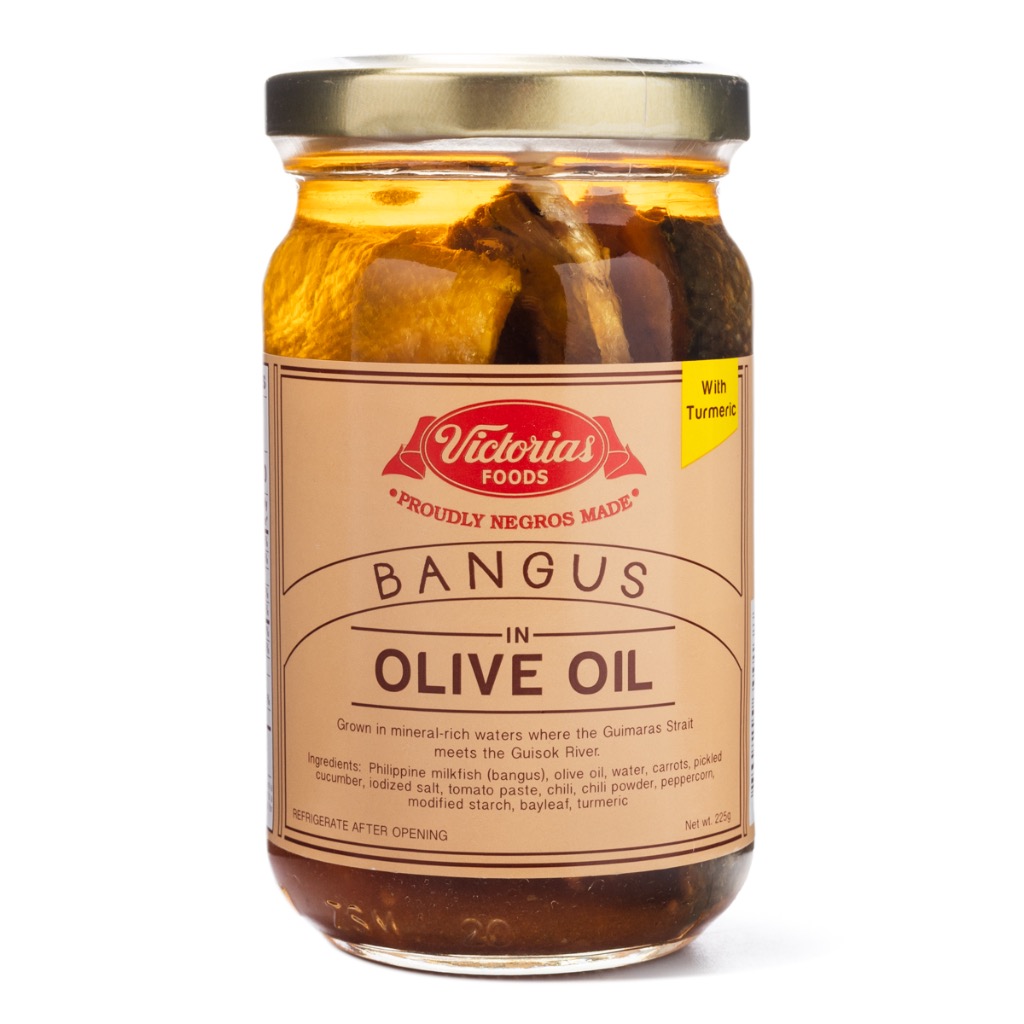
This product contains beneficial ingredients like Philippine Milkfish, which is a good source of protein and omega-3 fatty acids, and olive oil, known for its heart-healthy monounsaturated fats. However, the presence of soybean oil, a highly processed seed oil, detracts from its overall healthiness. The product is moderately processed, which limits its score despite the presence of several whole food ingredients.
Key ingredients 15
Philippine MilkfishVery Good
Philippine Milkfish is a high-quality source of protein and omega-3 fatty acids. It provides essential nutrients that support heart and brain health. As a whole food, it is minimally processed and nutrient-dense.
Benefits
Rich in omega-3 fatty acids which are beneficial for cardiovascular health and reducing inflammation.
Olive OilVery Good
Olive oil is a high-quality source of monounsaturated fats and antioxidants. It supports heart health and has anti-inflammatory properties. Cold-pressed extraction preserves its beneficial compounds.
Benefits
Rich in monounsaturated fats that support heart health and provide anti-inflammatory properties.
CarrotsGood
Carrots are a source of beta-carotene, fiber, and antioxidants. They support eye health and provide essential vitamins and minerals. As a whole food, they are minimally processed and contribute to a balanced diet.
Benefits
Rich in beta-carotene, which is converted to vitamin A in the body, supporting vision and immune function.
Tomato PasteGood
Tomato paste is concentrated with lycopene, an antioxidant linked to reduced risk of certain diseases. It enhances flavor and provides vitamins A and C. As a processed form of tomatoes, it retains many beneficial nutrients.
Benefits
Rich in lycopene, which may help reduce the risk of heart disease and certain cancers.
Whole PepperGood
Whole pepper adds flavor and contains piperine, which may enhance nutrient absorption. It is a natural spice with antioxidant properties. Its use in small amounts contributes to flavor without significant health risks.
Benefits
Contains piperine, which can enhance the absorption of certain nutrients and has antioxidant properties.
Chili PowderGood
Chili powder adds heat and contains capsaicin, which may boost metabolism and reduce inflammation. It is a natural spice with potential health benefits. Its use in moderation can enhance flavor and provide antioxidants.
Risks
May cause digestive discomfort in sensitive individuals.
Benefits
Contains capsaicin, which may aid in weight management and provide anti-inflammatory effects.
PeppercornGood
Peppercorn is a spice that enhances flavor and contains antioxidants. It is minimally processed and contributes to the overall taste profile. Its use in small amounts is generally safe and beneficial.
Benefits
Provides antioxidants and may enhance the absorption of other nutrients.
GarlicGood
Garlic is known for its potential cardiovascular benefits and immune-boosting properties. It contains allicin, which has antimicrobial effects. As a natural ingredient, it enhances flavor and provides health benefits.
Risks
May cause digestive discomfort in some individuals.
Benefits
Contains allicin, which may support heart health and has antimicrobial properties.
PaprikaGood
Paprika adds color and flavor, and contains antioxidants like vitamin A. It is a natural spice with potential health benefits. Its use in moderation can enhance flavor and provide nutrients.
Benefits
Rich in antioxidants, including vitamin A, which supports vision and immune function.
ParsleyGood
Parsley is a herb rich in vitamins A, C, and K, and antioxidants. It supports bone health and has anti-inflammatory properties. As a fresh herb, it enhances flavor and provides nutritional benefits.
Benefits
Rich in vitamins and antioxidants, supporting overall health and reducing inflammation.
WaterNeutral
Water is used as a solvent and carrier in food products. It is essential for hydration but does not contribute additional nutrients. In this context, it serves as a neutral ingredient without direct health impacts.
See more about Water →Pickled CucumberNeutral
Pickled cucumber provides a tangy flavor and some vitamins. The pickling process involves vinegar and salt, which can increase sodium content. It is a neutral ingredient with minimal nutritional impact.
Risks
High sodium content may be a concern for individuals with hypertension.
Benefits
Provides a small amount of vitamins and minerals, along with probiotics if naturally fermented.
Iodized SaltNeutral
Iodized salt is used to enhance flavor and provide iodine, an essential nutrient. It helps prevent iodine deficiency but should be consumed in moderation. Excessive intake can lead to health issues such as hypertension.
Risks
Excessive sodium intake can contribute to high blood pressure.
Benefits
Provides iodine, which is essential for thyroid function and metabolic regulation.
Bay LeavesNeutral
Bay leaves are used for flavoring and have minimal nutritional impact. They are typically removed before consumption and do not contribute significant nutrients. Their primary role is to enhance the aroma and taste of dishes.
See more about Bay Leaves →Soybean OilVery Bad
Soybean oil is a seed oil high in omega-6 fatty acids, which can promote inflammation if consumed in excess. It is often highly processed and may contain residues from chemical extraction methods. Compared to healthier oils, it lacks beneficial monounsaturated fats.
Risks
High omega-6 content may promote inflammation when consumed in excess.
Processing
Processed Foods
Get the full breakdown in the Scout appTake Scout shopping
Scan any product to see lab results, healthy alternatives, and your personalized analysis.
Download on theApp Store GET IT ONGoogle Play