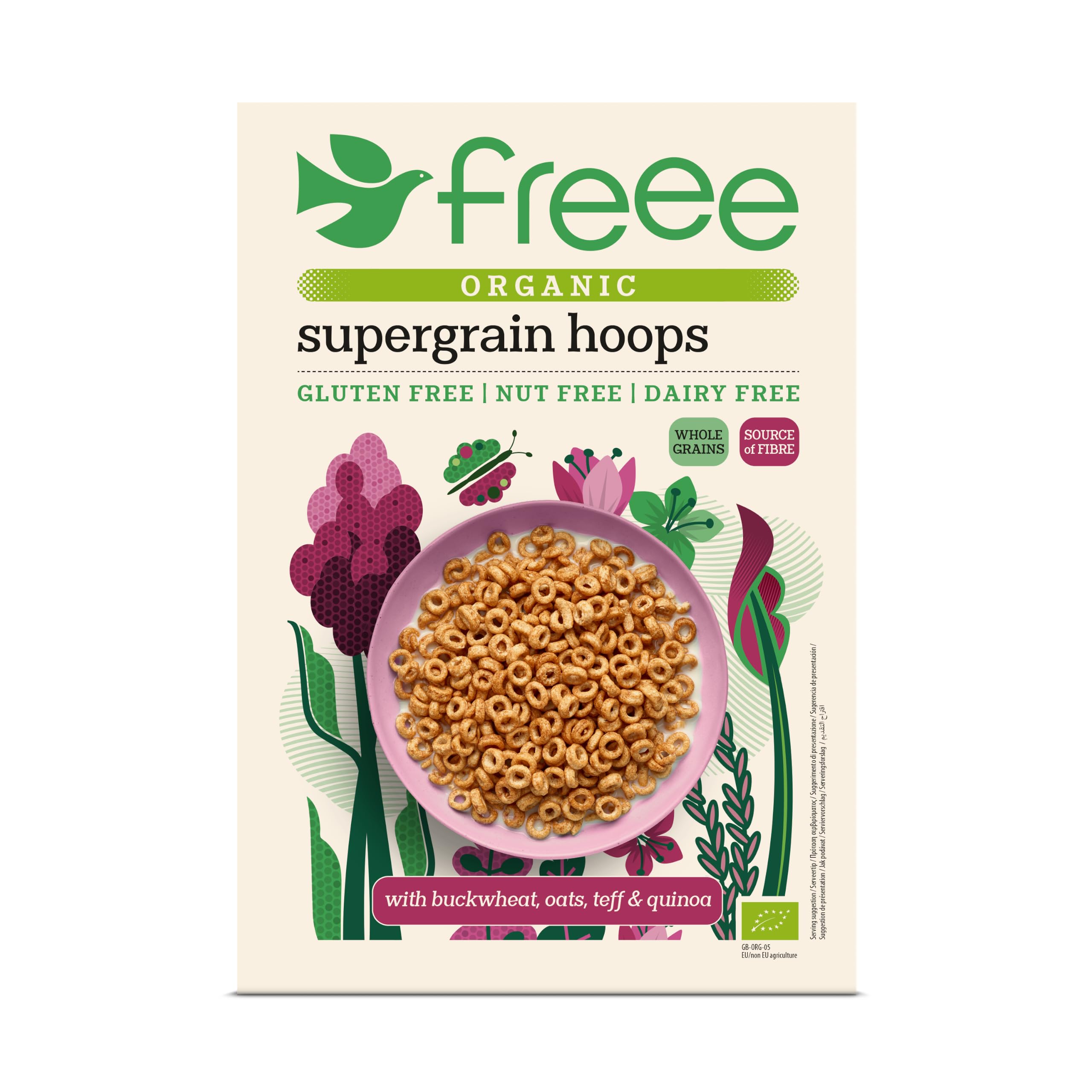
Coco Hoops
At a glance
Summary
Coco Hoops is a processed cereal with a high carbohydrate content and significant sugar levels, which can contribute to metabolic disorders and dental issues. While it contains beneficial vitamins and minerals like iron and B vitamins, the presence of refined sugar and the overall processing level limit its healthfulness. The lack of harmful additives beyond sugar is a positive aspect, but the product's processing and sugar content prevent a higher score.
Key ingredients 13
Fat-Reduced Cocoa PowderGood
Cocoa powder is rich in antioxidants and can support cardiovascular health. The fat-reduced version retains many of these benefits while lowering calorie content. It provides a chocolate flavor with less fat.
Benefits
Contains antioxidants that may support heart health and reduce inflammation.
IronGood
Iron is essential for oxygen transport in the blood and energy production. It is often added to foods to prevent anemia. Fortification helps meet daily nutritional needs.
Risks
Excessive iron intake can lead to toxicity, especially in individuals with hemochromatosis.
Benefits
Supports healthy blood function and prevents iron-deficiency anemia.
NiacinGood
Niacin, or vitamin B3, is important for energy metabolism and DNA repair. It is commonly added to foods to ensure adequate intake. Fortification helps prevent deficiencies.
Risks
High doses can cause flushing and liver damage.
Benefits
Supports energy production and skin health.
Pantothenic AcidGood
Pantothenic acid, or vitamin B5, is crucial for synthesizing coenzyme A, which is vital for fatty acid metabolism. It is added to foods to support metabolic health. Fortification ensures adequate intake.
Benefits
Supports energy metabolism and the synthesis of hormones.
Vitamin B6Good
Vitamin B6 is essential for protein metabolism and cognitive development. It is often added to foods to prevent deficiencies. Fortification supports brain health and immune function.
Risks
Excessive intake can lead to nerve damage.
Benefits
Supports brain health and immune function.
RiboflavinGood
Riboflavin, or vitamin B2, is important for energy production and skin health. It is added to foods to ensure adequate intake. Fortification helps prevent deficiencies.
Benefits
Supports energy production and skin health.
ThiaminGood
Thiamin, or vitamin B1, is crucial for carbohydrate metabolism and nerve function. It is commonly added to foods to prevent deficiencies. Fortification supports energy metabolism.
Benefits
Supports energy metabolism and nerve function.
Folic AcidGood
Folic acid is vital for DNA synthesis and cell division. It is added to foods to prevent neural tube defects in pregnancy. Fortification ensures adequate intake for reproductive health.
Risks
Excessive intake can mask vitamin B12 deficiency.
Benefits
Supports fetal development and prevents birth defects.
Vitamin DGood
Vitamin D is essential for calcium absorption and bone health. It is often added to foods to prevent deficiencies, especially in regions with limited sunlight. Fortification supports immune function and bone health.
Risks
Excessive intake can lead to hypercalcemia and kidney damage.
Benefits
Supports bone health and immune function.
Vitamin B12Good
Vitamin B12 is crucial for nerve function and red blood cell formation. It is added to foods to prevent deficiencies, especially in vegetarians and the elderly. Fortification supports cognitive health and energy production.
Benefits
Supports nerve health and red blood cell production.
Maize FlourNeutral
Maize flour is a basic carbohydrate source providing energy. It is minimally processed and generally considered a staple ingredient in many diets. However, it lacks significant nutritional benefits beyond its carbohydrate content.
Benefits
Provides a source of carbohydrates for energy.
SaltNeutral
Salt is used to enhance flavor and preserve food. It is a necessary nutrient but should be consumed in moderation. Excessive intake can lead to hypertension and cardiovascular issues.
Risks
High sodium intake can contribute to high blood pressure and cardiovascular disease.
Benefits
Essential for maintaining fluid balance and nerve function.
SugarBad
Refined sugar is associated with increased risk of obesity and metabolic disorders. It is a high-calorie ingredient with no essential nutrients. Excessive consumption can lead to dental issues and contribute to chronic diseases.
Risks
High intake of refined sugar can lead to weight gain, insulin resistance, and increased risk of type 2 diabetes.
Processing
Processed Foods
Get the full breakdown in the Scout appTake Scout shopping
Scan any product to see lab results, healthy alternatives, and your personalized analysis.
Are you Co-op Free From? Fix an error Get the badge Get tested