


At a glance
Summary
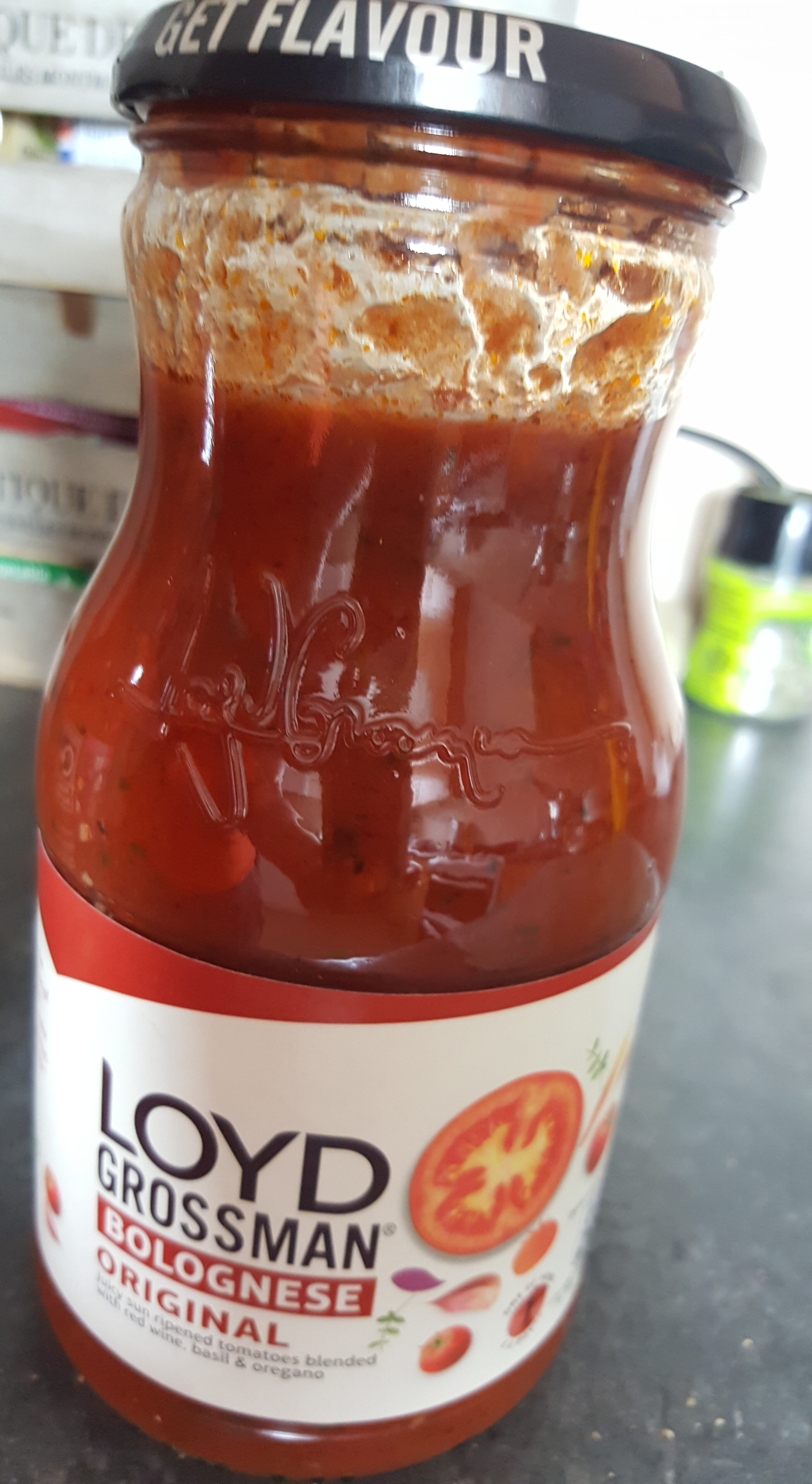
This product contains a mix of beneficial ingredients like tomatoes, extra virgin olive oil, and various vegetables, which contribute to its nutritional value. However, the presence of refined sugar and sunflower oil, a seed oil high in omega-6 fatty acids, detracts from its healthiness. The product is moderately processed, which limits its score despite the inclusion of some high-quality ingredients.
Key ingredients 18
TomatoesVery Good
Tomatoes are rich in vitamins A and C and contain lycopene, a powerful antioxidant. They are minimally processed and provide essential nutrients. Their natural sugars and acids enhance flavor without added sugars.
Benefits
High in antioxidants and vitamins that support immune function and skin health. Lycopene may reduce the risk of certain chronic diseases.
Extra virgin olive oilVery Good
Extra virgin olive oil is a high-quality monounsaturated fat with anti-inflammatory properties. It contains antioxidants that support heart health. Cold-pressed extraction preserves beneficial compounds.
Benefits
Rich in monounsaturated fats that support heart health and provide anti-inflammatory properties. Contains antioxidants like vitamin E and polyphenols that may reduce oxidative stress.
Tomato pasteGood
Tomato paste is concentrated and provides a rich source of lycopene and other antioxidants. It is made by cooking tomatoes to remove water, enhancing nutrient density. This ingredient adds depth of flavor and nutritional value.
Benefits
Concentrated source of antioxidants and vitamins, supporting heart health and reducing inflammation.
CarrotGood
Carrots are a good source of beta-carotene, fiber, and vitamins. They are minimally processed and add natural sweetness and nutrients. Their inclusion enhances the nutritional profile of the dish.
Benefits
Rich in beta-carotene, which supports eye health and immune function.
OnionGood
Onions are rich in antioxidants and sulfur-containing compounds. They are minimally processed and add flavor and nutrients. Their compounds may support heart health and immune function.
Benefits
Contains antioxidants and compounds that may reduce inflammation and support cardiovascular health.
CeleryGood
Celery is low in calories and provides fiber, vitamins, and minerals. It is minimally processed and adds flavor and nutrients. Its inclusion supports digestive health and hydration.
Benefits
Provides fiber and essential nutrients, supporting digestion and hydration.
Garlic puréeGood
Garlic purée provides allicin, a compound with potential health benefits. It is minimally processed and enhances flavor and nutrition. Allicin may support heart health and immune function.
Benefits
Contains allicin, which may have antimicrobial and cardiovascular benefits.
Sea saltGood
Sea salt is a minimally processed source of sodium and trace minerals. It enhances flavor without the additives found in refined salt. Its natural mineral content can support electrolyte balance.
Risks
Excessive sodium intake can lead to hypertension, but moderate use is generally safe.
Benefits
Provides essential minerals and supports electrolyte balance.
OreganoGood
Oregano is an herb rich in antioxidants and has antimicrobial properties. It is minimally processed and enhances flavor and nutrition. Its compounds may support immune health.
Benefits
Contains antioxidants and compounds that may support immune function and reduce inflammation.
BasilGood
Basil is an herb with antioxidants and anti-inflammatory properties. It is minimally processed and adds flavor and nutrients. Its compounds may support cardiovascular health.
Benefits
Rich in antioxidants and compounds that may support heart health and reduce inflammation.
Ground black pepperGood
Ground black pepper contains piperine, which may enhance nutrient absorption. It is minimally processed and adds flavor and potential health benefits. Piperine may support digestion and metabolism.
Benefits
May enhance nutrient absorption and support digestive health.
ThymeGood
Thyme is an herb with antioxidants and antimicrobial properties. It is minimally processed and enhances flavor and nutrition. Its compounds may support respiratory health.
Benefits
Contains antioxidants and compounds that may support immune and respiratory health.
Red wineNeutral
Red wine is used in cooking for its flavor and potential antioxidant content. The alcohol content is typically reduced during cooking. It provides a complex flavor profile but minimal nutritional benefits.
Risks
Excessive consumption of alcohol can lead to health issues, but cooking reduces alcohol content significantly.
Benefits
May provide antioxidants such as resveratrol, though benefits are minimal in cooked form.
Concentrated lemon juiceNeutral
Concentrated lemon juice adds acidity and flavor but is processed to remove water. It provides minimal nutritional benefits. Its primary role is flavor enhancement.
Benefits
Adds flavor and acidity, enhancing the overall taste profile.
NutmegNeutral
Nutmeg is a spice used for flavoring and has minimal nutritional benefits. It is used in small quantities and is minimally processed. Its primary role is to enhance flavor.
Risks
Excessive consumption can lead to toxicity, but typical culinary use is safe.
Benefits
Adds flavor and aroma, enhancing the overall taste profile.
Bay leafNeutral
Bay leaf is used for flavoring and has minimal nutritional benefits. It is minimally processed and used in small quantities. Its primary role is to enhance flavor.
Benefits
Adds flavor and aroma, enhancing the overall taste profile.
SugarBad
Refined sugar is added for sweetness but provides no nutritional benefits. It is highly processed and can contribute to health issues when consumed in excess. Its inclusion is primarily for taste enhancement.
Risks
Excessive consumption can lead to weight gain, insulin resistance, and other metabolic issues.
Sunflower oilVery Bad
Sunflower oil is a seed oil high in omega-6 fatty acids, which can promote inflammation. It is highly processed and lacks beneficial nutrients. Its use is discouraged due to potential health risks.
Risks
High omega-6 content may promote inflammation when consumed in excess.
Processing
Processed Foods
Get the full breakdown in the Scout appTake Scout shopping
Scan any product to see lab results, healthy alternatives, and your personalized analysis.
Download on theApp Store GET IT ONGoogle Play