
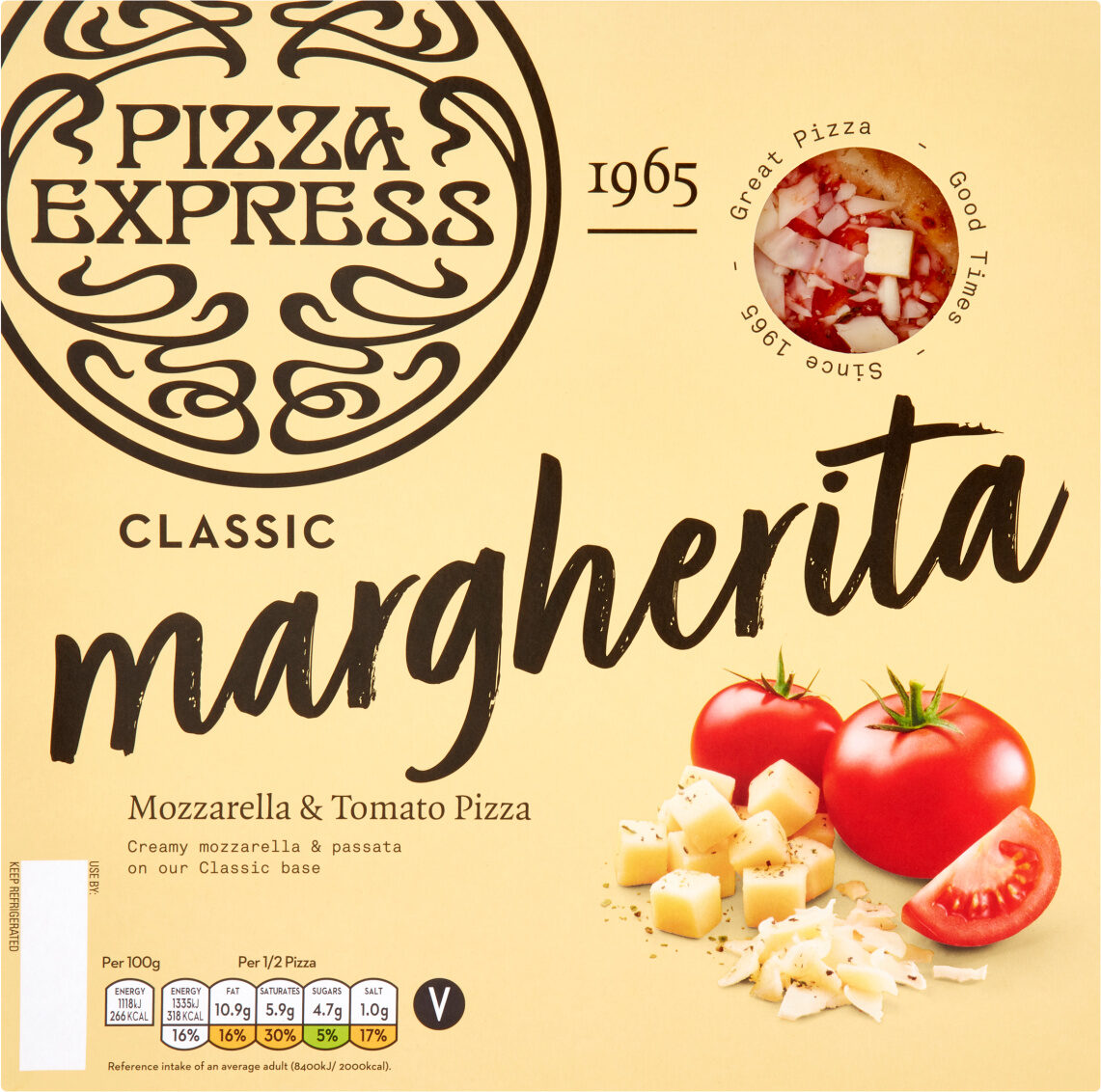


At a glance
Summary
This product contains beneficial ingredients such as mozzarella cheese, tomatoes, and herbs, which provide essential nutrients and antioxidants. However, the presence of rapeseed oil, a seed oil high in omega-6 fatty acids, and refined sugar, which contributes empty calories, detracts from its overall healthiness. The product is moderately processed, which limits its score despite the presence of some nutritious components.
Key ingredients 13
TomatoVery Good
Tomatoes are rich in vitamins A and C and antioxidants like lycopene, which may reduce the risk of chronic diseases. They are low in calories and provide dietary fiber. The natural sugars in tomatoes are balanced by their nutrient content.
Benefits
High in antioxidants and vitamins, supporting immune function and reducing inflammation.
Mozzarella CheeseGood
Mozzarella cheese is a good source of protein and calcium, supporting bone health. It is made from milk and contains beneficial fats and vitamins. The fermentation process can also provide probiotics.
Risks
Contains lactose, which may cause digestive issues for lactose-intolerant individuals.
Benefits
Rich in calcium and protein, supporting bone and muscle health.
Tomato PuréeGood
Tomato purée is concentrated tomato, providing a rich source of vitamins and antioxidants. It enhances flavor and nutritional content in dishes. The processing retains most of the beneficial compounds found in fresh tomatoes.
Benefits
Concentrated source of vitamins and antioxidants, supporting overall health.
Lemon JuiceGood
Lemon juice is rich in vitamin C and antioxidants, supporting immune function and skin health. It adds flavor and acidity to dishes, enhancing taste and nutrient absorption. The natural acidity can also aid digestion.
Benefits
High in vitamin C and antioxidants, supporting immune health and digestion.
OreganoGood
Oregano is a herb rich in antioxidants and anti-inflammatory compounds. It adds flavor and aroma to dishes, enhancing culinary appeal. The essential oils in oregano may have antimicrobial properties.
Benefits
Rich in antioxidants and essential oils, supporting health and flavor.
Black PepperGood
Black pepper is a spice that enhances flavor and may aid digestion. It contains piperine, which can improve nutrient absorption and has antioxidant properties. Used in moderation, it adds culinary and health benefits.
Benefits
Enhances flavor and nutrient absorption, with antioxidant properties.
BasilGood
Basil is a herb rich in vitamins and antioxidants, supporting overall health. It adds flavor and aroma to dishes, enhancing culinary appeal. The essential oils in basil may have anti-inflammatory and antimicrobial properties.
Benefits
Rich in antioxidants and essential oils, supporting health and flavor.
SemolinaNeutral
Semolina is a coarse flour made from durum wheat, providing carbohydrates and some protein. It is commonly used in pasta and bread products. While it offers energy, it lacks the fiber and nutrients of whole grain options.
Risks
May cause allergic reactions in individuals with gluten intolerance or celiac disease.
Benefits
Provides energy and some protein, commonly used in pasta and bread.
SaltNeutral
Salt is used to enhance flavor and preserve food. It is a source of sodium, an essential mineral for fluid balance and nerve function. However, excessive intake can lead to health issues like hypertension.
Risks
Excessive consumption can lead to high blood pressure and cardiovascular issues.
Benefits
Essential for fluid balance and nerve function in moderation.
YeastNeutral
Yeast is used in baking to leaven dough, contributing to texture and flavor. It is a natural source of B vitamins and protein. While beneficial in baking, it does not provide significant nutritional value in small amounts.
Benefits
Contributes to dough leavening and flavor, providing some B vitamins and protein.
Wheat FlourBad
Refined grain flour stripped of bran and germ.
Risks
May cause allergic reactions in individuals with gluten intolerance or celiac disease.
Benefits
Provides energy and essential nutrients like iron and B vitamins when enriched.
SugarBad
Refined sugar is a source of empty calories, contributing to energy intake without providing essential nutrients. It can lead to weight gain and metabolic issues when consumed in excess. The processing removes any beneficial compounds found in natural sources.
Risks
Excessive consumption can lead to weight gain, insulin resistance, and dental issues.
Rapeseed OilVery Bad
Rapeseed oil is a seed oil high in omega-6 fatty acids, which can promote inflammation when consumed in excess. It is often highly processed, which may reduce its nutritional quality. The extraction process can involve chemical solvents.
Risks
High omega-6 content may promote inflammation when consumed in excess.
Processing
Processed Foods
Get the full breakdown in the Scout appTake Scout shopping
Scan any product to see lab results, healthy alternatives, and your personalized analysis.
Download on theApp Store GET IT ONGoogle Play