
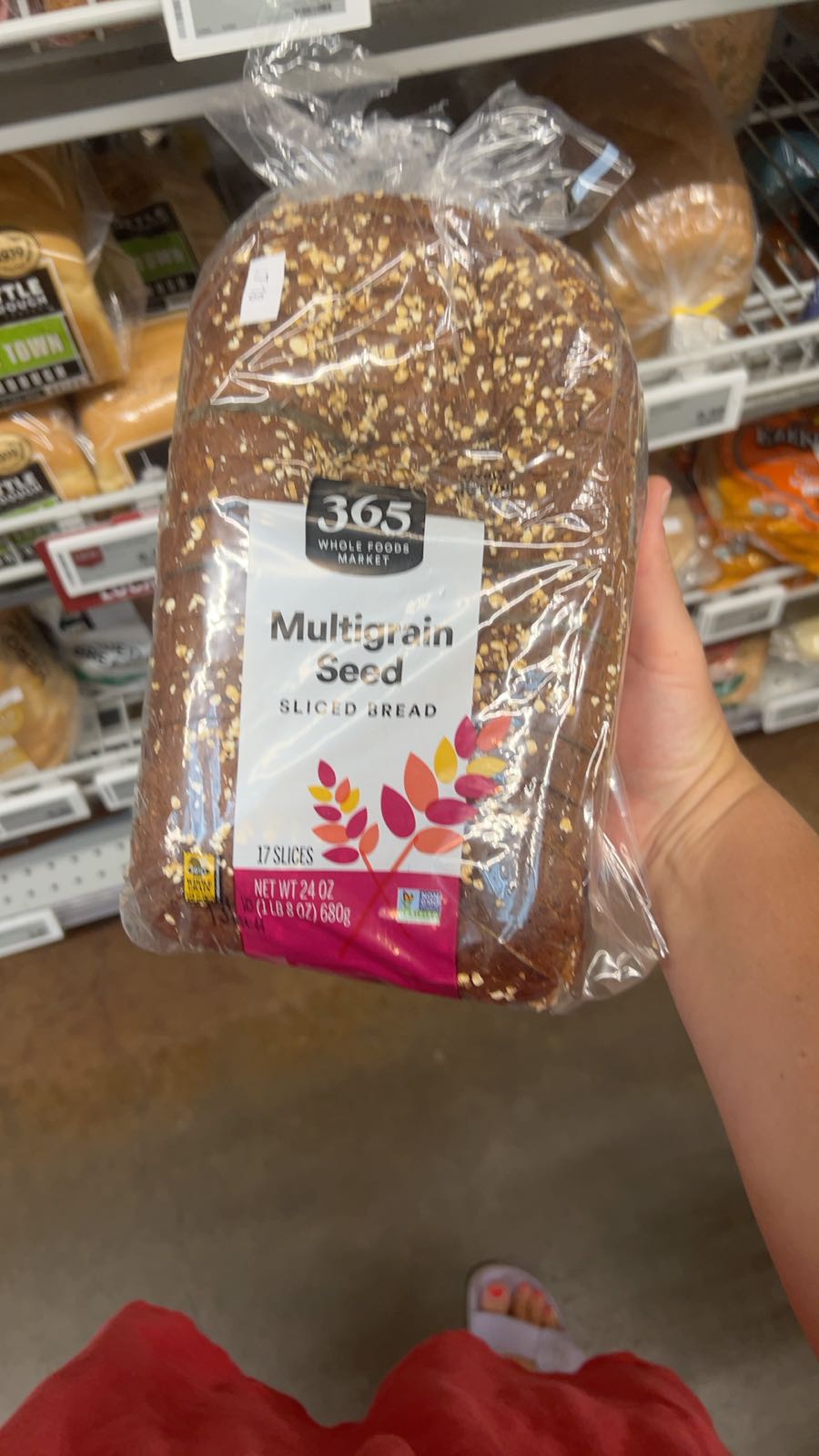
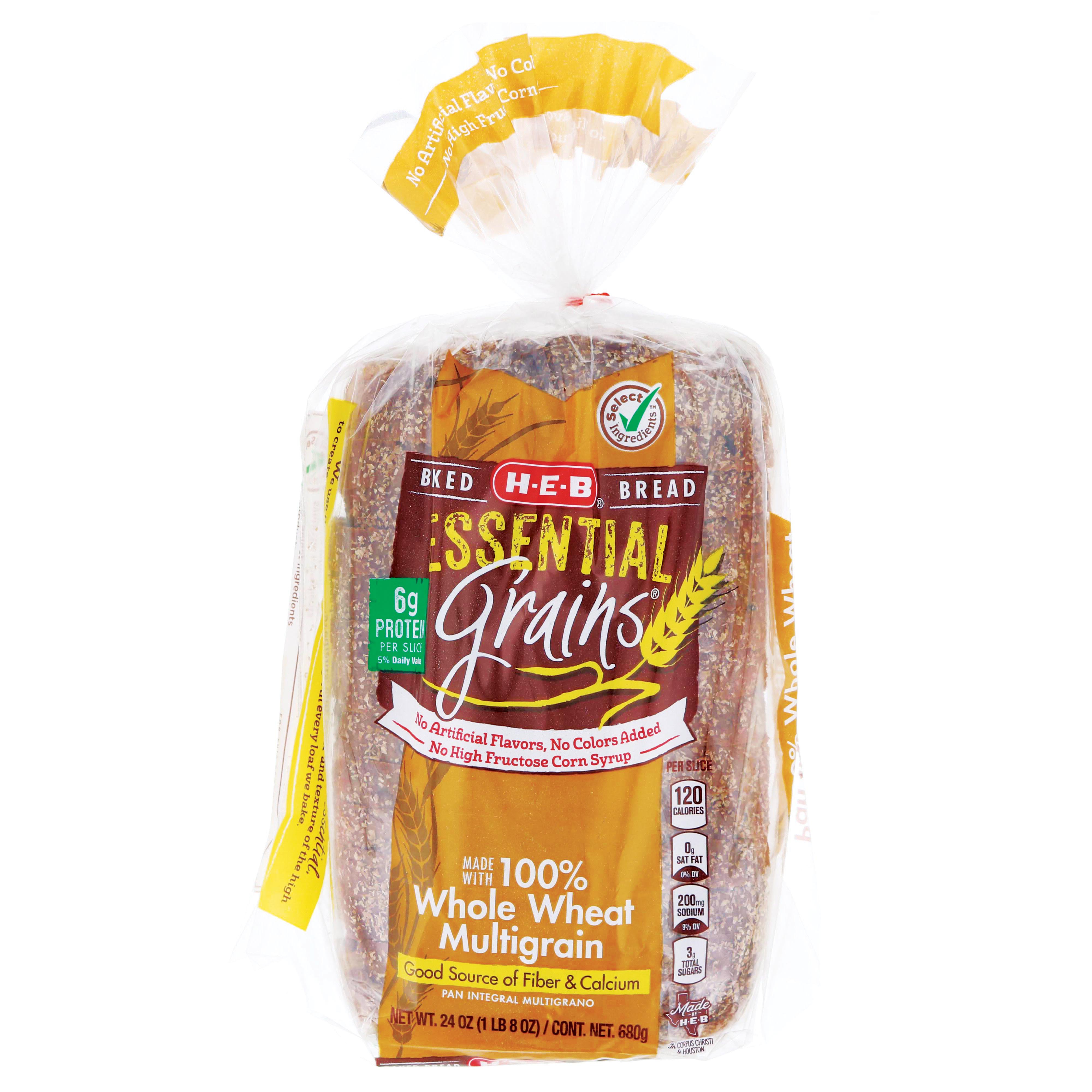
Multigrain Fiber Bread
Near you
Trader Joe's is carried at Trader Joe stores. Find one within 25 miles.
Summary
This multigrain fiber bread contains beneficial whole grains and seeds, providing a good source of fiber and essential nutrients. However, the presence of highly processed ingredients like soybean and canola oils, along with added sugars, detracts from its healthfulness. The product's high processing level further limits its score, despite the inclusion of some nutritious components.
At a glance
Key ingredients 19
WaterNeutral
Water is a neutral ingredient used as a solvent and to provide moisture in bread. It is essential for the dough formation and yeast activation. No significant health impacts are associated with water in this context.
See more about Water →Whole Wheat FlourGood
Whole wheat flour is a good source of dietary fiber and essential nutrients. It is less processed than refined flour, retaining more vitamins and minerals. This ingredient supports digestive health and provides sustained energy.
Risks
May cause allergic reactions in individuals with wheat allergies or gluten intolerance.
Benefits
Rich in dietary fiber, vitamins, and minerals, supporting digestive health and providing sustained energy.
Wheat GlutenNeutral
Wheat gluten is used to improve the texture and elasticity of bread. It is a protein component of wheat that helps bread rise and maintain its shape. While beneficial for bread quality, it may pose issues for those with gluten sensitivity.
Risks
Can cause adverse reactions in individuals with celiac disease or gluten sensitivity.
Benefits
Improves bread texture and elasticity, contributing to a better rise and structure.
Oat FiberGood
Oat fiber is a beneficial ingredient that adds dietary fiber to the bread. It supports digestive health and can help regulate blood sugar levels. This ingredient is minimally processed and retains its nutritional benefits.
Benefits
Supports digestive health and helps regulate blood sugar levels due to its high fiber content.
Eight Grain And Seed BlendVery Good
This blend includes a variety of whole grains and seeds, providing a diverse nutrient profile. It is rich in fiber, vitamins, and minerals, supporting overall health. The inclusion of flax seed adds omega-3 fatty acids, beneficial for heart health.
Risks
May cause allergic reactions in individuals sensitive to specific grains or seeds.
Benefits
Rich in fiber, vitamins, minerals, and omega-3 fatty acids, supporting heart health and overall nutrition.
Rolled WheatGood
Rolled wheat is a whole grain ingredient that adds texture and nutritional value to the bread. It is a source of dietary fiber and essential nutrients. This ingredient supports digestive health and provides a hearty texture.
Risks
May cause allergic reactions in individuals with wheat allergies or gluten intolerance.
Benefits
Provides dietary fiber and essential nutrients, supporting digestive health and adding texture.
HoneyNeutral
Honey is used as a natural sweetener in the bread. It provides a mild sweetness and some antioxidants. While it is a better alternative to refined sugars, it should be consumed in moderation.
Risks
Excessive consumption can contribute to increased sugar intake.
Benefits
Provides natural sweetness and some antioxidants, offering a better alternative to refined sugars.
Brown SugarBad
Brown sugar is a refined sugar that contributes to the sweetness of the bread. It is processed and can contribute to increased calorie intake without significant nutritional benefits. Excessive consumption can lead to health issues like obesity and diabetes.
Risks
High sugar content can contribute to obesity, diabetes, and other health issues when consumed in excess.
Benefits
Provides sweetness, but offers no significant nutritional benefits.
Soybean OilVery Bad
Soybean oil is a seed oil high in omega-6 fatty acids, which can promote inflammation when consumed in excess. It is highly processed and often extracted using chemical solvents. This ingredient is considered unhealthy due to its potential to disrupt the omega-3 to omega-6 balance.
Risks
High omega-6 content may promote inflammation and disrupt the omega-3 to omega-6 balance.
Sunflower SeedsGood
Sunflower seeds are a nutritious addition, providing healthy fats, protein, and essential nutrients. They are a good source of vitamin E and antioxidants. These seeds support heart health and provide a crunchy texture.
Risks
May cause allergic reactions in individuals with seed allergies.
Benefits
Rich in healthy fats, protein, and vitamin E, supporting heart health and providing antioxidants.
Rolled OatsGood
Rolled oats are a whole grain ingredient that adds fiber and nutrients to the bread. They support heart health and help regulate blood sugar levels. This ingredient is minimally processed, retaining its nutritional benefits.
Benefits
Supports heart health and helps regulate blood sugar levels due to its high fiber content.
Cultured Whole Wheat FlourGood
Cultured whole wheat flour is used to enhance the flavor and shelf life of the bread. It is less processed than refined flour and retains more nutrients. This ingredient supports digestive health and provides a natural preservative effect.
Risks
May cause allergic reactions in individuals with wheat allergies or gluten intolerance.
Benefits
Enhances flavor and shelf life while supporting digestive health with retained nutrients.
SaltNeutral
Salt is used to enhance flavor and control yeast activity in bread. It is a common ingredient in baking, but excessive consumption can lead to health issues. In moderation, it is essential for proper bodily functions.
Risks
Excessive consumption can lead to high blood pressure and other health issues.
Benefits
Enhances flavor and controls yeast activity, essential for proper bodily functions in moderation.
YeastNeutral
Yeast is a leavening agent that helps the bread rise by producing carbon dioxide. It is a natural ingredient used in baking to improve texture and volume. Yeast is generally considered safe and beneficial for bread making.
Benefits
Improves bread texture and volume, contributing to a better rise.
Sesame SeedsGood
Sesame seeds are a nutritious ingredient, providing healthy fats, protein, and essential minerals. They are a good source of calcium and antioxidants. These seeds support bone health and provide a nutty flavor.
Risks
May cause allergic reactions in individuals with seed allergies.
Benefits
Rich in healthy fats, protein, and calcium, supporting bone health and providing antioxidants.
Canola OilVery Bad
Canola oil is a seed oil high in omega-6 fatty acids, which can promote inflammation when consumed in excess. It is highly processed and often extracted using chemical solvents. This ingredient is considered unhealthy due to its potential to disrupt the omega-3 to omega-6 balance.
Risks
High omega-6 content may promote inflammation and disrupt the omega-3 to omega-6 balance.
VinegarNeutral
Vinegar is used as a natural preservative and flavor enhancer in bread. It can help improve the shelf life and taste of the product. Vinegar is generally considered safe and beneficial in small amounts.
Benefits
Acts as a natural preservative and flavor enhancer, improving shelf life and taste.
EnzymesNeutral
Enzymes are used to improve the texture and shelf life of bread. They are natural proteins that catalyze biochemical reactions. Enzymes are generally considered safe and beneficial for bread quality.
Benefits
Improve texture and shelf life, contributing to better bread quality.
Ascorbic AcidNeutral
Ascorbic acid is used as a dough conditioner to improve the texture and volume of bread. It is a form of vitamin C and acts as an antioxidant. While beneficial for bread quality, it does not significantly impact nutritional value.
Benefits
Improves texture and volume of bread, acting as an antioxidant.
Processing
Ultra-Processed Foods
Get the full breakdown in the Scout app
Scan any product to see lab results, healthy alternatives, and your personalized analysis.
Download on theApp Store