

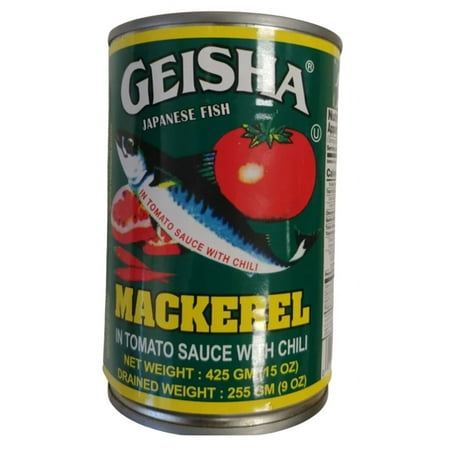

Skinless and boneless mackerel fillets in a katsu curry sauce
Analysis updated August 2026 · How Scout scores
At a glance
Summary
This product contains beneficial ingredients such as mackerel, which is rich in omega-3 fatty acids, and a variety of spices that offer antioxidant benefits. However, the presence of sunflower oil, a seed oil high in omega-6 fatty acids, and refined sugar detracts from its nutritional quality. The product is moderately processed, which limits its score despite the inclusion of some whole food ingredients.
Key ingredients 17
MackerelVery Good
Mackerel is a high-quality source of protein and omega-3 fatty acids, which are beneficial for heart and brain health. It is a nutrient-dense fish that provides essential vitamins and minerals. The absence of skin and bones makes it convenient and easy to consume.
Risks
Potential risk of mercury contamination, though generally lower in mackerel compared to larger fish.
Benefits
Rich in omega-3 fatty acids that support cardiovascular health and reduce inflammation. Provides a good source of protein and essential nutrients.
Apple PuréeGood
Apple purée is a natural source of dietary fiber and vitamins, particularly vitamin C. It adds natural sweetness and moisture to the product without the need for refined sugars. The use of whole fruit purée retains more nutrients compared to juice or concentrate.
Benefits
Provides natural sweetness and fiber, contributing to digestive health and nutrient intake.
Curry PowderGood
Curry powder is a blend of spices that can provide anti-inflammatory and antioxidant benefits. Ingredients like turmeric and ginger are known for their health-promoting properties. The combination of spices enhances flavor and may support digestive health.
Benefits
Contains spices with anti-inflammatory and antioxidant properties, supporting overall health.
Tomato PuréeGood
Tomato purée is a concentrated source of lycopene, an antioxidant that may reduce the risk of certain diseases. It provides vitamins A and C, contributing to immune function and skin health. The processing of tomatoes into purée retains many of their beneficial compounds.
Benefits
Rich in lycopene and vitamins, supporting heart health and providing antioxidant benefits.
TurmericGood
Turmeric is known for its anti-inflammatory and antioxidant properties, largely due to the compound curcumin. It is used in traditional medicine for its potential health benefits. The spice adds flavor and color to dishes while supporting overall health.
Benefits
Contains curcumin, which may reduce inflammation and provide antioxidant benefits.
Black PepperGood
Black pepper contains piperine, which enhances nutrient absorption and has antioxidant properties. It is a common spice that adds flavor and potential health benefits. Piperine may also support digestive health and improve bioavailability of other nutrients.
Benefits
Enhances nutrient absorption and provides antioxidant benefits.
CloveGood
Clove is a spice with antioxidant and antimicrobial properties, often used in traditional medicine. It adds flavor and potential health benefits to dishes. The spice contains eugenol, which may support oral health and reduce inflammation.
Benefits
Provides antioxidant and antimicrobial benefits, supporting overall health.
Corn StarchNeutral
Corn starch is a common thickening agent used in food products. It is highly processed and provides little nutritional value. It is generally considered safe for consumption in moderate amounts.
See more about Corn Starch →Dried Whole MilkNeutral
Dried whole milk is a source of protein and calcium, essential for bone health. It is a processed form of milk that retains most of its nutritional content. It can be a convenient source of dairy nutrients in shelf-stable form.
Risks
May pose allergy risks for individuals with lactose intolerance or milk allergies.
Benefits
Provides protein and calcium, supporting bone health and muscle function.
SaltNeutral
Salt is used to enhance flavor and preserve food. It is a necessary nutrient but should be consumed in moderation to avoid health issues. Excessive salt intake can lead to hypertension and cardiovascular problems.
Risks
High intake can lead to increased blood pressure and cardiovascular risks.
Benefits
Essential for maintaining fluid balance and nerve function.
Onion PowderNeutral
Onion powder is a dehydrated form of onion used for flavoring. It retains some of the beneficial compounds found in fresh onions. It is a convenient way to add onion flavor without the moisture content.
Benefits
Provides flavor and some antioxidant properties from compounds found in onions.
Star AniseNeutral
Star anise is a spice known for its distinct flavor and potential antimicrobial properties. It is used in small amounts for flavoring and may offer some health benefits. The spice is generally safe when used in culinary applications.
Benefits
May offer antimicrobial properties and adds unique flavor to dishes.
Soya BeanNeutral
Soybeans are a source of plant-based protein and contain isoflavones, which may have health benefits. They are used in various forms in food products. Soybeans can be part of a balanced diet but may pose allergy risks for some individuals.
Risks
May cause allergic reactions in sensitive individuals.
Benefits
Provides plant-based protein and isoflavones, which may support heart health.
Acetic AcidNeutral
Acetic acid is used as an acidity regulator and preservative in food products. It is a component of vinegar and generally recognized as safe. It helps maintain the stability and flavor of food products.
Benefits
Helps preserve food and maintain acidity levels.
SugarBad
Refined sugar is a source of empty calories and can contribute to weight gain and metabolic issues. It is highly processed and lacks nutritional value. Excessive consumption can lead to increased risk of chronic diseases such as diabetes and heart disease.
Risks
Excessive intake can lead to obesity, insulin resistance, and increased risk of chronic diseases.
Wheat FlourBad
Refined grain flour stripped of bran and germ.
Risks
May cause allergic reactions in individuals with gluten intolerance or celiac disease.
Benefits
Provides carbohydrates and some protein, contributing to energy intake.
Sunflower OilVery Bad
Sunflower oil is a seed oil high in omega-6 fatty acids, which can promote inflammation when consumed in excess. It is often highly processed, which can degrade its nutritional quality. The high omega-6 content can disrupt the omega-3 to omega-6 balance in the diet.
Risks
High omega-6 content may promote inflammation and contribute to chronic diseases when consumed excessively.
Processing
Processed Foods
Get the full breakdown in the Scout appTake Scout shopping
Scan any product to see lab results, healthy alternatives, and your personalized analysis.
Download on theApp Store GET IT ONGoogle Play