


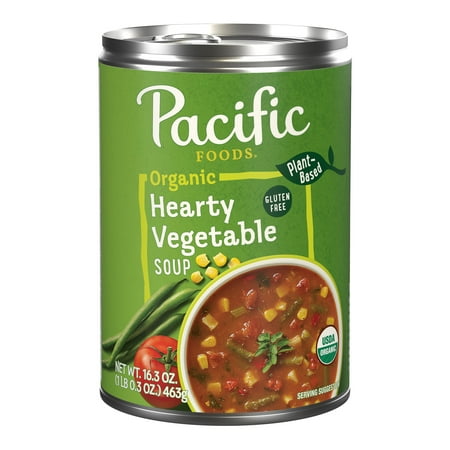
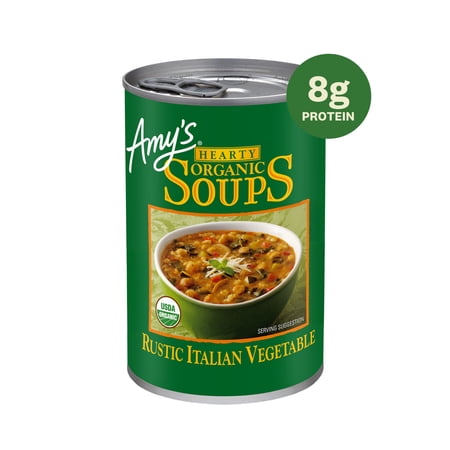

Progresso Organic Garden Vegetable Soup
Analysis updated May 2026 · How Scout scores
At a glance
Summary
This soup contains a variety of organic vegetables, which are beneficial for health due to their vitamins and antioxidants. However, the presence of canola oil, a seed oil that is often highly processed, and added sugar, which provides no essential nutrients, detracts from its overall healthiness. The product is moderately processed, which limits its score despite the clean ingredient list.
Key ingredients 23
CarrotsVery Good
Carrots are a nutrient-dense vegetable rich in beta-carotene. They are known for supporting eye health and providing dietary fiber. The organic certification ensures minimal pesticide residue.
Benefits
High in beta-carotene, which the body converts to vitamin A, supporting vision and immune health. Provides dietary fiber, aiding in digestion.
Tomato pureeGood
Tomato puree is a concentrated source of tomatoes, providing vitamins and antioxidants. It is often used to enhance flavor and nutritional content in soups. The organic nature of the tomatoes reduces pesticide exposure.
Benefits
Rich in lycopene, an antioxidant that may reduce the risk of certain diseases. Provides vitamins A and C, supporting immune function.
CeleryGood
Celery is a low-calorie vegetable that adds flavor and nutrients to soups. It contains antioxidants and is a source of dietary fiber. Organic celery reduces the risk of pesticide exposure.
Benefits
Contains antioxidants like flavonoids and vitamin C, which may reduce inflammation. Provides dietary fiber, supporting digestive health.
CornGood
Beneficial ingredient — whole-food or functional value in this product class.
Benefits
Provides carbohydrates for energy and contains small amounts of vitamins and minerals.
Diced tomatoes in tomato juiceGood
Diced tomatoes in tomato juice add flavor and nutrients to the soup. They are a source of vitamins and antioxidants. The organic certification ensures reduced pesticide exposure.
Benefits
Rich in lycopene and vitamin C, supporting immune health and reducing oxidative stress.
PeasGood
Peas are a good source of plant-based protein and fiber. They contribute to the nutritional profile of the soup. Organic peas reduce the risk of pesticide exposure.
Benefits
Provide protein and fiber, supporting muscle health and digestion. Contain vitamins and minerals like vitamin K and manganese.
PotatoesGood
Beneficial ingredient — whole-food or functional value in this product class.
Benefits
Provide carbohydrates for energy and contain small amounts of vitamins and minerals.
OnionGood
Onions add flavor and nutrients to the soup, containing antioxidants and vitamins. They are known for their potential anti-inflammatory properties. Organic onions reduce pesticide exposure.
Benefits
Contain antioxidants like quercetin, which may reduce inflammation and support heart health.
Red bell pepperGood
Red bell peppers are rich in vitamins and antioxidants, enhancing the nutritional value of the soup. They are known for their high vitamin C content. Organic certification ensures minimal pesticide residue.
Benefits
High in vitamin C, supporting immune function and skin health. Contains antioxidants that may reduce oxidative stress.
Sea saltGood
Unrefined sea salt — a minimally processed, natural source of sodium and essential trace minerals, and a legitimate whole-food seasoning. Treated as a positive ingredient.
Risks
Excessive sodium intake can lead to high blood pressure and cardiovascular issues.
Benefits
Provides essential sodium for electrolyte balance and nerve function.
Garlic powderGood
Garlic powder adds flavor and potential health benefits to the soup. It contains compounds that may support heart health. Organic garlic powder reduces pesticide exposure.
Benefits
Contains allicin, which may have cardiovascular benefits and antimicrobial properties.
Carrot powderGood
Carrot powder is a concentrated form of carrots, providing similar nutrients. It is used for flavor and nutritional enhancement. Organic carrot powder reduces pesticide exposure.
Benefits
Rich in beta-carotene, supporting vision and immune health.
ParsleyGood
Parsley is an herb that adds flavor and nutrients to the soup. It is rich in vitamins and antioxidants. Organic parsley reduces pesticide exposure.
Benefits
Contains vitamins A, C, and K, supporting immune and bone health.
WaterNeutral
Water is a neutral ingredient used as a base in soups. It is essential for hydration and acts as a solvent for other ingredients. No significant health impacts are associated with water in this context.
See more about Water →Corn starchNeutral
Corn starch is used as a thickening agent in soups. It is a processed carbohydrate with minimal nutritional value. The organic label indicates reduced pesticide use.
See more about Corn starch →Onion powderNeutral
Onion powder is used for flavoring and is a dehydrated form of onions. It retains some nutritional properties of fresh onions. Organic certification ensures reduced pesticide residue.
Benefits
Provides flavor and some antioxidants similar to fresh onions.
SpiceNeutral
Spice is used to enhance the flavor profile of the soup. The specific spices are not listed, making it difficult to assess individual health impacts. Organic certification suggests reduced pesticide use.
Benefits
May provide antioxidants and flavor enhancement.
Potato flourNeutral
Potato flour is used as a thickening agent and provides carbohydrates. It is a processed form of potatoes with minimal nutritional value. Organic certification suggests reduced pesticide use.
Benefits
Provides carbohydrates for energy.
Citric acidNeutral
Citric acid is used as a preservative and flavor enhancer in foods. It is naturally found in citrus fruits and is generally recognized as safe. It helps maintain the stability and freshness of the product.
Benefits
Helps preserve the freshness and flavor of the product.
Calcium chlorideNeutral
Calcium chloride is used as a firming agent in canned vegetables. It is generally recognized as safe and provides calcium. It helps maintain the texture of vegetables in the soup.
Benefits
Provides calcium, which is essential for bone health.
SugarBad
Sugar is added for sweetness but provides no essential nutrients. It is a refined carbohydrate that can contribute to health issues if consumed in excess. Organic sugar reduces pesticide exposure but does not mitigate health concerns.
Risks
Excessive sugar intake can lead to weight gain, insulin resistance, and dental issues.
Wheat flourBad
Refined grain flour stripped of bran and germ.
Risks
May cause adverse reactions in individuals with gluten intolerance or celiac disease.
Benefits
Provides carbohydrates and some protein, contributing to energy intake.
Canola oilVery Bad
Canola oil is a seed oil high in omega-6 fatty acids, which may promote inflammation. It is often highly processed, which can reduce its nutritional quality. Organic certification reduces pesticide exposure but does not mitigate health concerns.
Risks
High omega-6 content may promote inflammation when consumed in excess.
Processing
Processed Foods
Get the full breakdown in the Scout appTake Scout shopping
Scan any product to see lab results, healthy alternatives, and your personalized analysis.
Download on theApp Store GET IT ONGoogle Play