
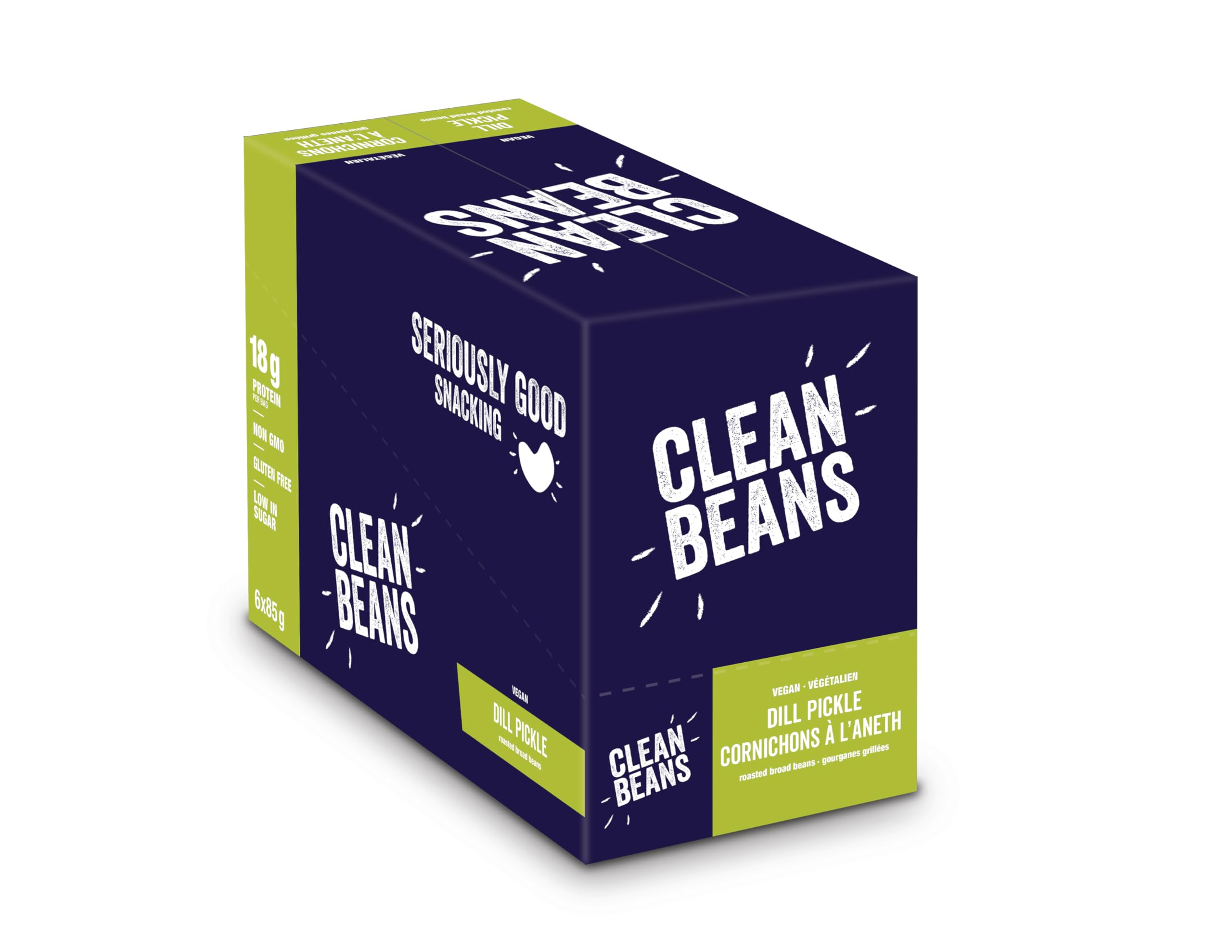


Clean Beans - Sweet mesquite bbq
Analysis updated September 2026 · How Scout scores
At a glance
Summary
This product contains beneficial ingredients like broad beans, which are rich in protein and fiber, and herbs such as basil and oregano that add nutritional value. However, it also includes cane sugar, a refined sugar that can contribute to increased calorie intake and potential blood sugar spikes. The product is processed, which limits its overall score despite the presence of several whole food ingredients.
Key ingredients 12
Broad beansVery Good
Broad beans are a rich source of protein and fiber, supporting digestive health and muscle maintenance. They are minimally processed and provide essential nutrients like folate and iron. Their natural composition makes them a beneficial whole food ingredient.
Benefits
High in protein and fiber, broad beans support digestive health and provide essential nutrients like folate and iron.
AppleGood
Apples are a natural source of fiber and vitamin C, contributing to overall health. They are minimally processed and provide antioxidants that support immune function. Their inclusion adds natural sweetness and nutritional value.
Benefits
Provides fiber, vitamin C, and antioxidants that support immune function and overall health.
CeleryGood
Celery is a low-calorie vegetable rich in vitamins and minerals, including vitamin K and potassium. It is minimally processed and supports hydration due to its high water content. Its inclusion adds nutritional value and flavor complexity.
Benefits
Rich in vitamins and minerals, supports hydration, and adds nutritional value.
BasilGood
Basil is an herb known for its aromatic properties and health benefits, including anti-inflammatory effects. It is minimally processed and provides antioxidants that may support overall health. Its inclusion enhances flavor and nutritional profile.
Benefits
Provides antioxidants and anti-inflammatory effects, enhancing flavor and health benefits.
OreganoGood
Oregano is a herb rich in antioxidants and has antimicrobial properties. It is minimally processed and supports immune health. Its inclusion adds flavor and potential health benefits.
Benefits
Rich in antioxidants and has antimicrobial properties, supporting immune health.
Corn starchNeutral
Corn starch is a common thickening agent used in food processing. It is highly processed but generally considered safe for consumption. It provides no significant nutritional benefits but is useful for texture and consistency in foods.
Risks
Excessive consumption may contribute to high carbohydrate intake without nutritional benefits.
SaltNeutral
Salt is a common seasoning that enhances flavor but can contribute to high sodium intake. It is minimally processed but lacks the trace minerals found in unrefined salts. Moderation is key to avoid potential health issues related to high sodium consumption.
Risks
Excessive intake can lead to hypertension and cardiovascular issues.
Benefits
Enhances flavor and is essential for various bodily functions in moderation.
Citric acidNeutral
Citric acid is a natural preservative and flavor enhancer commonly used in food products. It is processed but generally recognized as safe. It helps maintain freshness and enhances flavor without significant health impacts.
Benefits
Helps maintain freshness and enhances flavor.
Malic acidNeutral
Malic acid is a naturally occurring acid used to enhance flavor and preserve food. It is processed but considered safe for consumption. It adds tartness and helps maintain product stability.
Benefits
Enhances flavor and helps maintain product stability.
Cane sugarBad
Cane sugar is a refined sugar that can contribute to increased calorie intake and potential blood sugar spikes. It is processed to remove impurities, resulting in a high glycemic index. Regular consumption in large amounts may lead to health issues like obesity and diabetes.
Risks
High consumption can lead to obesity, diabetes, and other metabolic disorders.
Palm oilBad
Processed additive flagged under Scout's ingredient doctrine.
Risks
High in saturated fats, which may impact heart health if consumed in excess.
Benefits
Provides a stable cooking fat with a neutral flavor.
Yeast extractBad
Concentrated glutamate source — MSG-adjacent flavor enhancer.
Risks
May contain naturally occurring glutamates, which some individuals are sensitive to.
Benefits
Rich in B vitamins and enhances flavor without artificial additives.
Processing
Processed Foods
Get the full breakdown in the Scout appTake Scout shopping
Scan any product to see lab results, healthy alternatives, and your personalized analysis.
Download on theApp Store GET IT ONGoogle Play