Garden of Life Vitamin Code Healthy Blood 60 Capsules
Garden of Life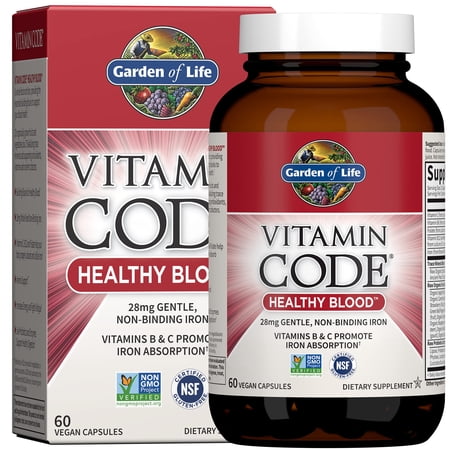
At a glance
Summary
This supplement features a high-quality formulation with bioavailable vitamins and minerals, including Vitamin C, B6, B12, and iron, which are essential for various bodily functions. The inclusion of organic whole food ingredients like spirulina and chlorella enhances its nutritional profile, while the absence of artificial additives, sweeteners, or harmful substances contributes to its high score. The product's minimal processing and use of organic ingredients further support its health benefits.
Key ingredients 48
Vitamin CVery Good
Vitamin C is a powerful antioxidant that supports immune function and skin health. It is essential for the synthesis of collagen and aids in the absorption of iron from plant-based foods. As a water-soluble vitamin, it is generally safe with no significant risks when consumed in appropriate amounts.
Benefits
Supports immune function, skin health, and enhances iron absorption.
Vitamin B6Very Good
Vitamin B6 is crucial for protein metabolism and cognitive development. It plays a role in the production of neurotransmitters and red blood cells. Being water-soluble, it is generally safe with no significant risks when consumed in recommended amounts.
Benefits
Supports protein metabolism, cognitive development, and red blood cell production.
FolateVery Good
Folate is essential for DNA synthesis and repair, making it crucial during periods of rapid growth such as pregnancy. It helps prevent neural tube defects in developing fetuses. As a water-soluble vitamin, it is generally safe with no significant risks when consumed in recommended amounts.
Benefits
Supports DNA synthesis and repair, and is crucial for fetal development.
IronVery Good
Iron is a critical component of hemoglobin, which transports oxygen in the blood. It is essential for energy production and immune function. While beneficial, excessive iron intake can lead to toxicity, so it should be consumed in recommended amounts.
Risks
Excessive intake can lead to iron toxicity, causing symptoms like nausea and organ damage.
Benefits
Essential for oxygen transport, energy production, and immune function.
Raw Organic SpirulinaVery Good
Spirulina is a nutrient-dense algae rich in protein, vitamins, and minerals. It has antioxidant and anti-inflammatory properties. Being organic, it is free from harmful pesticides and chemicals.
Benefits
Rich in protein, vitamins, and minerals with antioxidant properties.
Raw Organic Cracked-Wall ChlorellaVery Good
Chlorella is a type of algae that is high in protein and essential nutrients. The cracked-wall process enhances nutrient absorption. Being organic, it is free from harmful pesticides and chemicals.
Benefits
High in protein and nutrients, with enhanced absorption due to cracked-wall processing.
Organic AppleVery Good
Organic apples are rich in fiber, vitamins, and antioxidants. They support digestive health and may reduce the risk of chronic diseases. Being organic, they are free from harmful pesticides.
Benefits
Rich in fiber and antioxidants, supporting digestive health.
Organic BeetVery Good
Organic beets are high in nitrates, which can improve blood flow and lower blood pressure. They are also rich in vitamins and minerals. Being organic, they are free from harmful pesticides.
Benefits
High in nitrates, supporting blood flow and cardiovascular health.
Organic BroccoliVery Good
Organic broccoli is a cruciferous vegetable rich in vitamins, minerals, and antioxidants. It supports immune function and may reduce the risk of certain cancers. Being organic, it is free from harmful pesticides.
Benefits
Rich in nutrients and antioxidants, supporting immune function.
Organic CarrotVery Good
Organic carrots are high in beta-carotene, which is converted to vitamin A in the body. They support eye health and immune function. Being organic, they are free from harmful pesticides.
Benefits
High in beta-carotene, supporting eye health and immune function.
Organic SpinachVery Good
Organic spinach is rich in iron, vitamins, and antioxidants. It supports bone health and may reduce the risk of chronic diseases. Being organic, it is free from harmful pesticides.
Benefits
Rich in iron and antioxidants, supporting bone health.
Organic TomatoVery Good
Organic tomatoes are high in lycopene, an antioxidant that may reduce the risk of heart disease and cancer. They are also rich in vitamins and minerals. Being organic, they are free from harmful pesticides.
Benefits
High in lycopene, supporting heart health and reducing cancer risk.
Organic StrawberryVery Good
Organic strawberries are rich in vitamin C, fiber, and antioxidants. They support immune function and may reduce the risk of chronic diseases. Being organic, they are free from harmful pesticides.
Benefits
Rich in vitamin C and antioxidants, supporting immune function.
Organic Tart CherryVery Good
Organic tart cherries are high in antioxidants and anti-inflammatory compounds. They may improve sleep quality and reduce muscle soreness. Being organic, they are free from harmful pesticides.
Benefits
High in antioxidants, supporting sleep quality and reducing inflammation.
Organic BlackberryVery Good
Organic blackberries are rich in vitamins, fiber, and antioxidants. They support digestive health and may reduce the risk of chronic diseases. Being organic, they are free from harmful pesticides.
Benefits
Rich in fiber and antioxidants, supporting digestive health.
Organic Green Bell PepperVery Good
Organic green bell peppers are high in vitamin C and antioxidants. They support immune function and may reduce the risk of chronic diseases. Being organic, they are free from harmful pesticides.
Benefits
High in vitamin C, supporting immune function.
Organic Brussels SproutVery Good
Organic Brussels sprouts are rich in vitamins, minerals, and antioxidants. They support immune function and may reduce the risk of certain cancers. Being organic, they are free from harmful pesticides.
Benefits
Rich in nutrients and antioxidants, supporting immune function.
Organic BlueberryVery Good
Organic blueberries are high in antioxidants and vitamins. They support brain health and may reduce the risk of chronic diseases. Being organic, they are free from harmful pesticides.
Benefits
High in antioxidants, supporting brain health.
Organic GarlicVery Good
Organic garlic is known for its immune-boosting and anti-inflammatory properties. It may help reduce blood pressure and cholesterol levels. Being organic, it is free from harmful pesticides.
Benefits
Immune-boosting properties, supporting cardiovascular health.
Organic Green OnionVery Good
Organic green onions are rich in vitamins and antioxidants. They support immune function and may reduce the risk of chronic diseases. Being organic, they are free from harmful pesticides.
Benefits
Rich in vitamins and antioxidants, supporting immune function.
Organic RaspberryVery Good
Organic raspberries are high in fiber, vitamins, and antioxidants. They support digestive health and may reduce the risk of chronic diseases. Being organic, they are free from harmful pesticides.
Benefits
High in fiber and antioxidants, supporting digestive health.
Organic ParsleyVery Good
Organic parsley is rich in vitamins, minerals, and antioxidants. It supports bone health and may reduce the risk of chronic diseases. Being organic, it is free from harmful pesticides.
Benefits
Rich in nutrients and antioxidants, supporting bone health.
Organic CauliflowerVery Good
Organic cauliflower is a cruciferous vegetable rich in vitamins, minerals, and antioxidants. It supports immune function and may reduce the risk of certain cancers. Being organic, it is free from harmful pesticides.
Benefits
Rich in nutrients and antioxidants, supporting immune function.
Organic Red CabbageVery Good
Organic red cabbage is high in vitamins, fiber, and antioxidants. It supports digestive health and may reduce the risk of chronic diseases. Being organic, it is free from harmful pesticides.
Benefits
High in fiber and antioxidants, supporting digestive health.
Organic KaleVery Good
Organic kale is a nutrient-dense leafy green rich in vitamins, minerals, and antioxidants. It supports bone health and may reduce the risk of chronic diseases. Being organic, it is free from harmful pesticides.
Benefits
Rich in nutrients and antioxidants, supporting bone health.
Organic CucumberVery Good
Organic cucumbers are hydrating and rich in vitamins and antioxidants. They support skin health and may reduce the risk of chronic diseases. Being organic, they are free from harmful pesticides.
Benefits
Hydrating and rich in antioxidants, supporting skin health.
Organic CeleryVery Good
Organic celery is low in calories and rich in vitamins and antioxidants. It supports digestive health and may reduce the risk of chronic diseases. Being organic, it is free from harmful pesticides.
Benefits
Rich in antioxidants, supporting digestive health.
Organic AsparagusVery Good
Organic asparagus is rich in vitamins, minerals, and antioxidants. It supports digestive health and may reduce the risk of chronic diseases. Being organic, it is free from harmful pesticides.
Benefits
Rich in nutrients and antioxidants, supporting digestive health.
Vitamin B12Good
Vitamin B12 is vital for nerve function and the production of DNA and red blood cells. It is particularly important for vegetarians and vegans who may not get enough from their diet. As a water-soluble vitamin, it is generally safe with no significant risks when consumed in recommended amounts.
Benefits
Supports nerve function, DNA production, and red blood cell formation.
Ancient PeatGood
Ancient peat is believed to provide trace minerals and support energy production. It is a natural ingredient with potential health benefits. However, scientific evidence on its efficacy is limited.
Benefits
May provide trace minerals and support energy production.
Organic GingerGood
Organic ginger has anti-inflammatory and antioxidant properties. It may help reduce nausea and improve digestion. Being organic, it is free from harmful pesticides.
Benefits
Anti-inflammatory properties, supporting digestion.
LipaseGood
Lipase is an enzyme that aids in the digestion of fats. It helps break down dietary fats into smaller molecules for absorption. No significant health risks are associated with its consumption.
Benefits
Aids in the digestion and absorption of dietary fats.
ProteaseGood
Protease is an enzyme that aids in the digestion of proteins. It helps break down proteins into amino acids for absorption. No significant health risks are associated with its consumption.
Benefits
Aids in the digestion and absorption of proteins.
AspergillopepsinGood
Aspergillopepsin is an enzyme that aids in the digestion of gluten. It helps break down gluten proteins into smaller peptides. No significant health risks are associated with its consumption.
Benefits
Aids in the digestion of gluten proteins.
Beta-GlucanaseGood
Beta-glucanase is an enzyme that aids in the digestion of beta-glucans, a type of fiber. It helps break down beta-glucans into simpler sugars for absorption. No significant health risks are associated with its consumption.
Benefits
Aids in the digestion of beta-glucans, supporting fiber breakdown.
CellulaseGood
Cellulase is an enzyme that aids in the digestion of cellulose, a component of plant cell walls. It helps break down cellulose into simpler sugars for absorption. No significant health risks are associated with its consumption.
Benefits
Aids in the digestion of cellulose, supporting fiber breakdown.
BromelainGood
Bromelain is an enzyme found in pineapples that aids in the digestion of proteins. It has anti-inflammatory properties and may support digestion. No significant health risks are associated with its consumption.
Benefits
Aids in protein digestion and has anti-inflammatory properties.
PhytaseGood
Phytase is an enzyme that aids in the digestion of phytic acid, improving mineral absorption. It helps release phosphorus and other minerals from plant foods. No significant health risks are associated with its consumption.
Benefits
Improves mineral absorption by breaking down phytic acid.
LactaseGood
Lactase is an enzyme that aids in the digestion of lactose, the sugar found in milk. It helps break down lactose into simpler sugars for absorption. No significant health risks are associated with its consumption.
Benefits
Aids in the digestion of lactose, supporting dairy digestion.
PapainGood
Papain is an enzyme found in papayas that aids in the digestion of proteins. It has anti-inflammatory properties and may support digestion. No significant health risks are associated with its consumption.
Benefits
Aids in protein digestion and has anti-inflammatory properties.
PeptidaseGood
Peptidase is an enzyme that aids in the digestion of peptides into amino acids. It helps improve protein absorption and utilization. No significant health risks are associated with its consumption.
Benefits
Aids in the digestion of peptides, supporting protein absorption.
PectinaseGood
Pectinase is an enzyme that aids in the digestion of pectin, a type of fiber found in fruits. It helps break down pectin into simpler sugars for absorption. No significant health risks are associated with its consumption.
Benefits
Aids in the digestion of pectin, supporting fiber breakdown.
HemicellulaseGood
Hemicellulase is an enzyme that aids in the digestion of hemicellulose, a component of plant cell walls. It helps break down hemicellulose into simpler sugars for absorption. No significant health risks are associated with its consumption.
Benefits
Aids in the digestion of hemicellulose, supporting fiber breakdown.
XylanaseGood
Xylanase is an enzyme that aids in the digestion of xylan, a component of plant cell walls. It helps break down xylan into simpler sugars for absorption. No significant health risks are associated with its consumption.
Benefits
Aids in the digestion of xylan, supporting fiber breakdown.
Lactobacillus BulgaricusGood
Lactobacillus bulgaricus is a probiotic that supports gut health and digestion. It helps maintain a healthy balance of gut bacteria. No significant health risks are associated with its consumption.
Benefits
Supports gut health and digestion by maintaining healthy gut bacteria.
Lactobacillus PlantarumGood
Lactobacillus plantarum is a probiotic that supports gut health and immune function. It helps maintain a healthy balance of gut bacteria. No significant health risks are associated with its consumption.
Benefits
Supports gut health and immune function by maintaining healthy gut bacteria.
Organic Brown RiceGood
Organic brown rice is a whole grain rich in fiber, vitamins, and minerals. It supports digestive health and provides sustained energy. Being organic, it is free from harmful pesticides.
Benefits
Rich in fiber and nutrients, supporting digestive health.
Vegetable CelluloseNeutral
Vegetable cellulose is used as a capsule material and is generally considered safe. It is derived from plant sources and does not contribute significant nutritional value. It is a common ingredient in supplements and poses no health risks.
See more about Vegetable Cellulose →Processing
Unprocessed or Minimally Processed Foods
Get the full breakdown in the Scout appTake Scout shopping
Scan any product to see lab results, healthy alternatives, and your personalized analysis.
Are you Garden of Life? Fix an error Get the badge Get tested