
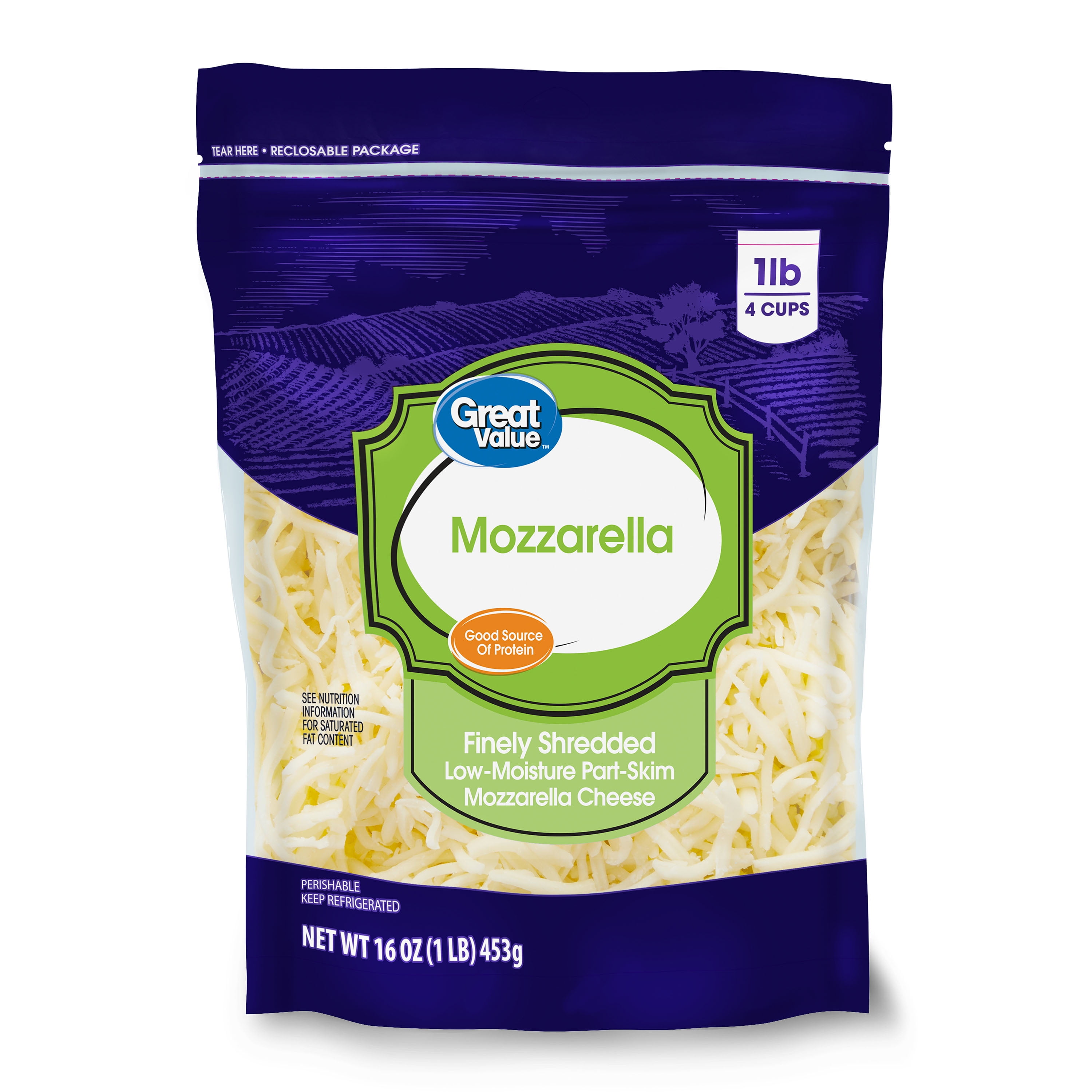


Reduced Fat Low-Moisture Part-Skim Mozzarella Cheese
Analysis updated September 2026 · How Scout scores
At a glance
Summary
This cheese product is moderately processed and includes a synthetic additive, natamycin, which is used as a mold inhibitor. While it contains beneficial ingredients like pasteurized part-skim milk, the presence of preservatives and anti-caking agents indicates a higher level of processing. These factors, along with the reduced fat content, influence its overall health rating.
Key ingredients 8
Pasteurized part-skim milkGood
A primary ingredient in cheese, providing essential nutrients like calcium and protein. The pasteurization process ensures safety by eliminating harmful bacteria. Part-skim milk reduces fat content while maintaining nutritional benefits.
Benefits
Rich in calcium and protein, supporting bone health and muscle maintenance.
Cheese cultureGood
Beneficial ingredient — whole-food or functional value in this product class.
Benefits
Facilitates the fermentation process, enhancing flavor and texture in cheese.
SaltNeutral
Used as a preservative and flavor enhancer in cheese. Regular table salt provides sodium but lacks trace minerals found in unrefined salts. Excessive consumption can lead to health issues like hypertension.
Risks
High sodium intake may contribute to hypertension and cardiovascular issues.
Benefits
Enhances flavor and acts as a preservative in cheese.
EnzymesNeutral
Used in cheese making to coagulate milk, forming curds. Enzymes are essential for cheese production but do not provide direct nutritional benefits. They are generally safe and widely used in dairy processing.
Benefits
Crucial for the cheese-making process, aiding in milk coagulation.
Calcium palmitateNeutral
Used as a firming agent in cheese, contributing to texture. It is a calcium salt of palmitic acid, commonly used in food processing. Provides no significant nutritional benefits but aids in product stability.
Benefits
Helps maintain cheese texture and stability.
Potato starchNeutral
Used as an anti-caking agent to prevent clumping in shredded cheese. It is a natural carbohydrate derived from potatoes. Provides no significant nutritional benefits but improves product handling.
Benefits
Prevents clumping, ensuring smooth texture in shredded cheese.
Tapioca dextrinNeutral
Serves as an anti-caking agent, derived from tapioca starch. It is used to improve the texture and flow of shredded cheese. Provides no significant nutritional benefits but enhances product usability.
Benefits
Improves texture and prevents clumping in shredded cheese.
NatamycinBad
A mold inhibitor used to extend shelf life of cheese. While effective in preventing spoilage, it is a synthetic additive. Overuse of preservatives can lead to concerns about long-term health effects.
Risks
Potential concerns about long-term health effects with excessive use of synthetic preservatives.
Benefits
Prevents mold growth, extending the shelf life of cheese.
Processing
Processed Foods
Get the full breakdown in the Scout appTake Scout shopping
Scan any product to see lab results, healthy alternatives, and your personalized analysis.
Download on theApp Store GET IT ONGoogle Play