
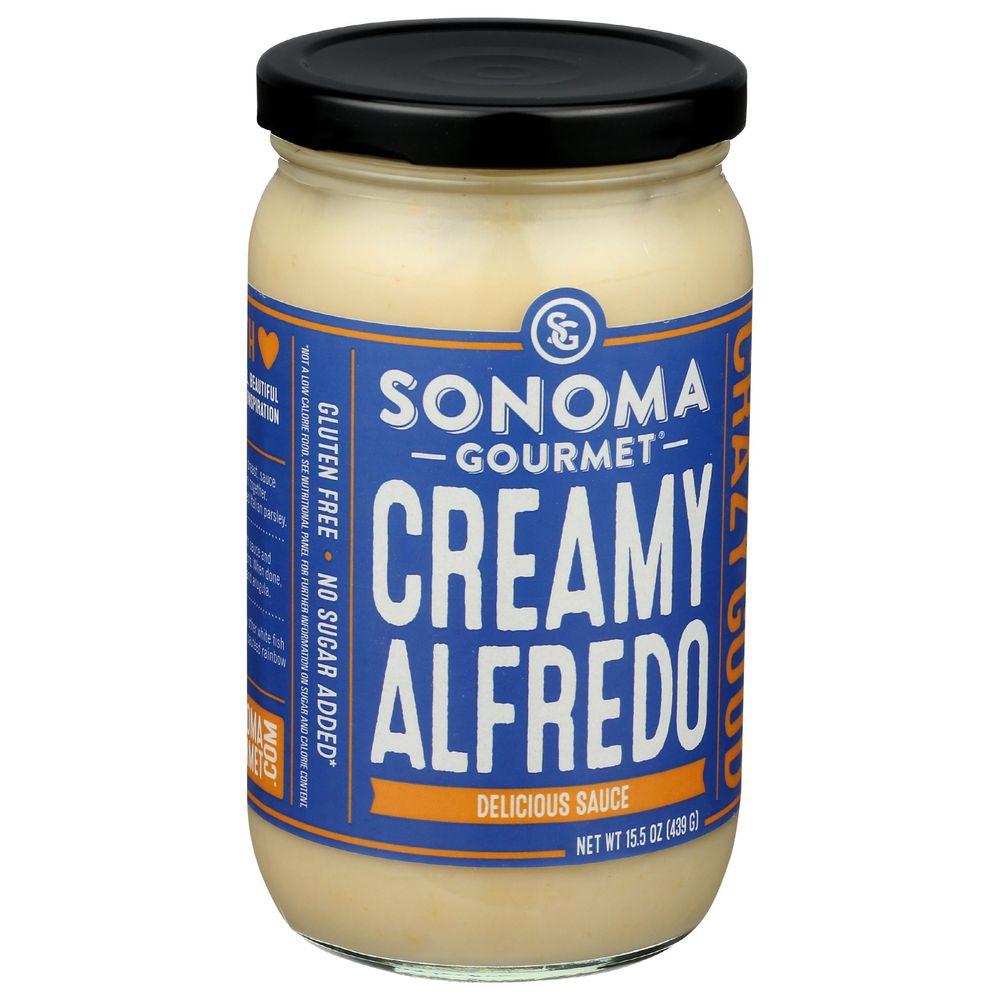


Sonoma Gourmet 375406 Creamy Alfredo Pasta Sauce, 15.5 oz
Analysis updated August 2026 · How Scout scores
At a glance
Summary
This pasta sauce contains beneficial ingredients like cream, cultured buttermilk, and aged cheeses, which provide quality fats and proteins. However, the presence of sunflower oil, which is high in omega-6 fatty acids, and the use of natural flavors, which are highly processed, detract from its overall healthiness. The product's processing level also limits its potential score, despite the inclusion of some minimally processed ingredients.
Key ingredients 11
CreamGood
Cream is a source of high-quality saturated fats and provides a rich texture. It is minimally processed and can be part of a balanced diet. The fat content supports the absorption of fat-soluble vitamins.
Risks
Excessive consumption may contribute to high cholesterol levels due to saturated fat content.
Benefits
Provides a source of energy and supports the absorption of fat-soluble vitamins like A, D, E, and K.
Cultured ButtermilkGood
Cultured buttermilk is a fermented dairy product that can aid digestion. It contains probiotics that support gut health. The fermentation process enhances nutrient absorption.
Risks
May cause issues for individuals with lactose intolerance or dairy allergies.
Benefits
Rich in probiotics that promote a healthy gut microbiome and improve digestion.
Parmesan and Romano CheesesGood
These cheeses are rich in calcium and protein, supporting bone health. They are aged, which enhances flavor and reduces lactose content. The aging process also increases the concentration of beneficial compounds.
Risks
High sodium content may be a concern for individuals with hypertension.
Benefits
Provides essential nutrients like calcium and protein, beneficial for bone health and muscle maintenance.
GarlicGood
Garlic is known for its potential health benefits, including antimicrobial and anti-inflammatory properties. It contains allicin, which may support heart health. Garlic is a natural ingredient with minimal processing.
Risks
May cause digestive discomfort in some individuals when consumed in large amounts.
Benefits
Contains compounds that may support cardiovascular health and boost the immune system.
Sea SaltGood
Sea salt is a natural source of sodium and trace minerals. It is less processed than table salt and can enhance flavor. The presence of trace minerals may provide additional health benefits.
Risks
Excessive sodium intake can lead to hypertension and cardiovascular issues.
Benefits
Provides essential sodium and trace minerals that are important for maintaining electrolyte balance.
Rice StarchNeutral
Rice starch is used as a thickening agent and is generally considered safe. It is a refined carbohydrate with minimal nutritional value. Its primary role is to improve texture and consistency in food products.
See more about Rice Starch →Onion PowderNeutral
Onion powder is a dehydrated form of onion used for flavoring. It retains some of the nutritional properties of fresh onions but in reduced amounts. Its primary function is to enhance taste without significant nutritional impact.
See more about Onion Powder →Citric AcidNeutral
Citric acid is a common food additive used as a preservative and flavor enhancer. It is naturally found in citrus fruits but is often industrially produced for food use. It helps maintain freshness and stability in food products.
See more about Citric Acid →Xanthan GumNeutral
Xanthan gum is a polysaccharide used as a thickening and stabilizing agent. It is produced through fermentation and is widely used in food processing. It improves texture and consistency in various food products.
Risks
May cause digestive issues in some individuals when consumed in large amounts.
Natural FlavorBad
Natural flavors are often highly processed and can contain a variety of chemical compounds. They are used to enhance taste but provide no nutritional value. The lack of transparency in their composition can be concerning for consumers.
Risks
Potential for undisclosed allergens and additives that may cause sensitivities.
Sunflower OilVery Bad
Sunflower oil is high in omega-6 fatty acids, which can promote inflammation if consumed in excess. It is often extracted using high heat and chemicals, which can degrade its nutritional quality. The high omega-6 content can disrupt the omega-3 to omega-6 balance in the diet.
Risks
High omega-6 content may promote inflammation and increase the risk of chronic diseases when consumed in excess.
Processing
Processed Foods
Get the full breakdown in the Scout appTake Scout shopping
Scan any product to see lab results, healthy alternatives, and your personalized analysis.
Download on theApp Store GET IT ONGoogle Play