
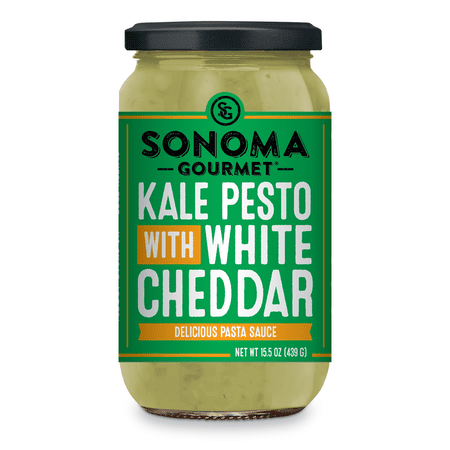


Sonoma Gourmet Kale Pesto with White Cheddar - 15.5 oz
Analysis updated August 2026 · How Scout scores
At a glance
Summary
This product contains beneficial ingredients like kale, cream, and cultured buttermilk, which contribute to its nutritional value. However, the presence of sunflower oil, a seed oil high in omega-6 fatty acids, and the use of 'natural flavor' detract from its overall healthiness. The product is moderately processed, which limits its score despite the presence of some high-quality ingredients.
Key ingredients 14
KaleVery Good
Kale is a nutrient-dense leafy green rich in vitamins A, C, and K. It provides antioxidants and fiber, supporting overall health. As a whole food, it contributes to a balanced diet.
Benefits
High in antioxidants and fiber, promoting heart health and aiding digestion.
Organic vegetable stockGood
Organic vegetable stock is a natural source of flavor and nutrients. It is made from organic vegetables, which are free from synthetic pesticides and fertilizers. This ingredient enhances the nutritional profile of the product.
Benefits
Provides a base of vitamins and minerals from organic vegetables, contributing to overall health.
CreamGood
Cream is a source of high-quality fats and fat-soluble vitamins. It is minimally processed and provides a rich texture and flavor. The presence of cream indicates a focus on traditional, whole-food ingredients.
Risks
May contribute to high calorie intake if consumed in excess.
Benefits
Rich in fat-soluble vitamins like A and D, supporting bone health and immune function.
Cultured buttermilkGood
Cultured buttermilk is a fermented dairy product that can aid digestion. It contains probiotics that support gut health. The fermentation process enhances nutrient absorption.
Risks
May cause issues for individuals with lactose intolerance.
Benefits
Contains probiotics that promote a healthy gut microbiome and improve digestion.
White cheddar cheeseGood
White cheddar cheese is a source of high-quality protein and calcium. It is made from pasteurized milk and provides essential nutrients. The cheese culture and enzymes used in its production enhance its flavor and digestibility.
Risks
May contribute to high sodium intake if consumed in large quantities.
Benefits
Rich in calcium and protein, supporting bone health and muscle function.
GarlicGood
Garlic is known for its potential health benefits, including antimicrobial and anti-inflammatory properties. It is a whole food ingredient that enhances flavor naturally. Garlic contains compounds like allicin that may support heart health.
Benefits
Contains allicin, which may support cardiovascular health and immune function.
Sea saltGood
Sea salt is a natural source of sodium and trace minerals. It is less processed than table salt and can enhance the flavor of foods. The presence of trace minerals can provide additional health benefits.
Risks
Excessive consumption may lead to high blood pressure.
Benefits
Provides essential sodium and trace minerals, supporting electrolyte balance.
Rice starchNeutral
Rice starch is used as a thickening agent and is generally considered safe. It is a refined carbohydrate with minimal nutritional value. Its primary role is to improve texture and consistency.
See more about Rice starch →Dried shallotsNeutral
Dried shallots add flavor and aroma to dishes. They are a natural ingredient with minimal processing. While they enhance taste, they do not significantly contribute to nutritional value.
Benefits
Enhances flavor without adding significant calories or fat.
Onion powderNeutral
Onion powder is a dehydrated form of onion used for flavoring. It is a convenient way to add onion flavor without moisture. While it provides some flavor, it lacks the nutritional benefits of fresh onions.
Benefits
Adds flavor without significant calories or fat.
Citric acidNeutral
Citric acid is a natural preservative and flavor enhancer. It is commonly used to maintain freshness and prevent spoilage. While it is generally recognized as safe, it does not provide nutritional benefits.
Benefits
Helps preserve freshness and enhance flavor.
Xanthan gumNeutral
Xanthan gum is a common food additive used as a thickener and stabilizer. It is produced through fermentation and is generally considered safe. While it improves texture, it does not offer nutritional benefits.
Risks
May cause digestive issues in sensitive individuals.
Benefits
Improves texture and stability of food products.
Natural flavorBad
Natural flavor is a vague term that can include a variety of substances. It lacks transparency and may contain additives or preservatives. The use of natural flavors can mask the true quality of the ingredients.
Risks
Potential for hidden additives or allergens.
Sunflower oilVery Bad
Sunflower oil is a seed oil high in omega-6 fatty acids, which can promote inflammation. It is often highly processed, which may reduce its nutritional value. The high omega-6 content can disrupt the omega-3 to omega-6 balance in the diet.
Risks
High omega-6 content may promote inflammation when consumed in excess.
Processing
Processed Foods
Get the full breakdown in the Scout appTake Scout shopping
Scan any product to see lab results, healthy alternatives, and your personalized analysis.
Download on theApp Store GET IT ONGoogle Play