
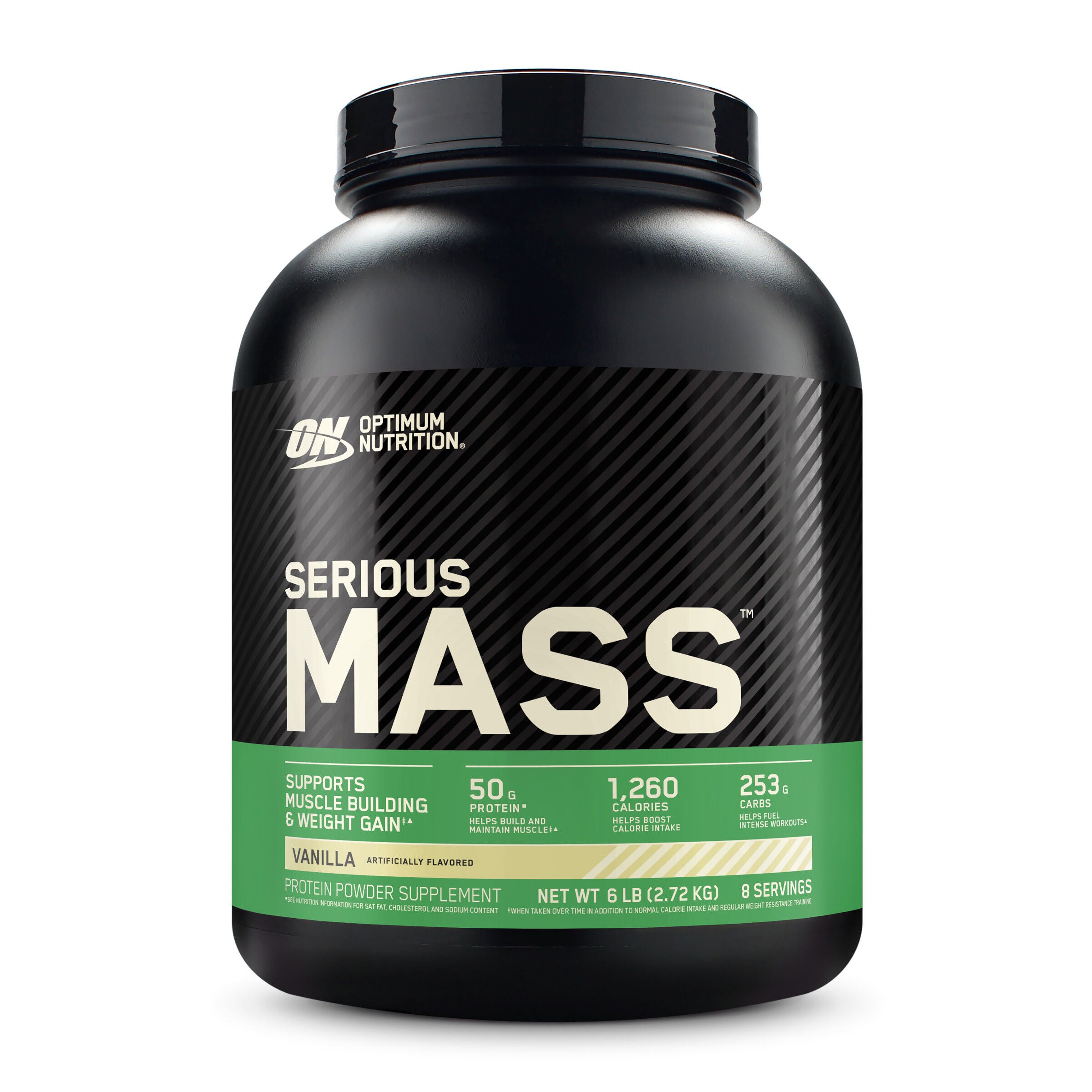
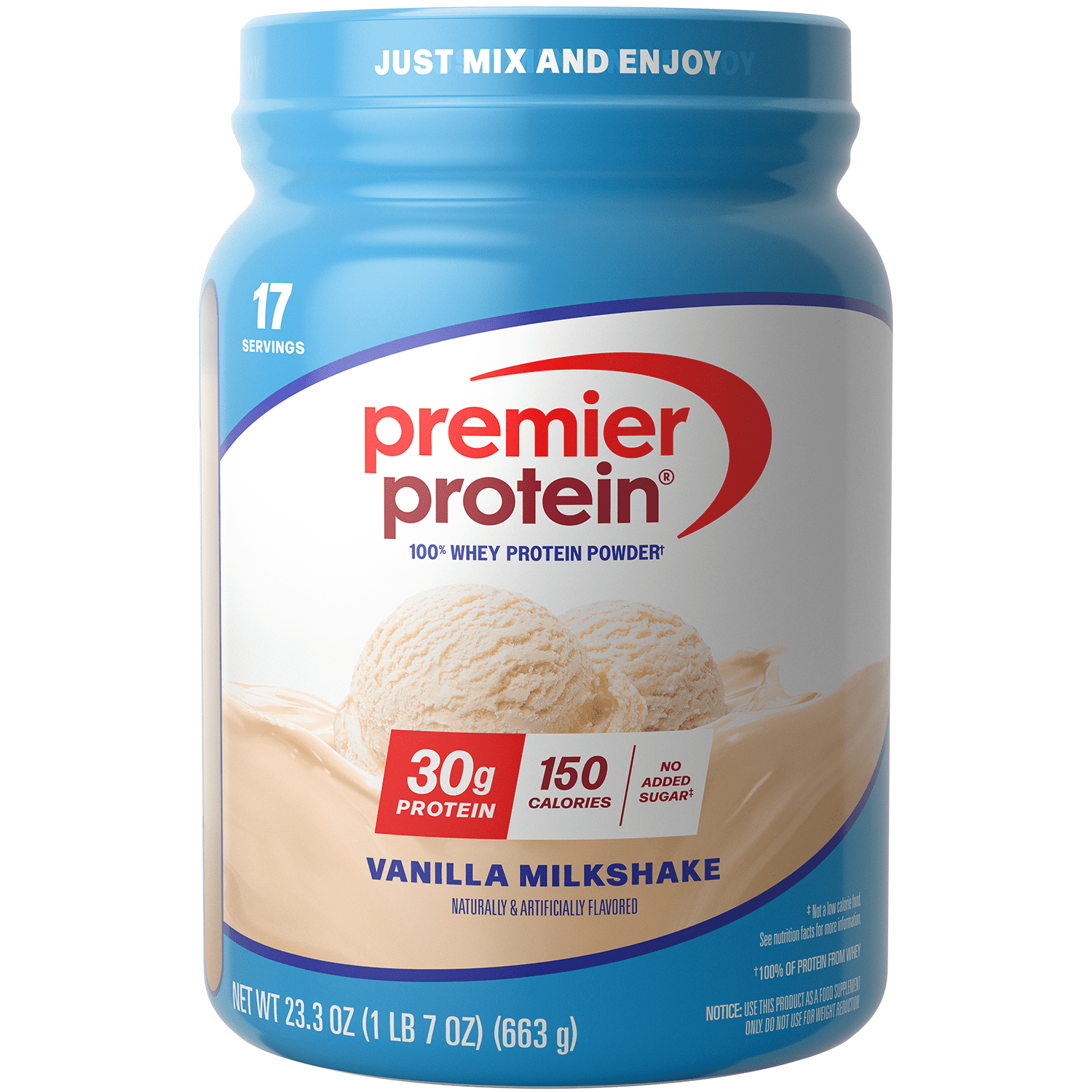




Optimum Nutrition Serious Mass Protein Powder, Vanilla, 50g Protein, 12lb, 192oz
Analysis updated July 2026 · How Scout scores
At a glance
Summary
This protein powder contains a mix of beneficial vitamins and amino acids, which support overall health and muscle recovery. However, the presence of maltodextrin, a high-glycemic carbohydrate, is a concern due to its potential to cause rapid blood sugar spikes. The product also includes multiple protein sources and creatine, but the use of maltodextrin as a filler and the overall level of processing reduce its score.
Key ingredients 19
Egg WhitesVery Good
Egg whites are a high-quality protein source low in fat and cholesterol. They provide essential amino acids necessary for muscle repair and growth. They are easily digestible and support overall protein intake.
Benefits
Supports muscle repair and growth with high-quality protein.
Vitamin AGood
Vitamin A is essential for maintaining healthy vision, immune function, and skin health. It is a fat-soluble vitamin that plays a critical role in cell growth and differentiation. Adequate intake supports overall health and reduces the risk of certain diseases.
Risks
Excessive intake can lead to toxicity, causing liver damage and other health issues.
Benefits
Supports vision, immune function, and skin health.
Vitamin CGood
Vitamin C is a powerful antioxidant that helps protect cells from damage and supports the immune system. It is water-soluble and must be consumed regularly as the body does not store it. It also aids in collagen synthesis, promoting skin and joint health.
Risks
High doses may cause gastrointestinal discomfort.
Benefits
Boosts immune function and supports skin and joint health.
Vitamin DGood
Vitamin D is crucial for calcium absorption and bone health. It is fat-soluble and can be synthesized by the body when exposed to sunlight. Adequate levels are associated with a reduced risk of certain chronic diseases.
Risks
Excessive intake can lead to hypercalcemia, causing nausea and weakness.
Benefits
Supports bone health and immune function.
Vitamin EGood
Vitamin E acts as an antioxidant, protecting cells from oxidative stress. It is fat-soluble and plays a role in immune function and skin health. Adequate intake is important for preventing oxidative damage.
Risks
High doses may interfere with blood clotting.
Benefits
Protects cells from oxidative damage and supports immune health.
ThiaminGood
Thiamin, or vitamin B1, is essential for energy metabolism and nerve function. It is water-soluble and must be consumed regularly. It helps convert carbohydrates into energy, supporting overall metabolic health.
Benefits
Supports energy metabolism and nerve function.
RiboflavinGood
Riboflavin, or vitamin B2, is important for energy production and cellular function. It is water-soluble and helps in the metabolism of fats, drugs, and steroids. Adequate intake supports overall health and energy levels.
Benefits
Supports energy production and cellular function.
NiacinGood
Niacin, or vitamin B3, is vital for energy metabolism and DNA repair. It is water-soluble and supports skin health and nervous system function. Adequate intake is important for maintaining overall health.
Risks
High doses can cause skin flushing and liver damage.
Benefits
Supports energy metabolism and skin health.
Vitamin B6Good
Vitamin B6 is essential for protein metabolism and cognitive development. It is water-soluble and plays a role in neurotransmitter synthesis. Adequate intake supports brain health and immune function.
Risks
Excessive intake can lead to nerve damage.
Benefits
Supports protein metabolism and cognitive health.
BiotinGood
Biotin is important for carbohydrate, fat, and protein metabolism. It is water-soluble and supports healthy hair, skin, and nails. Adequate intake is essential for maintaining metabolic health.
Benefits
Supports metabolism and promotes healthy hair, skin, and nails.
MolybdenumGood
Molybdenum is a trace mineral important for enzyme function. It helps in the metabolism of sulfur-containing amino acids. Adequate intake supports overall metabolic health.
Benefits
Supports enzyme function and amino acid metabolism.
Amino AcidsGood
Amino acids are the building blocks of proteins, essential for muscle repair and growth. They play a critical role in various physiological processes. Adequate intake supports muscle health and recovery.
Benefits
Supports muscle repair and growth.
Whey Protein ConcentrateGood
Whey protein concentrate is a high-quality protein source rich in essential amino acids. It supports muscle growth and recovery. It is derived from milk and is considered a complete protein.
Risks
May cause digestive issues in lactose-intolerant individuals.
Benefits
Supports muscle growth and recovery.
Calcium CaseinateGood
Calcium caseinate is a slow-digesting protein that provides a sustained release of amino acids. It is beneficial for muscle maintenance and growth. It is derived from milk and supports prolonged protein synthesis.
Risks
May cause digestive issues in lactose-intolerant individuals.
Benefits
Provides sustained amino acid release for muscle maintenance.
Sweet WheyGood
Sweet whey is a byproduct of cheese production, rich in lactose and protein. It provides essential amino acids and supports muscle recovery. It is a natural source of protein and carbohydrates.
Risks
May cause digestive issues in lactose-intolerant individuals.
Benefits
Supports muscle recovery and provides essential amino acids.
Creatine MonohydrateGood
Creatine monohydrate is a well-researched supplement that enhances muscle strength and performance. It increases phosphocreatine stores in muscles, improving energy production during high-intensity exercise. It is widely used for its performance-enhancing benefits.
Benefits
Enhances muscle strength and performance.
GlutamineGood
Glutamine is an amino acid that supports immune function and gut health. It is important for muscle recovery and reducing muscle soreness. It is beneficial for athletes and individuals under physical stress.
Benefits
Supports immune function and muscle recovery.
Folic AcidNeutral
Standard formulation ingredient — neither beneficial nor harmful at typical use.
Risks
High doses may mask vitamin B12 deficiency symptoms.
Benefits
Supports DNA synthesis and cell division.
MaltodextrinBad
Maltodextrin is a high-glycemic carbohydrate used as a filler and thickener. It can cause rapid spikes in blood sugar levels. It is often used in processed foods and may contribute to weight gain if consumed in excess.
Risks
May cause rapid blood sugar spikes and contribute to weight gain.
Benefits
Provides quick energy but lacks significant nutritional benefits.
Processing
Processed Foods
Get the full breakdown in the Scout appTake Scout shopping
Scan any product to see lab results, healthy alternatives, and your personalized analysis.
Download on theApp Store GET IT ONGoogle PlayAmazon pricing & content
Amazon price as of . Product prices and availability are accurate as of the date/time indicated and are subject to change. Any price and availability information displayed on Amazon.com at the time of purchase will apply to the purchase of this product.
CERTAIN CONTENT THAT APPEARS ON THIS SITE COMES FROM AMAZON. THIS CONTENT IS PROVIDED “AS IS” AND IS SUBJECT TO CHANGE OR REMOVAL AT ANY TIME.