
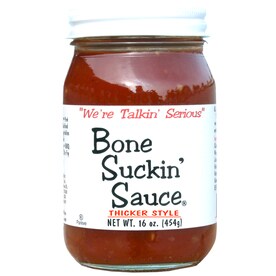


THICKER STYLE SAUCE, THICKER STYLE
Analysis updated September 2026 · How Scout scores
At a glance
Summary
This sauce contains beneficial ingredients like tomato puree, apple cider vinegar, and organic yellow mustard, which contribute to its nutritional value. However, it is classified as ultra-processed due to the presence of xanthan gum and natural smoke flavor, which are processed additives. The high sugar content from honey and molasses also impacts its healthiness, despite the absence of seed oils or artificial sweeteners.
Key ingredients 15
Tomato pureeGood
Tomato puree is a concentrated source of vitamins and antioxidants, particularly lycopene. It is minimally processed, retaining much of the nutritional value of fresh tomatoes. The puree provides a rich flavor base for sauces.
Benefits
Rich in lycopene, which may reduce the risk of certain chronic diseases. Provides vitamins A and C, supporting immune function and skin health.
HoneyGood
Traditional whole-food sweetener with trace enzymes and antioxidants.
Risks
Excessive consumption can contribute to high sugar intake and related health issues.
Benefits
Contains antioxidants and has antibacterial properties. May soothe sore throats and support wound healing.
Apple cider vinegarGood
Apple cider vinegar is known for its potential health benefits, including aiding digestion and supporting blood sugar control. It is made through a fermentation process that retains beneficial acetic acid. The vinegar adds a tangy flavor to foods.
Risks
Excessive consumption may lead to digestive discomfort or tooth enamel erosion.
Benefits
May help improve digestion and support healthy blood sugar levels. Contains acetic acid, which has antimicrobial properties.
Organic yellow mustardGood
Organic yellow mustard is made from mustard seeds and contains beneficial compounds like glucosinolates. It is minimally processed and free from artificial additives. The mustard adds flavor and potential health benefits to dishes.
Benefits
Contains antioxidants and may have anti-inflammatory properties. Provides a tangy flavor with minimal calories.
SpicesGood
Whole-food seasonings, antioxidant-bearing.
Benefits
May contain antioxidants and anti-inflammatory compounds. Enhances the flavor profile of foods.
PaprikaGood
Beneficial ingredient — whole-food or functional value in this product class.
Benefits
Contains antioxidants like carotenoids. Adds flavor and color to foods.
MolassesNeutral
Molasses is a byproduct of sugar refining, containing some vitamins and minerals. It is less refined than white sugar, providing trace nutrients. However, it is still a sugar source and should be used sparingly.
Risks
High in sugar, which can contribute to weight gain and metabolic issues if consumed in excess.
Benefits
Contains small amounts of minerals like iron, calcium, and magnesium. Provides a rich, complex flavor to foods.
SaltNeutral
Salt is a common seasoning that enhances flavor but should be consumed in moderation. It is a refined product, lacking the trace minerals found in unrefined salts. Excessive intake can lead to health issues.
Risks
High sodium intake is linked to increased blood pressure and cardiovascular risk.
Benefits
Essential for maintaining fluid balance and nerve function. Enhances the flavor of foods.
Prepared horseradishNeutral
Prepared horseradish is made from grated horseradish root and vinegar, providing a pungent flavor. It is minimally processed, retaining some of the root's natural compounds. The ingredient adds a spicy kick to foods.
Risks
May cause digestive discomfort in sensitive individuals if consumed in large amounts.
Benefits
Contains glucosinolates, which may have antioxidant properties. Adds flavor with minimal calories.
Dried onionNeutral
Dried onion is a dehydrated form of onion, retaining much of its flavor and some nutrients. It is a convenient way to add onion flavor without the moisture of fresh onions. The drying process preserves the onion for long-term storage.
Benefits
Provides flavor and some antioxidants. Convenient for use in various recipes.
Lemon juice concentrateNeutral
Lemon juice concentrate is a concentrated form of lemon juice, providing acidity and flavor. It is processed to remove water, making it shelf-stable. The concentrate adds a citrusy note to foods.
Benefits
Contains vitamin C and adds a refreshing flavor to dishes. May enhance the absorption of iron from plant-based foods.
Xanthan gumNeutral
Fermentation-derived thickener, well tolerated at food-use levels.
Risks
May cause bloating or gas in sensitive individuals. Derived from potential allergenic sources like corn or soy.
Benefits
Provides texture and stability to sauces and dressings. Useful in gluten-free cooking as a thickener.
Dried garlicNeutral
Dried garlic is a dehydrated form of garlic, retaining much of its flavor and some nutrients. It is a convenient way to add garlic flavor without the moisture of fresh garlic. The drying process preserves the garlic for long-term storage.
Benefits
Provides flavor and some antioxidants. Convenient for use in various recipes.
Natural smoke flavorNeutral
Natural smoke flavor is used to impart a smoky taste to foods. It is created by capturing smoke from burning wood and condensing it into a liquid. While it adds flavor, it is a processed ingredient.
Benefits
Adds a smoky flavor to foods without the need for traditional smoking methods.
Red pepperNeutral
Red pepper is used to add heat and flavor to foods. It is minimally processed and can contain beneficial compounds like capsaicin. The spice adds a spicy kick to dishes.
Risks
May cause digestive discomfort in sensitive individuals if consumed in large amounts.
Benefits
Contains capsaicin, which may have metabolism-boosting properties. Adds flavor and heat to foods.
Processing
Ultra-Processed Foods
Get the full breakdown in the Scout appTake Scout shopping
Scan any product to see lab results, healthy alternatives, and your personalized analysis.
Download on theApp Store GET IT ONGoogle Play