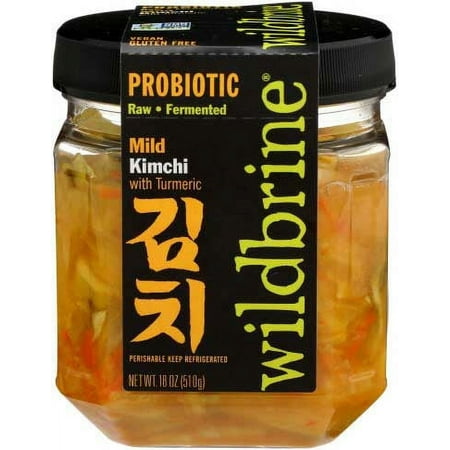
Kimchi

At a glance
Summary
This kimchi contains beneficial ingredients like napa cabbage, radish, and garlic, which provide vitamins, fiber, and probiotics that support gut health. However, the presence of monosodium glutamate (MSG) and xanthan gum, along with its classification as an ultra-processed food, limits its score. Despite its nutritious components, the processing level and additives prevent it from achieving a higher rating.
Key ingredients 15
Napa cabbageGood
Napa cabbage is a low-calorie vegetable rich in vitamins and fiber. It is a key ingredient in kimchi, providing essential nutrients and aiding digestion. Fermentation enhances its probiotic content, supporting gut health.
Benefits
Rich in vitamins C and K, and fiber, which support immune function and digestive health.
RadishGood
Radish is a low-calorie root vegetable rich in vitamins and minerals. It adds crunch and nutritional value to kimchi. Its natural compounds may support liver function and digestion.
Benefits
Contains vitamin C and antioxidants that may support immune health and reduce inflammation.
Red pepper powderGood
Red pepper powder provides heat and flavor, and is rich in capsaicin. Capsaicin has been studied for its metabolism-boosting and anti-inflammatory properties. It also contributes to the vibrant color of kimchi.
Risks
May cause irritation in sensitive individuals or when consumed in large amounts.
Benefits
Contains capsaicin, which may aid in metabolism and provide anti-inflammatory benefits.
GarlicGood
Garlic is known for its strong flavor and health benefits, including antimicrobial and cardiovascular support. It is a traditional ingredient in kimchi, enhancing both taste and nutritional profile.
Benefits
Contains allicin, which may support heart health and provide antimicrobial effects.
Green onionGood
Green onion adds flavor and nutrients, including vitamins A and C. It is a common ingredient in kimchi, contributing to its aromatic profile. Its antioxidants may support immune health.
Benefits
Rich in vitamins and antioxidants that support immune function and overall health.
OnionGood
Onion provides flavor and nutrients, including vitamin C and antioxidants. It is a staple in many fermented foods, enhancing both taste and health benefits. Its compounds may support heart health.
Benefits
Contains antioxidants and compounds that may support cardiovascular health.
Sea saltGood
Sea salt is a natural source of sodium and trace minerals. It is used in kimchi for flavor and preservation. Unlike refined salt, it retains some beneficial minerals.
Risks
Excessive sodium intake can lead to health issues such as hypertension.
Benefits
Contains trace minerals that may support overall health.
GingerGood
Ginger is known for its anti-inflammatory and digestive benefits. It adds a spicy, aromatic flavor to kimchi. Its bioactive compounds may support immune health and reduce nausea.
Benefits
Contains gingerol, which has anti-inflammatory and antioxidant effects.
Kimchi culturesGood
Kimchi cultures are beneficial bacteria used for fermentation. They enhance the probiotic content of kimchi, supporting gut health. Fermentation also improves the bioavailability of nutrients.
Benefits
Rich in probiotics that support digestive health and enhance nutrient absorption.
SaltNeutral
Salt is used for flavor and preservation in kimchi. It is essential for the fermentation process, which develops the characteristic taste of kimchi. However, excessive salt intake can lead to health issues.
Risks
High sodium intake can increase blood pressure and risk of cardiovascular diseases.
Benefits
Essential for fermentation and flavor enhancement in kimchi.
SorbitolNeutral
Sorbitol is a sugar alcohol used as a sweetener and humectant. It is less caloric than sugar and does not spike blood sugar levels. However, excessive consumption can cause digestive discomfort.
Risks
May cause gastrointestinal issues like bloating and diarrhea if consumed in large amounts.
Benefits
Provides sweetness with fewer calories than sugar and has a lower glycemic index.
Fish sauceNeutral
Fish sauce adds umami flavor and is a traditional ingredient in kimchi. It is made from fermented fish and salt, contributing to the savory taste. However, it is high in sodium.
Risks
High sodium content may contribute to increased blood pressure if consumed in excess.
Benefits
Provides umami flavor and is a source of essential amino acids.
Calcium lactateNeutral
Calcium lactate is used as a firming agent and source of calcium. It is generally recognized as safe and is used in various food products. It does not significantly alter the nutritional profile of kimchi.
Benefits
Provides a source of calcium, which is important for bone health.
Xanthan gumNeutral
Xanthan gum is a thickening agent used to improve texture. It is a polysaccharide produced by fermentation and is widely used in food products. It is generally considered safe but can cause digestive issues in large amounts.
Risks
May cause digestive discomfort if consumed in large quantities.
Benefits
Improves texture and stability of food products.
Monosodium glutamateBad
Monosodium glutamate (MSG) is used to enhance flavor but is controversial due to potential sensitivity in some individuals. It is a common additive in processed foods. Some people report headaches or other symptoms after consuming MSG.
Risks
May cause adverse reactions in sensitive individuals, such as headaches or nausea.
Benefits
Enhances umami flavor in foods, making them more palatable.
Processing
Ultra-Processed Foods
Get the full breakdown in the Scout appTake Scout shopping
Scan any product to see lab results, healthy alternatives, and your personalized analysis.
Are you bibigo? Fix an error Get the badge Get tested